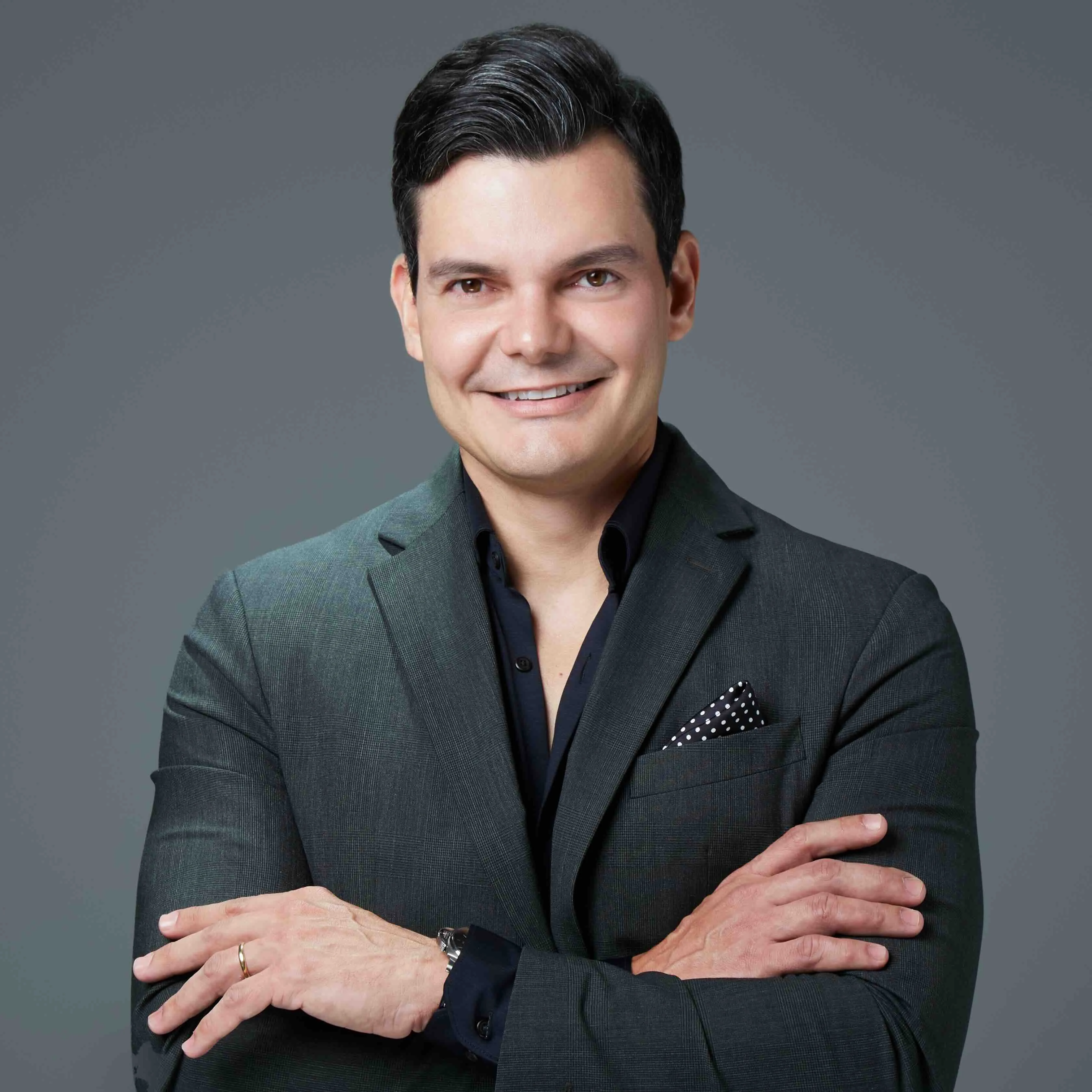
The growing popularity of biostimulators like Sculptra and Radiesse has transformed the modern face. While facial surgery previously focused on dealing with natural sagging, today, the presence of fibrosis induced by these products requires new approaches. This article, with the vision of Dr. Robério Brandão, creator of the Modern Face philosophy, explores how biostimulators impact facial surgery and how to ensure safety and natural results.
The Impact of Biostimulators on Facial Anatomy
Biostimulators are injectable substances that stimulate collagen production, improving skin firmness and volume. Although they offer remarkable aesthetic results, their widespread use has created a new challenge for facial surgeons: fibrosis.
What is Fibrosis and How Does It Affect Surgery?
Fibrosis is the excessive formation of fibrous connective tissue in an organ or tissue, in a reparative process or inflammatory reaction. In the context of biostimulators, repeated injection of these substances can lead to the formation of dense areas of fibrosis, especially in the SMAS (Superficial Musculoaponeurotic System), a crucial layer for facial support.
This fibrosis alters normal facial anatomy, making surgical dissection more difficult and increasing the risk of nerve injuries.
Which Biostimulators Cause More Fibrosis?
Although all biostimulators can induce fibrosis, some are known to cause more inflammatory reactions and, consequently, more fibrosis. The main ones are:
Sculptra (Poly-L-Lactic Acid - PLLA): Intensely stimulates collagen production, leading to more pronounced fibrosis in some patients.
Radiesse (Calcium Hydroxyapatite - CaHA): Also induces a significant inflammatory response, resulting in fibrosis, although generally less intense than Sculptra.
| Biostimulator | Fibrosis Level | Estimated Durability |
|---|---|---|
| Sculptra (PLLA) | High | Up to 2 years |
| Radiesse (CaHA) | Moderate | 12-18 months |
| Ellansé (PCL) | Low | 1-4 years |
| Hyaluronic Acid (HA) | Minimal | 6-12 months |
It is important to emphasize that the amount of fibrosis varies from person to person and depends on the application technique, amount of product injected, and individual body response.
The Modern Face Philosophy and Safety First
Faced with this new scenario, Dr. Robério Brandão developed the Modern Face philosophy, a surgical approach prioritizing safety and naturalness of results in patients who have used biostimulators.
Principles of Modern Face
- Systematized Tactile Anatomy: Deep knowledge of facial anatomy, with emphasis on palpation of key structures to guide surgery.
- Direct Vision: Preference for surgical techniques allowing direct visualization of anatomical structures, minimizing risk of injury.
- Superior Access: Surgical approach avoiding the fibrosis area caused by biostimulators, accessing the SMAS (Superficial Musculoaponeurotic System) from above.
- Non-Removal of Submandibular Gland: Preservation of the submandibular gland in neck surgeries, avoiding serious complications.
The Role of Ultrasound in Surgical Planning
Ultrasound has become an indispensable tool in Modern Face surgical planning. It allows:
Mapping the fibrosis area: Identify the location and extent of fibrosis caused by biostimulators.
Planning the incision: Choose the most appropriate incision to avoid the fibrosis area.
Visualizing anatomical structures: Identify the location of vessels and nerves, minimizing the risk of injury.
The Endomidface by Direct Vision Technique
The Endomidface by Direct Vision technique is one of the pillars of Modern Face. It offers a minimally invasive approach for midface rejuvenation, with natural and long-lasting results.
How Does Endomidface Bypass Fibrosis?
Endomidface by Direct Vision uses a superior access, through an incision in the temporal region, to access the SMAS. This approach allows bypassing the fibrosis area caused by biostimulators, minimizing the risk of nerve injuries.
Advantages of Direct Vision
Unlike traditional endoscopic techniques, Endomidface by Direct Vision does not use cameras or complex equipment. This allows the surgeon to:
Directly visualize anatomical structures: Providing greater precision and control during surgery.
Feel tissue texture: Palpation of structures allows identifying fibrosis areas and navigating safely.
Adapt technique to individual patient needs: Direct Vision allows the surgeon to adjust the technique in real-time, ensuring personalized and natural results.
Deep Neck in Modern Face: Harmonization of Cervical Contour
Deep Neck is a surgical technique aimed at improving neck contour, removing excess fat and repositioning region muscles. In Modern Face, Deep Neck is often combined with Endomidface to provide complete and harmonious facial rejuvenation.
What is Deep Neck and How Does It Adapt to Modern Face?
Deep Neck in Modern Face prioritizes safety and naturalness of results. Unlike traditional techniques, Modern Face avoids submandibular gland removal, minimizing complication risk.
Instead, Modern Face focuses on:
Liposuction: Removal of excess superficial neck fat.
Platysmaplasty: Repositioning and suturing of platysma muscle, which helps define neck contour.
Digastric Shaving: Reduction of digastric muscle volume, which contributes to chin projection.
Results and Benefits of Deep Neck in Modern Face
More defined neck contour: Improves harmony between face and neck.
Double chin reduction: Eliminates excess fat under the chin.
Cervical region rejuvenation: Provides a more youthful and elegant appearance.
Frequently Asked Questions about Biostimulators and Facial Surgery
Is it possible to reverse the effects of biostimulators?
It is not possible to completely reverse the effects of biostimulators, but it is possible to bypass the fibrosis caused by them during surgery.
What precautions should I take before having a facelift if I have already used biostimulators?
Inform your surgeon about previous use of biostimulators and undergo imaging exams, such as ultrasound, to map the fibrosis area.
Is Modern Face indicated for all patients who have used biostimulators?
Modern Face is an excellent option for many patients who have used biostimulators, but the indication needs to be evaluated individually by the surgeon.
Relevant Anatomy for This Procedure
Anatomical knowledge is fundamental to understand how results are achieved safely and effectively.
Key Structures
The face is composed of layers that must be understood together:
- Skin: the most superficial layer, reflecting aging through wrinkles and sagging
- Subcutaneous tissue: contains fat that redistributes with age
- SMAS (Superficial Musculo-Aponeurotic System): fundamental layer connecting muscles to skin
- Facial muscles: responsible for expression and dynamic support
- Retaining ligaments: anchor skin to the facial skeleton
- Facial nerves: control movement and sensation
Surgical Planes
In the Modern Face philosophy, we work in specific planes:
- Superficial plane: above the SMAS, used in less invasive procedures
- Deep plane (sub-SMAS): below the SMAS, allows for longer-lasting results
- Subcutaneous plane: used for fat grafting and fat treatment
Why This Matters
Understanding anatomy explains:
- Why certain procedures last longer than others
- How natural results are achieved
- Why the surgeon’s experience is crucial
- How complications can be avoided
“Respect for anatomy is what separates a natural result from an artificial one. In Modern Face, every structure has its role and must be preserved or repositioned with precision.” — Dr. Robério Brandão
Comparison: Techniques and Approaches
Understanding differences between available techniques helps in informed decision-making.
Overview of Approaches
| Aspect | Traditional Techniques | Modern Face |
|---|---|---|
| Surgical plane | Generally superficial | Deep (sub-SMAS) |
| Traction vector | Predominantly lateral | Vertically anatomically correct |
| Incisions | Extensive, multiple areas | Minimal, strategically positioned |
| Recovery | 2-4 weeks | 7-14 days on average |
| Durability | 5-7 years | 10-15 years |
| Naturalness | Risk of “stretched” look | Preserves natural expression |
Advantages of the Modern Approach
The Modern Face technique offers specific benefits:
- More natural results: vertical vector respects facial anatomy
- Shorter recovery time: minimally invasive techniques speed healing
- Superior durability: work in the deep plane offers longer-lasting support
- Less visible scars: strategic and smaller incisions
- Preservation of expressiveness: face remains natural and mobile
When Each Technique is Indicated
Technique choice depends on individual factors:
- Degree of aging: more advanced cases may require more comprehensive approaches
- Areas of concern: midface, lower face, or neck have specific techniques
- Patient expectations: balance between desired result and acceptable recovery
- History of previous procedures: revisions require special planning
Detailed Post-Operative Care
The procedure’s success depends on both the surgical technique and post-operative care.
First Days: Critical Phase
In this phase, small precautions make a big difference:
- Elevated rest: keep head elevated at 30-45° even when sleeping
- Cold compresses: apply in the first 48h to reduce edema
- Strict medication: follow exactly the prescribed schedules
- Light diet: prefer soft foods and avoid excessive chewing
- Abundant hydration: water helps with tissue recovery
First Week: Intermediate Care
As healing advances:
- Careful hygiene: clean the area as directed, without rubbing
- Avoid sun exposure: use a hat and sunscreen when going out is necessary
- Gentle facial movements: avoid exaggerated expressions
- Adequate sleep: the body recovers mainly during sleep
- Avoid alcohol and tobacco: both impair healing
Weeks 2-4: Gradual Return
Return to activities should be progressive:
- Light activities: short walks are allowed
- Remote work: can be resumed as comfortable
- Light makeup: generally allowed after 2 weeks
- Moderate exercise: only with medical clearance
- Lymphatic drainage: indicated to accelerate recovery
What to Avoid
Throughout the recovery period:
- Direct sun exposure on operated areas
- Intense physical activities before clearance
- Alcohol consumption in the first 2 weeks
- Smoking (ideally stop 4 weeks before and after)
- Non-prescribed anti-inflammatories
- Sudden movements with the face
What to Expect: Recovery Timeline
Recovery is a journey that requires patience and specific care at each phase. Knowing what to expect helps reduce anxiety and optimize results.
First 24-48 Hours
This is the most delicate period. It is normal to experience:
- Moderate to intense edema: swelling is maximum in this period
- Ecchymosis: purple spots may appear and are a natural part of healing
- Manageable discomfort: pain is generally mild to moderate, controlled with prescribed painkillers
- Need for absolute rest: avoid sudden movements and keep head elevated
First Week (Days 3-7)
From the third day, you will start noticing progressive improvements:
- Edema begins to decrease gradually
- Ecchymosis change color (purple → green → yellow)
- Stitches and dressings may be removed as per medical guidance
- Light activities can be resumed with caution
Weeks 2-4
Important transition phase:
- Gradual return to social and professional activities
- Residual edema still present, but less noticeable
- Result begins to define itself, although not yet definitive
- Lymphatic drainage massages may be indicated
Months 1-3
Final result consolidates progressively:
- Tissues settle into their definitive position
- Scars mature and become less visible
- Sensitivity returns gradually to normal
- Final result visible between 3-6 months
“Patience is fundamental. The final result of a facial procedure can only be evaluated after 6 months, when all tissues have already stabilized.” — Dr. Robério Brandão
Conclusion
The presence of biostimulators in the modern face requires facial surgeons to adapt their techniques to guarantee safety and naturalness of results. The Modern Face philosophy, with its emphasis on tactile anatomy, direct vision, and minimally invasive techniques, offers an innovative and effective approach for facial rejuvenation in the era of biostimulators.
When choosing a facial surgeon, make sure they are familiar with the challenges of the modern face and use techniques minimizing complication risk. Modern Face, with its safety and naturalness-focused approach, can be the key to successful and long-lasting facial rejuvenation.
Related Content
- Endomidface by Direct Vision: The Complete Guide
- SMAS Anatomy: Fundamentals for Facial Surgery
- Facelift: The Definitive Guide for Natural Rejuvenation
⚠️ Disclaimer
This content is educational and represents the author’s technical opinion based on documented clinical experience. Surgical decisions should be individualized.
Author: Dr. Robério Brandão, CRM-CE 8596 Last update: October 2024