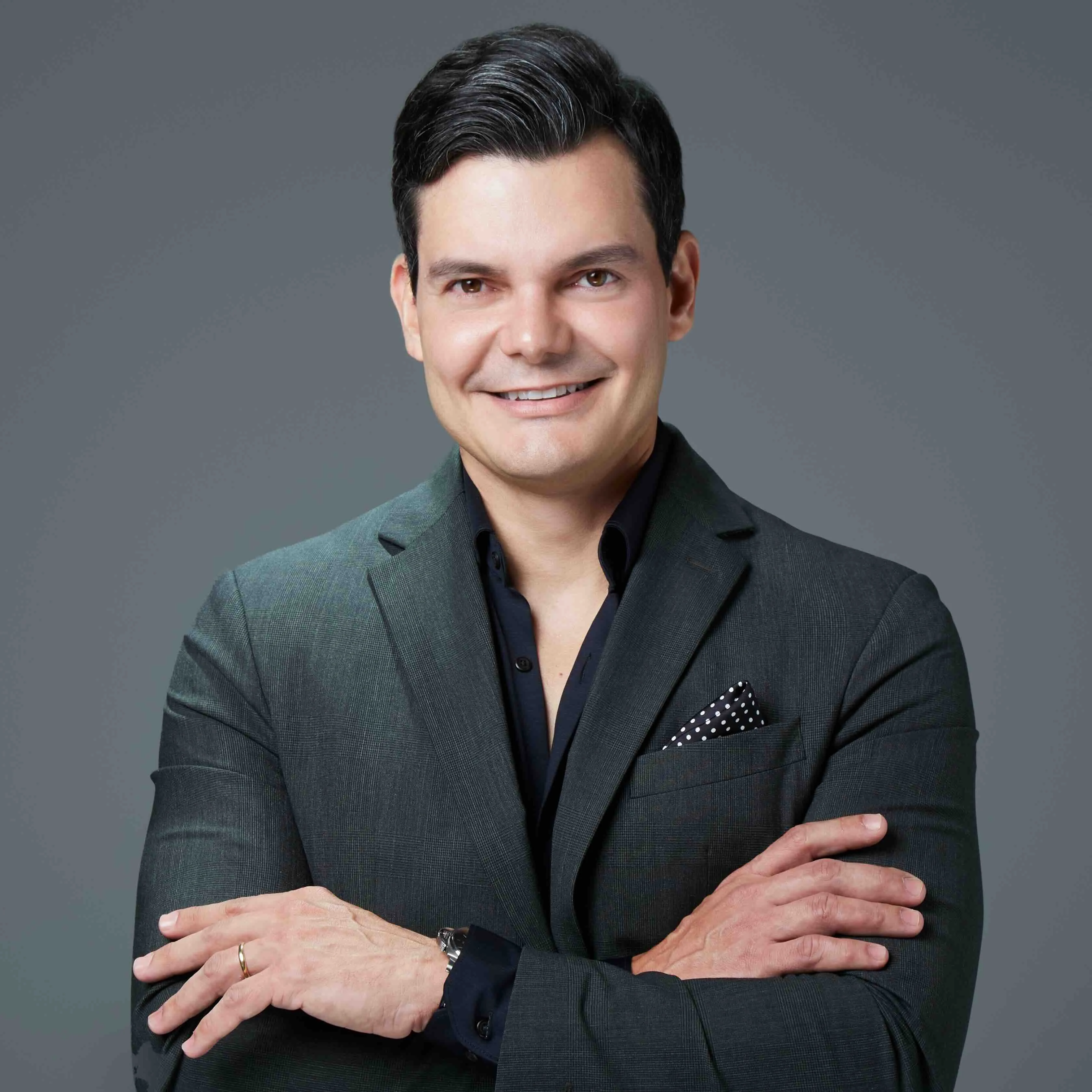
Facelifts have evolved significantly in recent decades. Today, the Endoscope-Free Deep Plane emerges as a modern and effective alternative to the traditional facelift. This innovative technique offers deep and long-lasting facial rejuvenation without the need for an endoscope, combining surgical precision with faster recovery and more natural results.
In this article, we will explore in detail what the Endoscope-Free Deep Plane is, how it works, its advantages over traditional facelifts, who the ideal candidates are, and what to expect from the recovery process. We will also address the Modern Face philosophy guiding this technique, and the vast experience of Dr. Robério Brandão, one of the pioneers in minimally invasive facial surgery.
What is Endoscope-Free Deep Plane?
The Endoscope-Free Deep Plane is an advanced facelift technique aiming to reposition deep facial layers, including the Superficial Musculoaponeurotic System (SMAS). Unlike traditional facelifts, which focus primarily on the skin, the Deep Plane acts on the face’s structural base, providing more natural and long-lasting results.
The absence of an endoscope, an optical instrument used for internal visualization, does not mean the technique is less precise. On the contrary, it requires deep knowledge of facial anatomy and refined surgical skills, allowing the surgeon to perform the procedure with precision and safety, guided by experience and touch.
The Modern Face Philosophy
The Endoscope-Free Deep Plane technique aligns with the Modern Face philosophy, a concept developed by Dr. Robério Brandão seeking:
- Natural Results: Prioritizing rejuvenation that respects individuality and facial harmony.
- Optimized Recovery: Minimizing recovery time and post-operative discomfort.
- Non-Negotiable Safety: Using techniques that maximally reduce surgical risks.
- Accessibility: Democratizing access to advanced procedures, making them less dependent on expensive equipment.
Dr. Robério Brandão’s Role
Dr. Robério Brandão is a renowned facial surgeon with vast experience in minimally invasive techniques. He is one of the leading advocates of the Endoscope-Free Deep Plane, refining the technique over years of practice and research. His innovative approach and commitment to safety and naturalness have established him as a reference in the field, recognized as the “Father of Modern Face”.
How Does Endoscope-Free Deep Plane Work?
The Endoscope-Free Deep Plane procedure involves the following steps:
- Incision: Strategic incisions are made, generally smaller and more discreet than traditional facelifts.
- Dissection: The surgeon performs careful dissection of skin and subcutaneous tissue, preserving important blood vessels and nerves.
- SMAS Release: The SMAS is released from underlying structures, allowing it to be repositioned.
- Repositioning: SMAS and other deep facial layers are repositioned to a younger and more natural position.
- Excess Skin Removal: Excess skin is removed, and incisions are closed with delicate sutures.
The Importance of Anatomy and Surgical Skill
The absence of an endoscope requires the surgeon to have deep knowledge of facial anatomy and refined surgical skills. Dr. Robério Brandão emphasizes the importance of Systematized Tactile Anatomy, a technique allowing the surgeon to navigate facial layers with precision, guided by touch and experience.
This refined technique allows:
- Minimizing risk of damage to nerves and blood vessels.
- Performing precise and efficient dissection.
- Obtaining natural and harmonious results.
Advantages of Endoscope-Free Deep Plane
The Endoscope-Free Deep Plane offers several advantages over traditional facelifts:
- More Natural Results: By repositioning deep facial layers, the Deep Plane provides more natural and long-lasting rejuvenation.
- Minimal Scars: Smaller incisions result in more discreet and less visible scars.
- Faster Recovery: The minimally invasive technique generally leads to shorter recovery time and less post-operative discomfort.
- Lower Complication Risk: Surgical precision and knowledge of facial anatomy help reduce the risk of damage to nerves and blood vessels.
- Avoids Fibrosis Areas: In patients who have previously undergone procedures with biostimulators, the Endoscope-Free Deep Plane helps avoid fibrosis areas, minimizing complication risk.
Comparative Table: Endoscope-Free Deep Plane vs Traditional Facelift
| Characteristic | Endoscope-Free Deep Plane | Traditional Facelift |
|---|---|---|
| Acting Depth | Deep layers (SMAS) | Primarily skin |
| Results | More natural and durable | Less natural and durable |
| Scars | Minimal | More extensive |
| Recovery | Faster | Slower |
| Complication Risk | Lower | Higher |
| Endoscope Use | No | Optional |
Who is the Ideal Candidate?
The Endoscope-Free Deep Plane is an excellent option for patients who:
- Present moderate to severe facial sagging.
- Have lost facial volume due to aging.
- Have good skin elasticity.
- Desire long-lasting and natural rejuvenation.
- Are willing to follow medical instructions and attend follow-up appointments.
It is important to emphasize that the decision on which technique is most suitable should be made jointly with the surgeon, after a complete facial assessment and patient expectations.
Personalized Assessment
Dr. Robério Brandão emphasizes the importance of individualized assessment to determine the best treatment plan for each patient. He considers factors such as:
- Unique facial anatomy of each individual.
- Degree of sagging and volume loss.
- Skin quality.
- History of previous aesthetic procedures.
- Patient expectations.
The Recovery Process
Endoscope-Free Deep Plane recovery is generally faster and smoother than traditional facelifts. However, it is fundamental to follow medical instructions to ensure proper recovery and optimized results.
Post-Operative Care
Post-operative care may include:
- Rest and restriction of intense physical activities.
- Use of cold compresses to reduce swelling and discomfort.
- Head elevation when sleeping.
- Administration of medications to control pain and prevent infections.
- Dressings and regular medical follow-up.
Recovery Time
Recovery time varies from patient to patient, but generally is:
- 1 to 2 weeks for most light activities.
- 3 to 4 weeks for more intense activities.
It is important to be patient and follow medical instructions to ensure complete recovery and long-lasting results.
Risks and Complications
Like any surgical procedure, Endoscope-Free Deep Plane presents potential risks and complications, such as:
- Bleeding.
- Infection.
- Nerve injury.
- Hypertrophic scars.
- Facial asymmetry.
- Unsatisfactory results.
However, these risks are minimized through careful surgical planning, precise execution, and deep knowledge of facial anatomy. Dr. Robério Brandão emphasizes the importance of following a rigorous protocol to ensure patient safety and optimize results.
Dr. Robério Brandão’s Experience
With more than 1,000 facial surgeries without any irreversible motor nerve injury, Dr. Robério Brandão demonstrates an unwavering commitment to safety and excellence in his procedures. His vast experience and deep knowledge of facial anatomy allow him to perform Endoscope-Free Deep Plane with precision and safety, minimizing complication risk and providing natural and harmonious results.
Relevant Anatomy for This Procedure
Anatomical knowledge is fundamental to understanding how results are achieved safely and effectively.
Key Structures
The face is composed of layers that must be understood together:
- Skin: the most superficial layer, reflecting aging through wrinkles and sagging
- Subcutaneous tissue: contains fat that redistributes with age
- SMAS (Superficial Musculoaponeurotic System): fundamental layer connecting muscles to skin
- Facial muscles: responsible for expression and dynamic support
- Retaining ligaments: anchor skin to the facial skeleton
- Facial nerves: control movement and sensitivity
Surgical Planes
In the Modern Face philosophy, we work on specific planes:
- Superficial plane: above SMAS, used in less invasive procedures
- Deep plane (sub-SMAS): below SMAS, allows more lasting results
- Subcutaneous plane: used for fat grafting and fat treatment
Why It Matters
Understanding anatomy explains:
- Why certain procedures last longer than others
- How natural results are achieved
- Why surgeon experience is crucial
- How complications can be avoided
“Respect for anatomy is what separates a natural result from an unnatural one. In Modern Face, every structure has its role and must be preserved or repositioned with precision.” — Dr. Robério Brandão
Comparison: Techniques and Approaches
Understanding differences between available techniques helps in informed decision-making.
Overview of Approaches
| Aspect | Traditional Techniques | Modern Face |
|---|---|---|
| Surgical plane | Generally superficial | Deep (sub-SMAS) |
| Traction vector | Predominantly lateral | Vertical anatomically correct |
| Incision | Extensive, multiple areas | Minimal, strategically positioned |
| Recovery | 2-4 weeks | 7-14 days average |
| Durability | 5-7 years | 10-15 years |
| Naturalness | Risk of “stretched” look | Preserves natural expression |
Benefits of Modern Approach
The Modern Face technique offers specific benefits:
- More natural results: vertical vector respects facial anatomy
- Shorter recovery time: minimally invasive techniques accelerate healing
- Superior durability: work in deep plane offers more lasting support
- Less visible scars: strategic and smaller incisions
- Preservation of expressiveness: face remains natural and mobile
When Each Technique is Indicated
Technique choice depends on individual factors:
- Aging degree: more advanced cases may require more comprehensive approaches
- Areas of concern: midface, lower face, or neck have specific techniques
- Patient expectations: balance between desired result and acceptable recovery
- History of previous procedures: revisions require special planning
Detailed Post-Operative Care
Procedure success depends on both surgical technique and post-operative care.
First Days: Critical Phase
In this phase, small precautions make a big difference:
- Elevated rest: keep head elevated at 30-45° even when sleeping
- Cold compresses: apply in first 48h to reduce edema
- Strict medication: follow exactly prescribed schedules
- Light diet: prefer soft foods and avoid excessive chewing
- Abundant hydration: water helps with tissue recovery
First Week: Intermediate Care
As healing advances:
- Careful hygiene: clean area as directed, without rubbing
- Avoid sun exposure: use hat and sunscreen when necessary to go out
- Gentle facial movements: avoid exaggerated expressions
- Adequate sleep: body recovers mainly during sleep
- Avoid alcohol and tobacco: both impair healing
Weeks 2-4: Gradual Return
Return to activities should be progressive:
- Light activities: short walks are allowed
- Remote work: can be resumed as comfortable
- Light makeup: generally allowed after 2 weeks
- Moderate exercise: only with medical clearance
- Lymphatic drainage: indicated to accelerate recovery
What to Avoid
Throughout recovery period:
- Direct sun exposure on operated areas
- Intense physical activities before clearance
- Alcohol consumption in first 2 weeks
- Smoking (ideally stop 4 weeks before and after)
- Non-prescribed anti-inflammatories
- Sudden movements with face
Conclusion
Endoscope-Free Deep Plane represents a significant evolution in facelift surgery. By combining surgical precision with a minimally invasive approach, this technique offers deep and long-lasting facial rejuvenation, with natural results and faster recovery time.
If you are considering a facelift, talk to a qualified surgeon to determine if Endoscope-Free Deep Plane is the right option for you. Remember that surgeon choice and technique used are fundamental to ensuring a safe and satisfactory result.
To learn more about the Modern Face philosophy and Dr. Robério Brandão’s techniques, visit drroberiobrandao.com and schedule a consultation. Discover how you can achieve natural and long-lasting facial rejuvenation, with the safety and expertise of one of Brazil’s leading facial surgery specialists.
Related Content
- Endomidface: Complete Guide
- SMAS Anatomy: Fundamentals for Surgeons
- Facelift: Everything You Need to Know
⚠️ Disclaimer
This content is educational and represents the author’s technical opinion based on documented clinical experience. Surgical decisions should be individualized.
Author: Dr. Robério Brandão, CRM-CE 8596 Last update: January 2026