Facelift surgery, also known as rhytidectomy, is a transformative procedure that can rejuvenate your appearance and boost your self-confidence. However, the long-term success of this procedure depends not only on the surgeon’s skill but also on your commitment to the recovery process. One of the most important and often overlooked areas is nutrition.
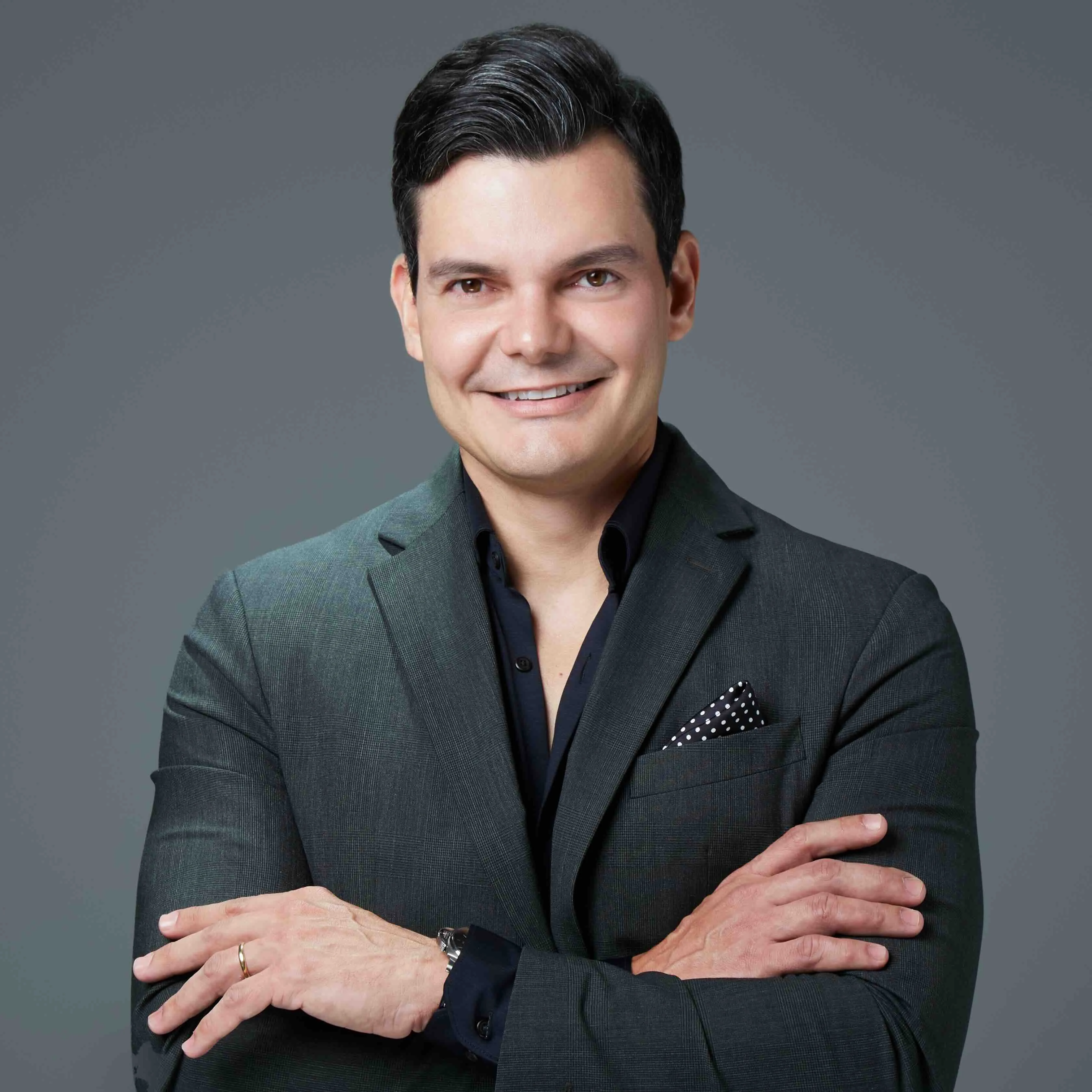
Proper nutrition after a facelift is crucial to optimize healing, reduce inflammation, strengthen the immune system, and ensure long-lasting results. In this comprehensive article, Dr. Robério Brandão, creator of the Modern Face philosophy and specialist in minimally invasive facial rejuvenation techniques, shares a detailed guide on what to eat and what to avoid for a successful recovery.
The Importance of Nutrition in Post-Facelift Recovery
Nutrition plays a fundamental role in all stages of post-surgical recovery. A diet rich in essential nutrients provides the building blocks necessary for tissue repair, collagen synthesis, and immune function.
“Nutrition is the foundation for a successful recovery. A balanced diet, rich in vitamins, minerals, and proteins, is fundamental to optimize healing and minimize complications,” states Dr. Robério Brandão.
The Impact of Diet on Healing
Healing is a complex process involving several stages, including inflammation, cell proliferation, and extracellular matrix remodeling. Each of these stages requires specific nutrients to occur efficiently.
- Proteins: Essential for collagen production, the main structural protein of the skin.
- Vitamin C: Antioxidant that stimulates collagen production and protects cells against damage.
- Zinc: Mineral crucial for cell proliferation and protein synthesis.
Reduction of Inflammation and Swelling
Inflammation is a natural body response to surgical injury, but excessive inflammation can delay healing and increase discomfort. Certain foods and nutrients have anti-inflammatory properties that can help control the inflammatory response.
- Omega-3: Fatty acids found in fatty fish, chia seeds, and flaxseed, which reduce the production of inflammatory substances.
- Antioxidants: Compounds present in colorful fruits and vegetables, which fight free radicals and protect cells against damage.
Strengthening the Immune System
Surgery can temporarily suppress immune function, making the body more susceptible to infections. A diet rich in immune-boosting nutrients can help reduce this risk.
- Vitamin D: Essential for immune cell function.
- Probiotics: Beneficial bacteria that promote gut health and strengthen the immune system.
What to Eat After a Facelift: Recommended Foods
Prioritize whole, unprocessed foods rich in essential nutrients.
High-Quality Protein Sources
Proteins are the building blocks of tissues and are crucial for healing.
- Lean meats: Chicken, turkey, fish (salmon, tuna), lean beef.
- Eggs: Excellent source of protein and other important nutrients.
- Dairy: Greek yogurt, cottage cheese, milk.
- Legumes: Beans, lentils, chickpeas.
- Tofu and Tempeh: Vegetarian alternatives rich in protein.
Foods Rich in Vitamin C
Vitamin C is a powerful antioxidant that stimulates collagen production and strengthens the immune system.
- Citrus fruits: Orange, lemon, grapefruit.
- Strawberries: Rich in antioxidants and vitamin C.
- Kiwi: Excellent source of vitamin C and other nutrients.
- Bell peppers: Red and yellow are particularly rich in vitamin C.
- Broccoli: Besides vitamin C, contains other antioxidants and fiber.
Foods Rich in Zinc
Zinc plays a crucial role in cell proliferation and protein synthesis, both essential for healing.
- Meats: Beef, chicken, pork.
- Seafood: Oysters, crab, shrimp.
- Nuts and seeds: Cashews, almonds, pumpkin seeds.
- Whole grains: Oats, quinoa, brown rice.
Healthy Fats
Healthy fats are important for the absorption of fat-soluble vitamins (A, D, E, K) and for reducing inflammation.
- Fatty fish: Salmon, tuna, sardines.
- Avocado: Rich in monounsaturated fats and other nutrients.
- Extra virgin olive oil: Use to dress salads and vegetables.
- Nuts and seeds: Cashews, almonds, chia seeds, flaxseed.
Anti-Inflammatory Foods
These foods help control the body’s inflammatory response and reduce swelling.
- Pineapple: Contains bromelain, an enzyme with anti-inflammatory properties.
- Ginger: Contains compounds that reduce inflammation and relieve pain.
- Turmeric: Contains curcumin, a powerful antioxidant and anti-inflammatory.
- Berries: Strawberries, raspberries, blackberries, rich in antioxidants.
- Green leafy vegetables: Spinach, kale, lettuce, rich in vitamins and minerals.
Probiotics
Probiotics strengthen the immune system and promote gut health.
- Yogurt: Choose natural yogurt with live cultures.
- Kefir: Fermented drink rich in probiotics.
- Sauerkraut: Fermented cabbage with probiotics.
What to Avoid After a Facelift: Foods to Restrict
Just as it is important to know what to eat, it is also crucial to know the foods that should be avoided during recovery.
Processed and High-Sodium Foods
These foods can increase inflammation and fluid retention, delaying healing.
- Fast food: Burgers, fries, pizzas.
- Snacks: Potato chips, salty crackers.
- Canned soups: Generally high in sodium.
- Cured meats: Ham, salami, sausage.
High-Sugar Foods
Sugar can suppress immune function and increase inflammation.
- Sweets: Cakes, cookies, ice cream.
- Sodas: Rich in sugar and empty calories.
- Processed juices: Often added with sugar.
Saturated and Trans Fats
These fats can increase inflammation and impair cardiovascular health.
- Fatty meats: Cuts of meat with lots of fat.
- Fried foods: Foods fried in oil.
- Full-fat dairy: Whole milk, yellow cheese.
- Processed foods: Many contain trans fats.
Alcohol and Caffeine
These substances can interfere with healing and increase the risk of complications.
- Alcohol: Can impair immune function and increase inflammation.
- Caffeine: Can interfere with sleep and increase anxiety.
Dietary Strategies for Each Recovery Phase
Facelift recovery can be divided into distinct phases, each with its own nutritional needs.
Initial Phase (1-3 Days)
- Focus: Liquid and soft foods, easy to chew and swallow.
- Examples:
- Nutritious soups and broths.
- Mashed potatoes or pumpkin.
- Yogurt and smoothies.
- Gelatin and puddings.
- Goal: Provide essential nutrients without straining facial muscles.
Intermediate Phase (4-7 Days)
- Focus: Gradual introduction of soft foods easy to chew.
- Examples:
- Scrambled eggs.
- Cooked fish.
- Soft fruits (banana, avocado).
- Cooked vegetables.
- Goal: Increase protein and other nutrient intake to promote healing.
Advanced Phase (8 Days Onwards)
- Focus: Gradual return to a normal diet, maintaining focus on nutritious foods and avoiding processed and inflammatory foods.
- Examples:
- Whole grains.
- Vegetables and greens.
- Fresh fruits.
- Lean proteins.
- Goal: Maintain adequate nutrient intake to support long-term healing and promote general health.
Supplementation: An Extra Boost for Recovery
Although a balanced diet is fundamental, supplementation can provide an extra boost for recovery. Consult your doctor to determine which supplements are suitable for you.
- Vitamin C: 500-1000mg per day to stimulate collagen production.
- Vitamin D: 2000-4000 IU per day to strengthen the immune system.
- Zinc: 30-50mg per day to promote cell proliferation.
- Bromelain: Enzyme found in pineapple with anti-inflammatory properties.
- Probiotics: To strengthen the immune system and promote gut health.
Hydration: The Foundation of Effective Recovery
Adequate hydration is essential for blood circulation, healing, and toxin elimination.
- Drink plenty of water: The goal is at least 8 glasses a day.
- Include water-rich foods: Fruits and vegetables like watermelon, cucumber, and pineapple.
- Avoid diuretic drinks: Alcohol and caffeine can dehydrate the body.
Warning Signs Post-Operative
Knowing the warning signs allows for early identification of any complications and quick action.
When to Seek the Surgeon Immediately
Some signs require urgent medical evaluation:
- Active bleeding that does not stop with light compression for 10-15 minutes
- Fever above 38°C (100.4°F), especially if accompanied by chills
- Intense and sudden pain not controlled with prescribed medication
- Abrupt asymmetry — much larger swelling on one side may indicate hematoma
- Skin color change — paleness or darkening in specific areas
- Purulent discharge with an unpleasant odor
Normal Signs (Do Not Worry)
These symptoms are expected and do not require concern:
- Moderate edema in the first few days, especially in the morning
- Ecchymosis (bruises) that change color progressively
- Tingling or temporary numbness in the operated area
- Sensation of tightness as tissues heal
- Small temporary asymmetries due to irregular edema
- Difficulty smiling or moving the face in the first few days
Safety Protocol
In case of doubt, follow this protocol:
- Document — take photos and note symptoms
- Contact — call the surgeon’s team
- Do not self-medicate — avoid non-prescribed medications
- Stay calm — most complications are manageable
“At Modern Face, every patient receives a direct communication channel for emergencies. Safety is not a luxury, it is a priority.” — Dr. Robério Brandão
Conclusion
Diet is a vital component of recovery after a facelift. By following the guidelines in this guide, you will be providing your body with the nutrients needed to optimize healing, reduce inflammation, and ensure long-lasting results. Remember to consult your doctor or nutritionist for personalized recommendations.
“Modern Face is about lasting results. Taking care of your diet is investing in your future and ensuring that the transformation you sought is a source of joy for many years,” concludes Dr. Robério Brandão.
Learn More
⚠️ Disclaimer
This content is educational and represents the author’s technical opinion based on documented clinical experience. Surgical decisions should be individualized.
Author: Dr. Robério Brandão, CRM-CE 8596 Last update: January 2026