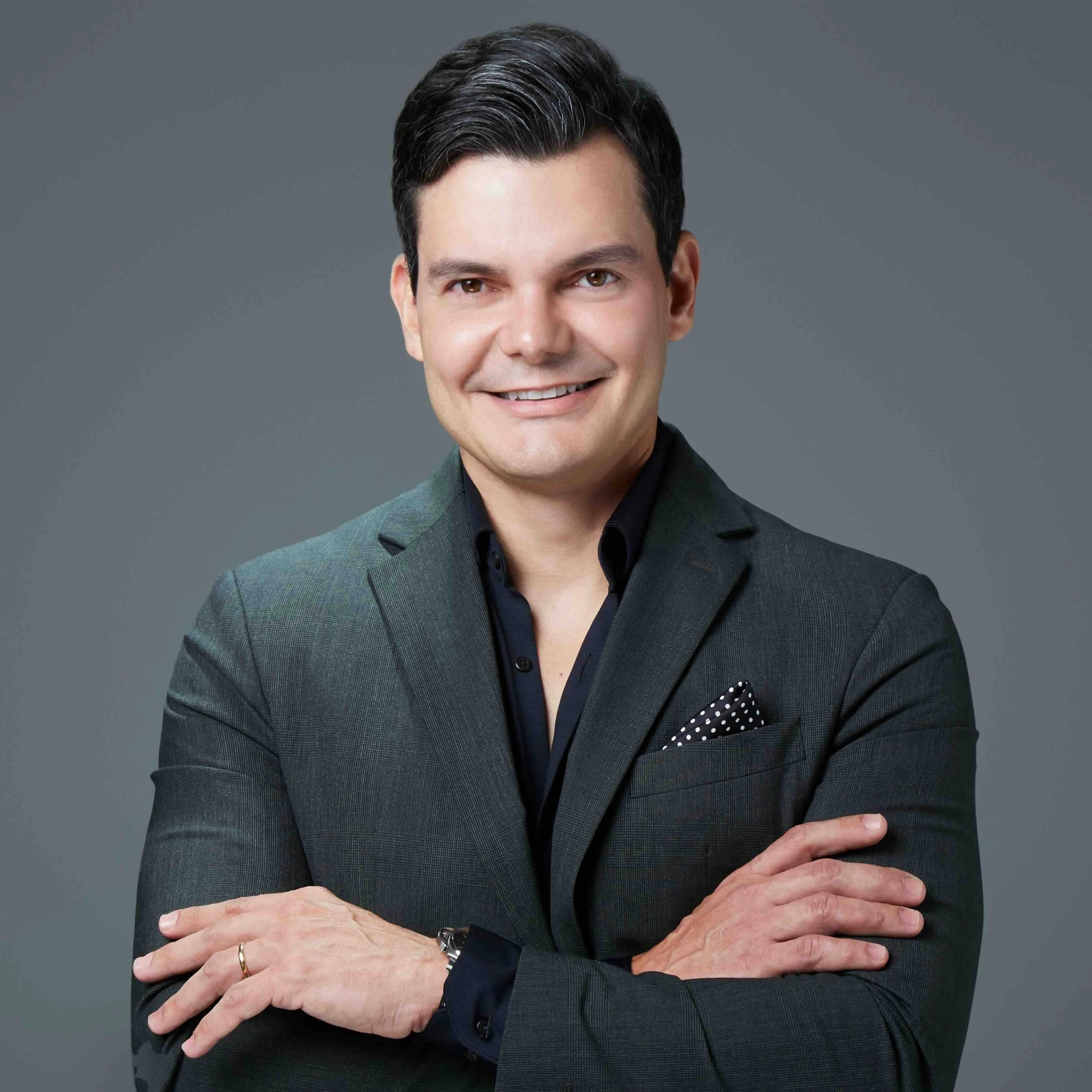
Are you thinking about rejuvenating your face and looking for a natural result with quick recovery and minimal scars? Endomidface, a technique created by Dr. Robério Brandão, might be the solution you are looking for. But who is the ideal candidate for this type of facelift?
In this article, we will explore in detail the indications for Endomidface, the signs you should observe in your face, and the realistic expectations you need to have. Understand how the Modern Face philosophy applies to this procedure and discover if you are ready to take this step towards a younger and more harmonious face.
What is Endomidface and How Does It Work?
Endomidface, or midface lift, is a surgical technique aiming to rejuvenate the central region of the face, elevating cheeks, softening the nasolabial fold, and improving lower eyelid contour.
Created by Dr. Robério Brandão, the technique stands out for being minimally invasive and using a superior access, through a small incision in the scalp, in the temporal region. This approach, known as Direct Vision, allows the surgeon to work in the deep plane of the face with precision and safety, without the need for complex equipment like an endoscope.
Endomidface by Direct Vision: The “Video Without Video”
The Endomidface by Direct Vision technique is known as “video without video” for dispensing with the use of an endoscope. Instead of operating through a monitor, the surgeon uses a small incision and delicate instruments to access and reposition facial tissues, guided by their experience and knowledge of anatomy.
The Modern Face Philosophy
Endomidface is part of the Modern Face philosophy, which seeks natural and lasting results, focusing on patient safety and optimizing recovery time. This philosophy is based on three pillars:
- Non-Negotiable Safety: Prioritizing techniques that minimize complication risks.
- Elegance in Simplicity: Seeking sophisticated results with minimally invasive procedures.
- Optimized Recovery: Reducing recovery time and post-operative discomfort.
Who Can Benefit from Endomidface?
Endomidface is an excellent option for those looking to rejuvenate the midface and presenting the following signs:
- Cheek drooping: Loss of volume and support in malar region causes a tired and aged look.
- Nasolabial fold: The famous “smile lines” become deeper and more evident with time.
- Elongated lower eyelid: Loss of muscle tone and skin sagging cause lower eyelid to stretch, creating a “sad eye” look.
- Loss of facial contour definition: Jawline loses definition and face gains a squarer shape.
Signs You Might Be a Candidate
If you identify with one or more of the following signs, Endomidface might be a great option for you:
- You feel your face is “droopy” and lacks volume in cheeks.
- Your lower eyelids seem longer and saggy than before.
- You notice your face has lost contour and definition.
- You seek natural rejuvenation, without an “operated look”.
- You want to avoid extensive scars and a long recovery period.
Modern Face and Biostimulators: A Smart Combination
In recent years, collagen biostimulators have become very popular for rejuvenating skin and replacing facial volume. However, excessive or inadequate use of these substances can lead to fibrosis formation, which are areas of hardened and scarred tissue under skin.
The good news is that Endomidface is a technique that can be performed even in patients who have already had biostimulators. In fact, in many cases, Endomidface is the best option to reverse unwanted effects of fibrosis and restore facial harmony.
How Does Endomidface Act on Face with Fibrosis?
The Direct Vision technique allows the surgeon to identify and bypass fibrosis areas, repositioning facial tissues safely and effectively. Additionally, Endomidface stimulates natural collagen production, improving skin quality and providing a more lasting result.
What to Expect from Endomidface: Results and Expectations
Endomidface is a powerful technique, but it is important to have realistic expectations about results. The procedure can:
- Lift cheeks and restore facial volume.
- Soften nasolabial fold.
- Improve lower eyelid contour.
- Provide a younger and more rested look.
However, Endomidface is not indicated to treat:
- Jowls: The technique does not correct jaw sagging.
- Excess neck skin: To treat this area, it is necessary to associate Endomidface with a neck lift.
- Fine wrinkles and skin spots: To improve skin texture and quality, other procedures like peels and lasers may be recommended.
| Result You Can Expect | Result Endomidface DOES NOT Deliver |
|---|---|
| Cheek elevation and facial volume restoration. | Jaw sagging correction (jowls). |
| Nasolabial fold softening. | Complete elimination of fine wrinkles and skin spots. |
| Lower eyelid contour improvement. | Results identical to a full facelift. |
| Younger and more rested look. | Permanent results immune to natural aging process. |
Preparing for Endomidface: What You Need to Know
If you are considering Endomidface, it is fundamental to talk to an experienced and qualified plastic surgeon who can evaluate your case and indicate the best treatment for you.
During consultation, the doctor will:
- Analyze your face and skin.
- Evaluate your bone structure and facial musculature.
- Discuss your expectations and goals.
- Explain risks and benefits of procedure.
- Request pre-operative exams.
It is important that you are honest with the doctor and clear all your doubts. Endomidface is a safe and effective procedure but requires careful planning and rigorous follow-up.
Find a Qualified Surgeon
Endomidface is a procedure requiring skill and experience. Therefore, it is fundamental to choose a qualified plastic surgeon with experience in the technique.
Dr. Robério Brandão is the creator of the Endomidface technique and one of Brazil’s leading facial surgery specialists. With over 18 years of experience and more than 1,000 facial surgeries performed, Dr. Robério offers personalized and safe treatment, with natural and lasting results.
Recovery: What to Expect After Surgery
Endomidface recovery tends to be quick and smooth. In first days, it is normal to feel slight swelling and discomfort in operated region, which can be controlled with painkillers and cold compresses.
Most patients can return to social activities in 7 to 10 days, following medical guidelines. It is important to avoid sun exposure and intense physical activities in first weeks.
Endomidface: A Safe and Effective Technique
Endomidface is an innovative and safe technique offering natural and lasting results for those seeking to rejuvenate midface. If you identify with aging signs mentioned in this article and seek a minimally invasive solution, talk to a qualified plastic surgeon and discover if Endomidface is best option for you.
Remember: The decision to perform any surgical procedure should be made together with your doctor, after a complete evaluation and honest discussion about risks and benefits.
FAQ (Frequently Asked Questions)
What is Endomidface?
It is a midface lift that elevates cheeks and softens the nasolabial fold through a minimally invasive access.
What are the benefits of Endomidface?
Natural results, rapid recovery, minimal scars, and high satisfaction rate.
What is the difference between Endomidface and Deep Plane?
Endomidface bypasses the fibrosis area caused by biostimulators, while Deep Plane goes through it.
Does Endomidface correct jowls?
No, Endomidface focuses on the midface. For jowls, other techniques are necessary.
Who performs Endomidface?
Dr. Robério Brandão and surgeons trained in his technique.
How long does Endomidface surgery take?
On average, 90–120 minutes.
What is the recovery time for Endomidface?
Return to social activities usually occurs in 7 to 10 days.
Post-Operative Warning Signs
Knowing warning signs allows early identification of any complication and quick action.
When to Seek Surgeon Immediately
Some signs require urgent medical evaluation:
- Active bleeding that does not stop with light compression for 10-15 minutes
- Fever above 38°C (100.4°F), especially if accompanied by chills
- Intense and sudden pain not controlled with prescribed medication
- Abrupt asymmetry — much larger swelling on one side may indicate hematoma
- Skin color change — paleness or darkening in specific areas
- Purulent discharge with unpleasant odor
Normal Signs (Do Not Worry)
These symptoms are expected and do not require concern:
- Moderate edema in the first days, especially in the morning
- Bruising (purple spots) changing color progressively
- Tingling or numbness temporary in operated area
- Tightness sensation as tissues heal
- Small temporary asymmetries due to irregular edema
- Difficulty smiling or moving face in first days
Safety Protocol
In case of doubt, follow this protocol:
- Document — take photos and note symptoms
- Contact — call surgeon’s team
- Do not self-medicate — avoid non-prescribed medications
- Stay calm — most complications are manageable
“In Modern Face, each patient receives a direct communication channel for emergencies. Safety is not a luxury, it is a priority.” — Dr. Robério Brandão
Essential Consultation Questions
A well-utilized consultation is fundamental to procedure success. Prepare with the right questions.
About Surgeon Experience
- “How many procedures similar to my case have you performed?” — Case volume is experience indicator
- “Can I see before and after photos of patients with characteristics similar to mine?” — Real results are best reference
- “What is your specific training in facial surgery?” — Specialization makes difference in results
About Proposed Technique
- “Why do you recommend this specific technique for my case?” — Understand clinical reasoning
- “What are the alternatives and why is this the best option?” — Compare approaches
- “Where will scars be and how do they evolve with time?” — Realistic expectations
About Risks and Recovery
- “What are the most common risks and how are they managed?” — Transparency is essential
- “How long will I be away from normal activities?” — Adequate planning
- “What type of anesthesia will be used?” — Anesthetic safety
- “What is the post-operative follow-up protocol?” — Continuous support
Signs of a Good Surgeon
- Answers your doubts with clarity and patience
- Shows real results of previous cases
- Discusses risks transparently
- Does not promise unrealistic results
- Has adequate team and structure
Detailed Post-Operative Care
Procedure success depends as much on surgical technique as on post-operative care.
First Days: Critical Phase
In this phase, small cares make big difference:
- Elevated rest: keep head elevated at 30-45° even when sleeping
- Cold compresses: apply in first 48h to reduce edema
- Rigorous medication: follow exactly prescribed schedules
- Light diet: prefer soft foods and avoid excessive chewing
- Abundant hydration: water helps in tissue recovery
First Week: Intermediate Care
As healing advances:
- Careful hygiene: clean area as directed, without rubbing
- Avoid sun exposure: use hat and sunscreen when necessary to go out
- Gentle facial movements: avoid exaggerated expressions
- Adequate sleep: body recovers mainly during sleep
- Avoid alcohol and tobacco: both harm healing
Weeks 2-4: Gradual Return
Return to activities should be progressive:
- Light activities: short walks are allowed
- Remote work: can be resumed as per comfort
- Light makeup: generally allowed after 2 weeks
- Moderate exercises: only with medical clearance
- Lymphatic drainage: indicated to accelerate recovery
What to Avoid
During entire recovery period:
- Direct sun exposure on operated areas
- Intense physical activities before clearance
- Alcohol consumption in first 2 weeks
- Smoking (ideally stop 4 weeks before and after)
- Non-prescribed anti-inflammatories
- Sudden movements with face
Conclusion
Endomidface is an innovative technique that can transform your face, bringing back youth and harmony lost with time. If you seek a natural result, with quick recovery and minimal scars, talk to Dr. Robério Brandão and discover if Endomidface is the ideal procedure for you.
Schedule your consultation and take first step towards a Modern Face!
Related Content
- Endomidface: The Complete Guide
- Endomidface vs Deep Plane: Which Technique is Best For You?
- Modern Face: The Revolutionary Concept in Facial Surgery
⚠️ Disclaimer
This content is educational and represents the author’s technical opinion based on documented clinical experience. Surgical decisions should be individualized.
Author: Dr. Robério Brandão, CRM-CE 8596 Last update: January 2026