The facelift is one of the most sought-after surgeries for those seeking long-lasting and natural rejuvenation. But for the result to be truly satisfactory, the initial consultation with the surgeon is fundamental. At Dr Robério Brandão, we prioritize open and transparent communication to align expectations and ensure that each patient makes an informed decision.
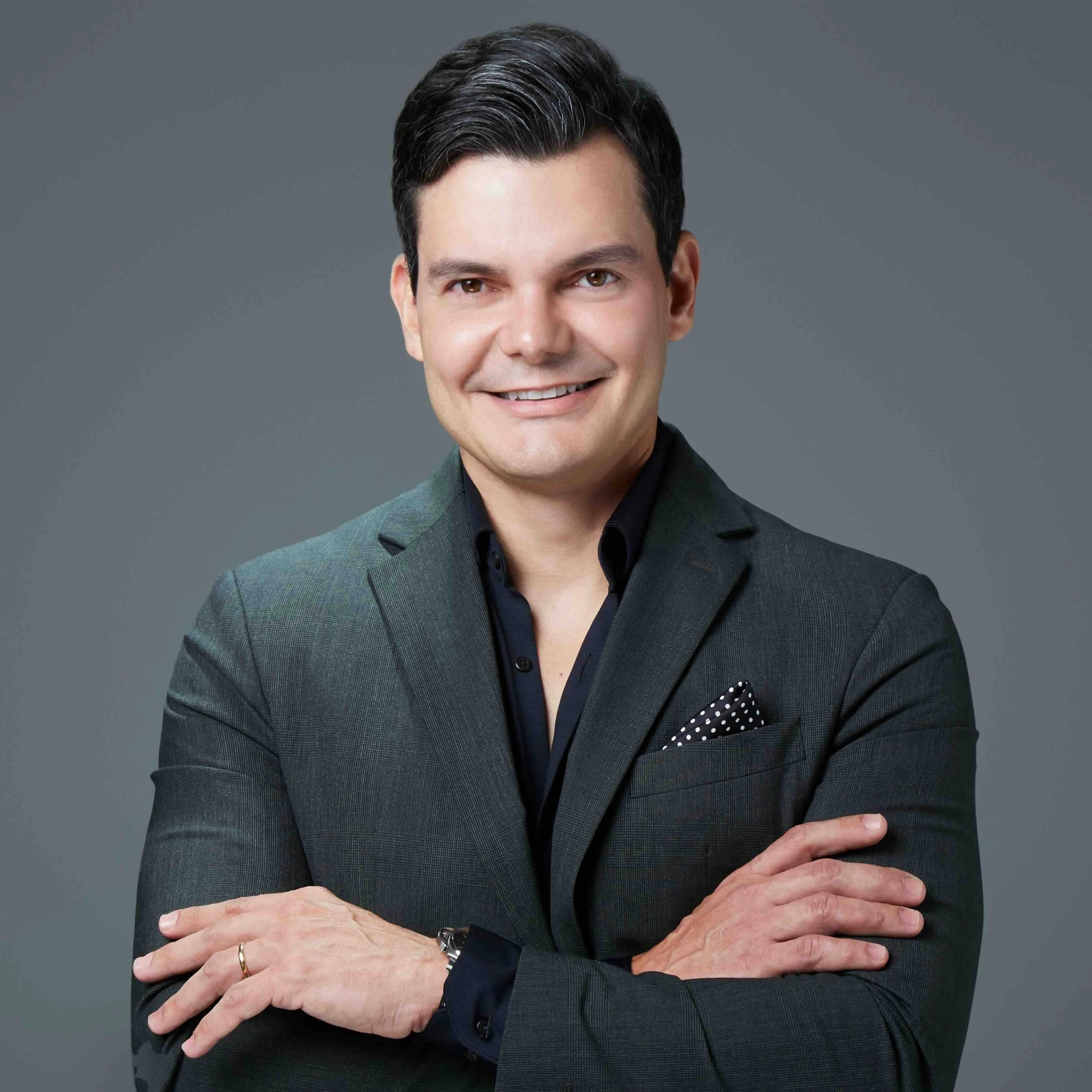
In this article, Dr. Robério Brandão, creator of the Modern Face philosophy and specialist in minimally invasive techniques such as Endomidface, shares the 7 questions he considers essential during the facelift consultation. Prepare to transform your approach and offer your patients incredible and safe results.
1. What is your main goal with the facelift?
This is the first and most important question. Understanding what the patient seeks is crucial to defining the best surgical strategy.
- General rejuvenation: Does the patient seek a younger and more rested appearance?
- Correction of specific areas: Is the biggest concern with jaw sagging (jowls), cheek drooping, or excess skin on the neck?
- Natural results: Does the patient prioritize a discreet result that preserves their facial features?
The answer to these questions helps determine if a traditional facelift, the Endomidface technique, or a Deep Neck is most appropriate.
2. What are your expectations regarding results?
It is fundamental to align the patient’s expectations with what the surgery can actually offer.
- Realistic expectations: Does the patient understand that a facelift does not stop the aging process, but rather delays it?
- Long-lasting results: Is the patient aware that results can last from 7 to 10 years, depending on individual factors and lifestyle?
- Technique limitations: Does the patient understand that a facelift may not correct fine wrinkles, spots, or other skin problems?
Being transparent about the limitations of the surgery avoids frustrations and ensures that the patient is satisfied with the final result.
Dr. Robério Brandão: “It is important that the patient understands that a facelift is not a magic formula, but rather a procedure that can bring significant and long-lasting rejuvenation, provided that expectations are realistic.”
3. What are your habits and lifestyle?
The patient’s lifestyle can influence the durability and quality of results.
- Smoking: Does the patient smoke? If so, are they willing to stop before and after surgery? Smoking compromises blood circulation and increases the risk of complications.
- Sun exposure: Does the patient protect themselves from the sun? Excessive sun exposure accelerates skin aging and decreases the durability of results.
- Diet and exercise: Does the patient maintain a balanced diet and practice physical activities? Healthy habits contribute to skin health and weight maintenance, important factors for a long-lasting result.
Encouraging healthy habits is fundamental to optimizing results and ensuring patient satisfaction in the long term.
4. Have you had any aesthetic procedures on your face or neck?
The history of aesthetic procedures is crucial for planning the surgery.
- Fillers: Has the patient had hyaluronic acid fillers? If so, where and when? Excess filler can distort facial anatomy and make assessment difficult.
- Biostimulators: Has the patient used collagen biostimulators, such as Sculptra or Radiesse? If so, where and when? Biostimulators can cause fibrosis and adhesions, which requires a more careful surgical technique.
- Thread lift: Has the patient had a thread lift? If so, which threads were used and when were they inserted? Threads can make dissection difficult and increase the risk of complications.
The Endomidface technique, created by Dr. Robério Brandão, is especially useful in patients with a history of biostimulators, as it allows bypassing areas of fibrosis and minimizing the risk of nerve injury.
5. What are your fears and concerns regarding the surgery?
Identifying the patient’s fears and concerns is fundamental to building a relationship of trust and offering the necessary support.
- Fear of pain: Is the patient afraid of pain in the post-operative period? Explaining analgesia options and what to expect during recovery can reassure them.
- Fear of complications: Is the patient worried about surgery risks, such as bruising, swelling, scars, or nerve injury? Clarifying risks and safety measures adopted can decrease anxiety.
- Fear of an artificial result: Is the patient afraid of looking “stretched” or “plastic”? Showing examples of natural results and explaining the Modern Face philosophy can reassure them.
Listening attentively to the patient’s fears and offering clear and honest information is essential to building a relationship of trust and ensuring they feel safe and comfortable with the decision to undergo surgery.
6. What are your expectations regarding scars?
The scar is a common concern among patients considering a facelift. It is important to discuss incision options openly and what to expect during the healing process.
- Incision location: Does the patient understand where incisions will be made and how they will be camouflaged?
- Healing quality: Is the patient aware that healing quality can vary from person to person and that some factors, such as genetics and smoking, can influence the result?
- Treatments to improve the scar: Does the patient know there are treatments, such as laser and ointments, that can help improve the scar’s appearance?
Explaining the healing process and available treatment options helps the patient have realistic expectations and deal with the scar positively.
The Endomidface by Direct Vision technique, developed by Dr. Robério Brandão, offers the advantage of using smaller and more discreet incisions, which contributes to a more natural aesthetic result.
7. Do you understand the risks and benefits of the procedure?
This final question ensures that the patient has all the necessary information to make an informed decision.
- Risks and complications: Is the patient aware of risks and complications associated with a facelift, such as bruising, swelling, changes in skin sensation, visible scars, and rarely, nerve injury?
- Benefits: Does the patient understand the benefits of the procedure, such as facial rejuvenation, contour improvement, and increased self-esteem?
- Alternatives: Does the patient know other treatment options, such as fillers, biostimulators, and non-invasive technologies?
Ensuring that the patient understands the risks and benefits of the procedure is fundamental to obtaining informed consent and ensuring a positive experience.
Want to know more about the facelift and the Modern Face philosophy? Download the complete guide with the 10 secrets to natural and long-lasting facial rejuvenation.
What to Expect: Recovery Timeline
Recovery is a journey requiring patience and specific care in each phase. Knowing what to expect helps reduce anxiety and optimize results.
First 24-48 Hours
This is the most delicate period. It is normal to present:
- Moderate to intense edema: swelling is maximum in this period
- Ecchymosis: purple spots may appear and are natural part of healing
- Controllable discomfort: pain is generally mild to moderate, controlled with prescribed painkillers
- Need for absolute rest: avoid sudden movements and keep head elevated
First Week (Days 3-7)
From third day, you will start noticing progressive improvements:
- Edema begins to decrease gradually
- Ecchymosis change color (purple → green → yellow)
- Stitches and dressings may be removed as per medical guidance
- Light activities can be resumed with caution
Weeks 2-4
Important transition phase:
- Gradual return to social and professional activities
- Residual edema still present, but less noticeable
- Result begins to define, although not yet definitive
- Lymphatic drainage massages may be indicated
Months 1-3
Final result consolidates progressively:
- Tissues settle into their definitive position
- Scars mature and become less visible
- Sensitivity returns gradually to normal
- Final result visible between 3-6 months
“Patience is fundamental. Final result of a facial procedure can only be evaluated after 6 months, when all tissues have stabilized.” — Dr. Robério Brandão
Essential Questions in Consultation
A well-utilized consultation is fundamental for procedure success. Prepare yourself with right questions.
About Surgeon’s Experience
- “How many procedures similar to my case have you performed?” — Case volume is experience indicator
- “Can I see before and after photos of patients with characteristics similar to mine?” — Real results are best reference
- “What is your specific training in facial surgery?” — Specialization makes difference in results
About Proposed Technique
- “Why do you recommend this specific technique for my case?” — Understand clinical reasoning
- “What are the alternatives and why is this best option?” — Compare approaches
- “Where will scars be and how do they evolve over time?” — Realistic expectations
About Risks and Recovery
- “What are most common risks and how are they managed?” — Transparency is essential
- “How long will I be away from normal activities?” — Adequate planning
- “What type of anesthesia will be used?” — Anesthetic safety
- “What is post-operative follow-up protocol?” — Continuous support
Signs of Good Surgeon
- Answers your doubts clearly and patiently
- Shows real results from previous cases
- Discusses risks transparently
- Does not promise unrealistic results
- Has adequate team and structure
Post-Operative Warning Signs
Knowing warning signs allows early identification of any complication and quick action.
When to Seek Surgeon Immediately
Some signs require urgent medical evaluation:
- Active bleeding that does not cease with light compression for 10-15 minutes
- Fever above 38°C, especially if accompanied by chills
- Intense and sudden pain not controlled with prescribed medication
- Abrupt asymmetry — much larger swelling on one side may indicate hematoma
- Skin color change — paleness or darkening in specific areas
- Purulent discharge with unpleasant odor
Normal Signs (Do Not Worry)
These symptoms are expected and do not require concern:
- Moderate edema in first days, especially in morning
- Ecchymosis (purple spots) that change color progressively
- Temporary tingling or numbness in operated area
- Pulling sensation as tissues heal
- Small temporary asymmetries due to irregular edema
- Difficulty smiling or moving face in first days
Safety Protocol
In case of doubt, follow this protocol:
- Document — take photos and note symptoms
- Contact — call surgeon’s team
- Do not self-medicate — avoid non-prescribed medications
- Keep calm — most complications are manageable
“In Modern Face, each patient receives a direct communication channel for emergencies. Safety is not luxury, is priority.” — Dr. Robério Brandão
Conclusion
The initial consultation is a crucial moment to build a relationship of trust with the patient and ensure they make an informed decision about the facelift. By asking the right questions and offering clear and honest information, you can align expectations, minimize risks, and increase the likelihood of a successful result.
Remember: Modern Face prioritizes safety, naturalness, and optimized recovery. By following these principles, you can offer your patients facial rejuvenation that transforms their lives.
Frequently Asked Questions (FAQ)
What is the main goal I should have in mind when looking for a surgeon for a facelift?
Your main goal should be to find a surgeon with proven experience, who understands your expectations and who can clearly explain the risks and benefits of the procedure.
How can I know if my expectations regarding a facelift are realistic?
Discuss your expectations openly with the surgeon. They can assess if they are attainable with the procedure and show examples of realistic results.
What are the most common risks and complications associated with a facelift?
Risks may include bruising, swelling, changes in skin sensation, visible scars, and rarely, nerve injury. An experienced surgeon will know how to minimize these risks. Dr. Robério Brandão, for example, has performed more than 1,000 facial surgeries without any irreversible motor nerve injury.
What is the expected recovery time after a facelift?
Recovery varies, but usually involves a few weeks of swelling and bruising. Most patients can return to social activities in 2 to 3 weeks, following the surgeon’s instructions.
How long do facelift results last?
Results can last from 7 to 10 years, depending on factors such as age, genetics, and lifestyle. Maintaining a routine of skincare and healthy habits can prolong results.
What anesthesia options are available for a facelift?
Options include local anesthesia with sedation, general anesthesia, or a combination of both. The surgeon will discuss the best option based on your needs and the procedure to be performed.
Can a facelift correct neck sagging? If not, what are the alternatives?
A facelift focuses primarily on the face but may have some impact on the neck. For significant neck sagging, a neck lift (Deep Neck) may be recommended as a complementary procedure.
Conclusion
This article offers a complete guide to a successful facelift consultation, prioritizing open communication, alignment of expectations, and patient safety.
By adopting a transparent approach focused on patient well-being, you will be on the right track to offering incredible and long-lasting results.
Related Content
- Endomidface: The Complete Guide to a Minimally Invasive Facelift
- Deep Neck: The Revolution in Neck Rejuvenation
- Modern Face: The Concept that Transforms Facial Surgery
⚠️ Disclaimer
This content is educational and represents author’s technical opinion based on documented clinical experience. Surgical decisions must be individualized.
Author: Dr. Robério Brandão, CRM-CE 8596 Last update: January 2026