Facelift, also known as rhytidectomy, is a surgical procedure aimed at rejuvenating facial appearance, correcting skin sagging and repositioning underlying tissues. Despite its remarkable results, not everyone is an ideal candidate for this intervention. This article details facelift contraindications, providing essential information for patients and surgeons.
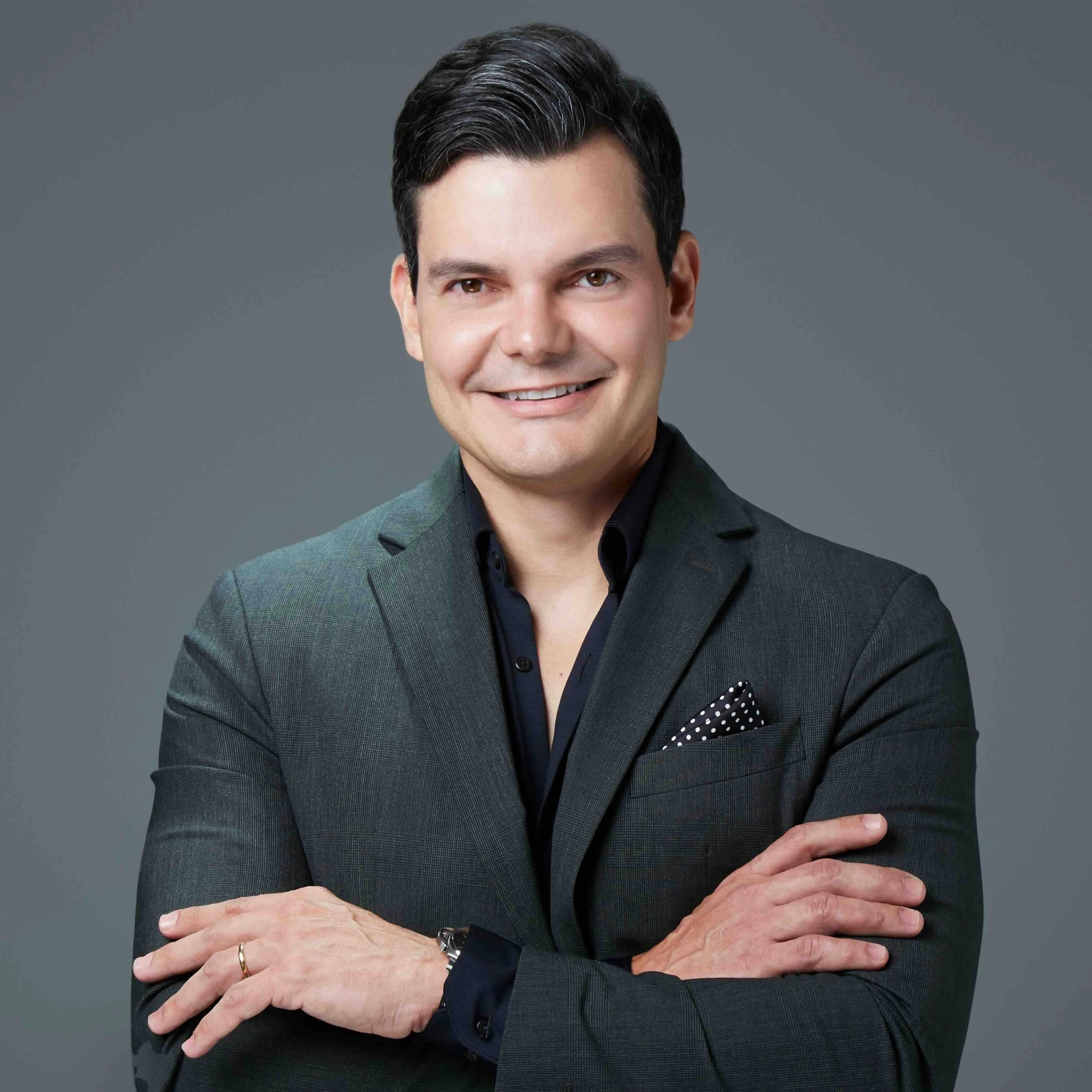
It is crucial to understand that the decision to undergo a facelift must be individualized, considering the patient’s general health, expectations, and a detailed assessment of risks and benefits. Neglecting contraindications can lead to severe complications and unsatisfactory results. Dr. Robério Brandão, creator of the Modern Face philosophy, emphasizes the importance of rigorous evaluation to ensure procedure safety and success.
Absolute Contraindications: Medical Conditions Preventing Facelift
There are medical conditions making a facelift a high-risk procedure, being, therefore, absolutely contraindicated.
1. Coagulation Disorders: High Risk of Hemorrhage
Patients with coagulation disorders, such as hemophilia or thrombocytopenia, present an increased risk of excessive bleeding during and after surgery. These disorders compromise the body’s ability to form blood clots adequately, which can lead to extensive hematomas, prolonged bleeding, and need for transfusions.
In these cases, complication risk outweighs potential facelift benefits. It is imperative that the surgeon performs a complete evaluation of the patient’s clinical history and requests laboratory tests to identify any pre-existing coagulation disorders.
2. Active Autoimmune Diseases: Compromised Healing and Exacerbated Inflammation
Active autoimmune diseases, such as lupus, rheumatoid arthritis, and scleroderma, can compromise the body’s ability to heal properly and increase the risk of exacerbated inflammation after surgery. These conditions affect the immune system, leading it to attack the body’s own tissues, which can interfere with the recovery process and increase infection risk.
Furthermore, some medications used to treat autoimmune diseases, such as corticosteroids and immunosuppressants, may increase the risk of surgical complications and compromise healing.
3. Active Infections: Risk of Spread and Serious Complications
Presence of active infections, whether local or systemic, represents a significant risk of infection spread during surgery. Facelift involves incisions and tissue manipulation, which can facilitate bacterial entry into the bloodstream and lead to serious complications, such as sepsis.
Before considering a facelift, it is fundamental to treat and completely control any pre-existing infection. The procedure should only be performed after infection eradication and with authorization from the treating physician.
4. Severe Heart Problems: Risk of Cardiovascular Events
Patients with severe heart problems, such as congestive heart failure or unstable angina, may present an increased risk of cardiovascular events during surgery. Facelift, like any surgical procedure, imposes additional stress on the cardiovascular system, which can trigger complications such as arrhythmias, myocardial infarction, or stroke.
It is imperative that the patient be evaluated by a cardiologist before surgery to determine if they are fit to undergo the procedure safely. In some cases, it may be necessary to postpone or cancel surgery due to cardiac risk.
Relative Contraindications: Factors Requiring Careful Evaluation
Besides absolute contraindications, there are factors requiring careful and individualized evaluation before deciding on a facelift.
1. Smoking: Increased Risk of Necrosis and Poor Healing
Smoking is a significant risk factor for complications in plastic surgery, including facelifts. Nicotine and other substances present in cigarettes impair blood circulation, which can lead to skin necrosis, poor healing, and increased infection risk.
Ideally, the patient should stop smoking for at least four weeks before surgery and remain abstinent for a similar period after the procedure. However, even with smoking cessation, complication risk may still be higher compared to non-smokers.
2. Obesity: Healing and Compromised Results
Obesity can increase the risk of surgical complications, such as infections, healing problems, and deep vein thrombosis. Additionally, excess adipose tissue in the neck and face region can compromise aesthetic results of the facelift.
In obese patients, it is fundamental to carefully evaluate fat distribution and consider performing additional procedures, such as liposuction, to optimize results.
3. Uncontrolled Diabetes: Slow Healing and Infection Risk
Uncontrolled diabetes can affect the body’s ability to heal properly and increase infection risk after surgery. High blood glucose levels can impair white blood cell function, compromising the immune system’s ability to fight infections.
Before performing a facelift, it is essential that the diabetic patient has controlled blood glucose and strictly follows medical guidelines to minimize risks.
4. Use of Anticoagulants: Excessive Bleeding Risk
Use of anticoagulant medications, such as warfarin and aspirin, can increase the risk of excessive bleeding during and after surgery. These medications thin the blood, hindering clot formation and increasing the likelihood of hematomas and other hemorrhagic complications.
It is fundamental that the patient informs the surgeon about anticoagulant use and strictly follows medical guidelines to stop or adjust the dose of these medications before surgery, always with supervision from the treating physician.
5. Very Thin Skin: Risk of Damage and Artificial Results
Patients with very thin skin may present an increased risk of skin damage during surgery, which can lead to visible scars and artificial results. Thin skin is more prone to excessive stretching and necrosis, compromising the face’s natural appearance.
In these cases, it is fundamental to use minimally invasive surgical techniques and avoid excessive skin traction to minimize risks.
6. Unrealistic Expectations: Dissatisfaction and Need for New Procedures
Patients with unrealistic expectations regarding facelift results may be dissatisfied with the procedure, even if technically well-executed. It is fundamental that the surgeon establishes clear and honest communication with the patient, explaining realistically achievable results and aligning expectations.
In some cases, it may be necessary to refer the patient to a mental health professional to evaluate and treat emotional issues that may be influencing their expectations.
7. Advanced Age: General Health Evaluation and Risk-Benefit
Although there is no maximum age for a facelift, elderly patients may present an increased risk of complications due to decreased recovery capacity and presence of other pre-existing medical conditions.
It is fundamental that the surgeon carefully evaluates the elderly patient’s general health and weighs procedure risks and benefits before making a decision.
Facelift Alternatives: Options for Those Who Cannot Undergo Surgery
For patients who are not ideal candidates for a facelift due to contraindications or other factors, there are non-surgical alternatives that can provide satisfactory rejuvenation results.
1. Facial Fillers: Volume Replacement and Contour
Facial fillers, such as hyaluronic acid, can be used to restore volume lost with aging, smooth wrinkles and expression lines, and improve facial contour. Fillers are a minimally invasive option, with immediately visible results and rapid recovery time.
2. Collagen Biostimulators: Natural Skin Firmness Stimulation
Collagen biostimulators, such as poly-L-lactic acid and calcium hydroxylapatite, stimulate natural collagen production by the body, promoting skin firmness and elasticity. Results are gradual and long-lasting, providing natural and progressive rejuvenation.
3. Office Technologies: Radiofrequency, Microfocused Ultrasound, and Laser
Technologies such as radiofrequency, microfocused ultrasound, and laser can be used to stimulate collagen production, improve skin texture, and reduce sagging. These treatments are minimally invasive, with short recovery time and gradual results.
The choice of the best alternative should be individualized, considering patient needs and expectations, as well as professional experience.
The Importance of Individualized Evaluation
The decision to perform a facelift must be made jointly by the patient and surgeon, after a complete and individualized evaluation. It is fundamental that the patient is honest about their medical history, habits, and expectations, and that the surgeon provides clear and accurate information about procedure risks and benefits.
“Patient safety is always the top priority,” states Dr. Robério Brandão. “Careful and individualized evaluation is essential to ensuring that the facelift is performed only on patients who are ideal candidates and who fully understand the risks and benefits involved.”
What to Expect: Recovery Timeline
Recovery is a journey requiring patience and specific care at each phase. Knowing what to expect helps reduce anxiety and optimize results.
First 24-48 Hours
This is the most delicate period. It is normal to have:
- Moderate to intense edema: swelling is maximum in this period
- Bruising: purple spots may appear and are a natural part of healing
- Controllable discomfort: pain is generally mild to moderate, controlled with prescribed painkillers
- Need for absolute rest: avoid sudden movements and keep head elevated
First Week (Days 3-7)
From the third day, you will start noticing progressive improvements:
- Edema begins to decrease gradually
- Bruising changes color (purple → green → yellow)
- Stitches and dressings may be removed as per medical advice
- Light activities can be resumed with caution
Weeks 2-4
Important transition phase:
- Gradual return to social and professional activities
- Residual edema still present but less noticeable
- Result begins to define, although not yet definitive
- Lymphatic drainage massages may be indicated
Months 1-3
Final result consolidates progressively:
- Tissues settle into their definitive position
- Scars mature and become less visible
- Sensitivity gradually returns to normal
- Final result visible between 3-6 months
“Patience is fundamental. The final result of a facial procedure can only be evaluated after 6 months when all tissues have stabilized.” — Dr. Robério Brandão
Essential Questions in Consultation
A well-utilized consultation is fundamental to procedure success. Prepare with the right questions.
About Surgeon Experience
- “How many procedures similar to my case have you performed?” — Case volume is an indicator of experience
- “Can I see before and after photos of patients with characteristics similar to mine?” — Real results are the best reference
- “What is your specific training in facial surgery?” — Specialization makes a difference in results
About Proposed Technique
- “Why do you recommend this specific technique for my case?” — Understand clinical reasoning
- “What are the alternatives and why is this the best option?” — Compare approaches
- “Where will the scars be and how do they evolve over time?” — Realistic expectations
About Risks and Recovery
- “What are the most common risks and how are they managed?” — Transparency is essential
- “How long will I be away from normal activities?” — Proper planning
- “What type of anesthesia will be used?” — Anesthetic safety
- “What is the post-operative follow-up protocol?” — Continuous support
Signs of a Good Surgeon
- Answers your doubts clearly and patiently
- Shows real results from previous cases
- Discusses risks transparently
- Does not promise unrealistic results
- Has adequate team and structure
Conclusion
Facelift is an effective procedure to rejuvenate facial appearance, but not everyone is an ideal candidate. It is fundamental that patients and surgeons are aware of contraindications and risks involved and that the decision to perform surgery is made consciously and informedly.
This article provided an overview of facelift contraindications, but it is important to emphasize that this is not an exhaustive list. Each case must be evaluated individually by a qualified plastic surgeon to determine the best approach and minimize risks.
If you are considering a facelift, schedule a consultation with an experienced plastic surgeon and discuss your options.
Related Content
- Endomidface: The Complete Guide
- Modern Face: Concept and Philosophy
- SMAS Anatomy: Fundamentals for Surgeons
⚠️ Disclaimer
This content is educational and represents the author’s technical opinion based on documented clinical experience. Surgical decisions should be individualized.
Author: Dr. Robério Brandão, CRM-CE 8596 Last update: January 2026