Mastering the facelift is an ambitious goal for any surgeon. The complexity of facial anatomy, diversity of techniques, and need for impeccable aesthetic results make this journey challenging. But how long does it really take to achieve mastery? And how can you accelerate this process?
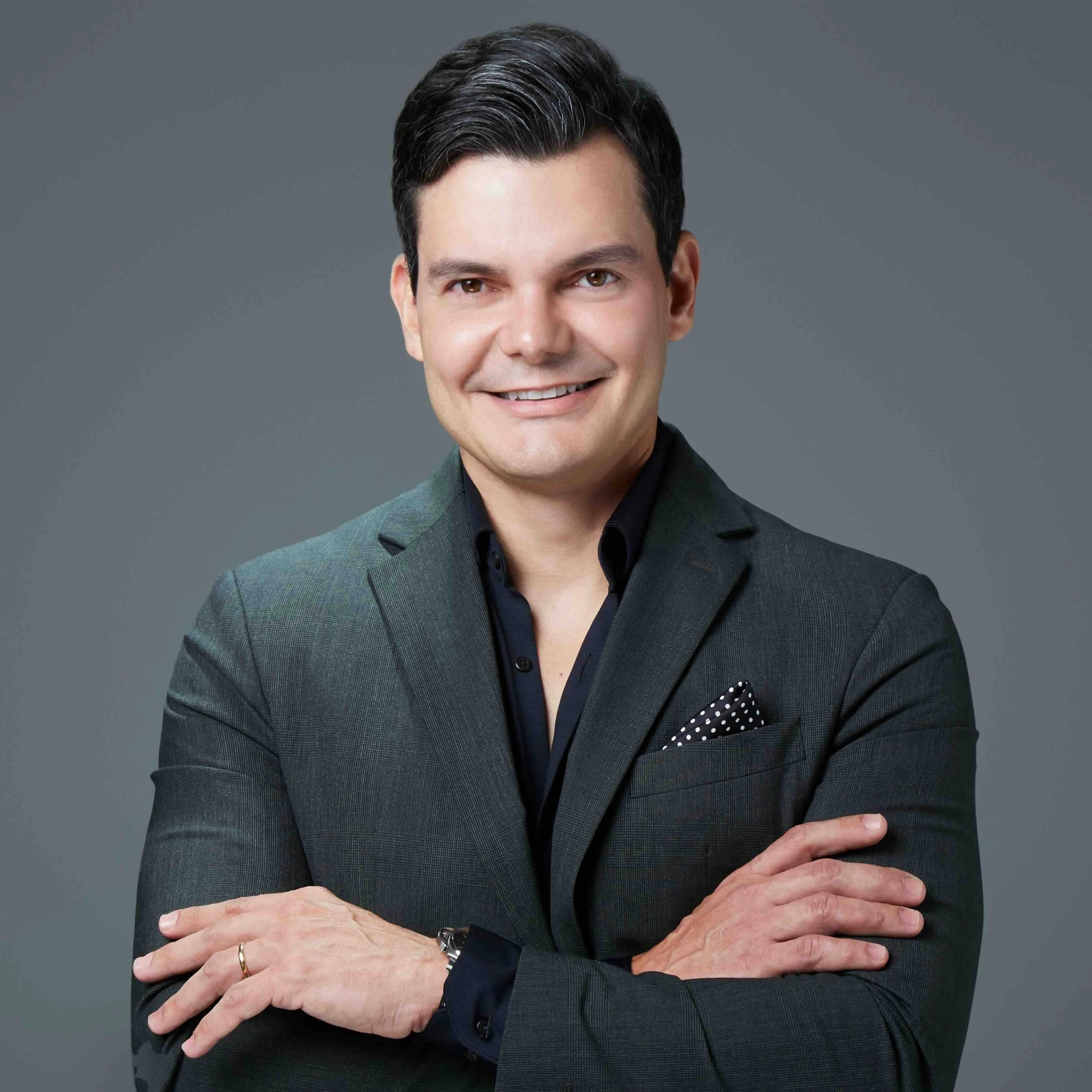
In this article, Dr. Robério Brandão, creator of the Modern Face philosophy and the Direct Vision Endomidface technique, shares his vision on the facelift learning curve, demystifying common beliefs and offering a practical guide for surgeons seeking excellence.
The 100-Case Myth: An Outdated Approach?
For years, conventional wisdom dictated that a surgeon needed to perform over 100 procedures to feel truly comfortable and confident with a facelift. This approach, often based on trial and error, presented several disadvantages:
- Time: Years of practice until proficiency.
- Costs: Continuous investments in courses and equipment.
- Patients: Exposure to inherent learning curve risks.
“It was believed that experience was the only path to safety and excellence,” explains Dr. Robério. “But this belief, besides limiting access to the technique for many surgeons, imposed an unnecessary burden on patients.”
The Modern Face Vision: Proficiency in 30 Cases
The Modern Face philosophy proposes a radical alternative: through clear protocols, systematized tactile anatomy, and a focus on safety, it is possible to reach functional proficiency in a significantly smaller number of cases.
Dr. Robério Brandão, with over 18 years of experience and more than 1,000 facial surgeries performed, including documented Endomidface cases, established that functional proficiency can be reached between the 16th and 30th case.
This acceleration of the learning curve is a result of:
- Applied Anatomy: Deep understanding of facial anatomy, emphasizing critical structures and danger zones.
- Minimally Invasive Techniques: Approaches minimizing tissue trauma and promoting faster recovery.
- Safety Protocols: A set of guidelines to avoid complications and ensure predictable results.
- Mentorship: Guidance from an experienced surgeon capable of transmitting knowledge and skills needed to master the technique.
Learning Stages: A Step-by-Step Journey
Although Modern Face accelerates the learning curve, it is fundamental to understand that mastery doesn’t happen overnight. The facial surgeon’s journey is composed of different stages, each with its challenges and learnings:
- Familiarization:
- Study of facial anatomy, including muscles, nerves, blood vessels, and ligaments.
- Understanding different facelift techniques and their indications.
- Participation in theoretical and practical courses with experienced surgeons.
- Observation:
- Following surgeries performed by experienced surgeons.
- Identifying surgical steps, instruments used, and hemostasis techniques.
- Discussing cases with the mentor surgeon, seeking to understand the reasoning behind each decision.
- Supervised Execution:
- Performing surgeries under the supervision of an experienced surgeon.
- Applying acquired theoretical and practical knowledge.
- Correcting errors and refining technique.
- Independent Execution:
- Performing surgeries autonomously, applying acquired knowledge and skills.
- Analyzing results and continuously refining technique.
- Participating in congresses and refresher courses to stay updated with the latest trends and innovations.
Tactile Anatomy: The Experienced Surgeon’s GPS
In Modern Face, tactile anatomy plays a fundamental role in facelift safety and precision. Through palpation and tissue manipulation, the experienced surgeon is able to identify important anatomical structures, such as nerves, blood vessels, and ligaments, minimizing risk of injury and complications.
Dr. Robério Brandão uses the “Tactile GPS” concept, which consists of:
- Identifying 5 fundamental bony landmarks on the face.
- Memorizing the location of anatomical structures in relation to these landmarks.
- Using palpation to confirm structure location during surgery.
“Tactile GPS allows the surgeon to navigate safely through deep facial planes, even in areas of difficult visualization,” states Dr. Robério. “It’s like having a 3D map at your fingertips.”
What Accelerates the Learning Curve?
Several factors can influence the speed and quality of facelift learning:
- Previous experience in facial surgery: Surgeons with experience in other facial procedures tend to learn faster.
- Deep knowledge of anatomy: Solid knowledge of facial anatomy is fundamental for facelift safety and success.
- Mentorship quality: Guidance from an experienced and didactic surgeon can significantly accelerate the learning curve.
- Access to high-quality study materials: Books, articles, videos, and online courses can complement practical learning.
- Dedication to study and practice: Continuous search for knowledge and constant training are essential for excellence.
- Modern Face Philosophy: Adopting an approach prioritizing safety, simplicity, and naturalness can facilitate learning and obtaining predictable results.
Common Mistakes and How to Avoid Them
During the learning curve, it is common to make some mistakes. Knowing these errors and how to avoid them can save time, money, and most importantly, protect patient safety.
- Superficial dissection: Not reaching the sub-SMAS plane can compromise facelift efficacy.
- Nerve injury: Lack of anatomical knowledge and improper tissue manipulation can lead to nerve injuries.
- Artificial results: Excessive tissue traction can result in a “stretched” and unnatural look.
- Complications: Hematomas, infections, and skin necrosis are complications that can prolong recovery and compromise the final result.
“The secret to avoiding these mistakes is discipline,” emphasizes Dr. Robério. “Follow safety protocols, respect anatomy, and never forget that the patient comes first.”
The Modern Face Surgeon Mindset
Besides technical knowledge and surgical skills, the Modern Face surgeon cultivates a specific mindset:
- Humility: Recognizing that learning is continuous and there is always room for improvement.
- Responsibility: Prioritizing patient safety above all else.
- Ethics: Acting with honesty and transparency, informing the patient about procedure risks and benefits.
- Passion: Loving what you do and seeking excellence in every case.
Relevant Anatomy for This Procedure
Anatomical knowledge is fundamental to understanding how results are achieved safely and effectively.
Key Structures
The face is composed of layers that must be understood together:
- Skin: the most superficial layer, reflecting aging through wrinkles and sagging
- Subcutaneous tissue: contains fat that redistributes with age
- SMAS (Superficial Musculoaponeurotic System): fundamental layer connecting muscles to skin
- Facial muscles: responsible for expression and dynamic support
- Retaining ligaments: anchor skin to the facial skeleton
- Facial nerves: control movement and sensitivity
Surgical Planes
In Modern Face philosophy, we work on specific planes:
- Superficial plane: above SMAS, used in less invasive procedures
- Deep plane (sub-SMAS): below SMAS, allows more lasting results
- Subcutaneous plane: used for fat grafting and fat treatment
Why It Matters
Understanding anatomy explains:
- Why certain procedures last longer than others
- How natural results are achieved
- Why surgeon experience is crucial
- How complications can be avoided
“Respect for anatomy is what separates a natural result from an unnatural one. In Modern Face, every structure has its role and must be preserved or repositioned with precision.” — Dr. Robério Brandão
Comparison: Techniques and Approaches
Understanding differences between available techniques helps in informed decision-making.
Overview of Approaches
| Aspect | Traditional Techniques | Modern Face |
|---|---|---|
| Surgical plane | Generally superficial | Deep (sub-SMAS) |
| Traction vector | Predominantly lateral | Vertical anatomically correct |
| Incision | Extensive, multiple areas | Minimal, strategically positioned |
| Recovery | 2-4 weeks | 7-14 days average |
| Durability | 5-7 years | 10-15 years |
| Naturalness | Risk of “stretched” look | Preserves natural expression |
Benefits of Modern Approach
The Modern Face technique offers specific benefits:
- More natural results: vertical vector respects facial anatomy
- Shorter recovery time: minimally invasive techniques accelerate healing
- Superior durability: work in deep plane offers more lasting support
- Less visible scars: strategic and smaller incisions
- Preservation of expressiveness: face remains natural and mobile
When Each Technique is Indicated
Technique choice depends on individual factors:
- Aging degree: more advanced cases may require more comprehensive approaches
- Areas of concern: midface, lower face, or neck have specific techniques
- Patient expectations: balance between desired result and acceptable recovery
- History of previous procedures: revisions require special planning
Detailed Post-Operative Care
Procedure success depends on both surgical technique and post-operative care.
First Days: Critical Phase
In this phase, small precautions make a big difference:
- Elevated rest: keep head elevated at 30-45° even when sleeping
- Cold compresses: apply in first 48h to reduce edema
- Strict medication: follow exactly prescribed schedules
- Light diet: prefer soft foods and avoid excessive chewing
- Abundant hydration: water helps with tissue recovery
First Week: Intermediate Care
As healing advances:
- Careful hygiene: clean area as directed, without rubbing
- Avoid sun exposure: use hat and sunscreen when necessary to go out
- Gentle facial movements: avoid exaggerated expressions
- Adequate sleep: body recovers mainly during sleep
- Avoid alcohol and tobacco: both impair healing
Weeks 2-4: Gradual Return
Return to activities should be progressive:
- Light activities: short walks are allowed
- Remote work: can be resumed as comfortable
- Light makeup: generally allowed after 2 weeks
- Moderate exercise: only with medical clearance
- Lymphatic drainage: indicated to accelerate recovery
What to Avoid
Throughout recovery period:
- Direct sun exposure on operated areas
- Intense physical activities before clearance
- Alcohol consumption in first 2 weeks
- Smoking (ideally stop 4 weeks before and after)
- Non-prescribed anti-inflammatories
- Sudden movements with face
What to Expect: Recovery Timeline
Recovery is a journey requiring patience and specific care at each phase. Knowing what to expect helps reduce anxiety and optimize results.
First 24-48 Hours
This is the most delicate period. It is normal to have:
- Moderate to intense edema: swelling is maximum in this period
- Bruising: purple spots may appear and are a natural part of healing
- Controllable discomfort: pain is generally mild to moderate, controlled with prescribed painkillers
- Need for absolute rest: avoid sudden movements and keep head elevated
First Week (Days 3-7)
From the third day, you will start noticing progressive improvements:
- Edema begins to decrease gradually
- Bruising changes color (purple → green → yellow)
- Stitches and dressings may be removed as per medical advice
- Light activities can be resumed with caution
Weeks 2-4
Important transition phase:
- Gradual return to social and professional activities
- Residual edema still present but less noticeable
- Result begins to define, although not yet definitive
- Lymphatic drainage massages may be indicated
Months 1-3
Final result consolidates progressively:
- Tissues settle into their definitive position
- Scars mature and become less visible
- Sensitivity gradually returns to normal
- Final result visible between 3-6 months
“Patience is fundamental. The final result of a facial procedure can only be evaluated after 6 months when all tissues have stabilized.” — Dr. Robério Brandão
Conclusion: Mastery Within Your Reach
The facelift learning curve can be long and challenging, but with Modern Face methodology, the path to mastery becomes shorter, safer, and more rewarding. By mastering anatomy, applying minimally invasive techniques, and cultivating a patient-centered mindset, you will be ready to transform lives and build a successful career in facial surgery.
Take the first step towards excellence. Get to know Dr. Robério Brandão’s Facelift Mastery course and discover how to master the Direct Vision Endomidface technique and become a Modern Face surgeon.
Related Content
- Endomidface: The Complete Guide For Natural Results
- Deep Neck: The Revolution in Cervical Contour
- SMAS Anatomy: The Essential Map of Facial Surgery
⚠️ Disclaimer
This content is educational and represents the author’s technical opinion based on documented clinical experience. Surgical decisions should be individualized.
Author: Dr. Robério Brandão, CRM-CE 8596 Last update: January 2026