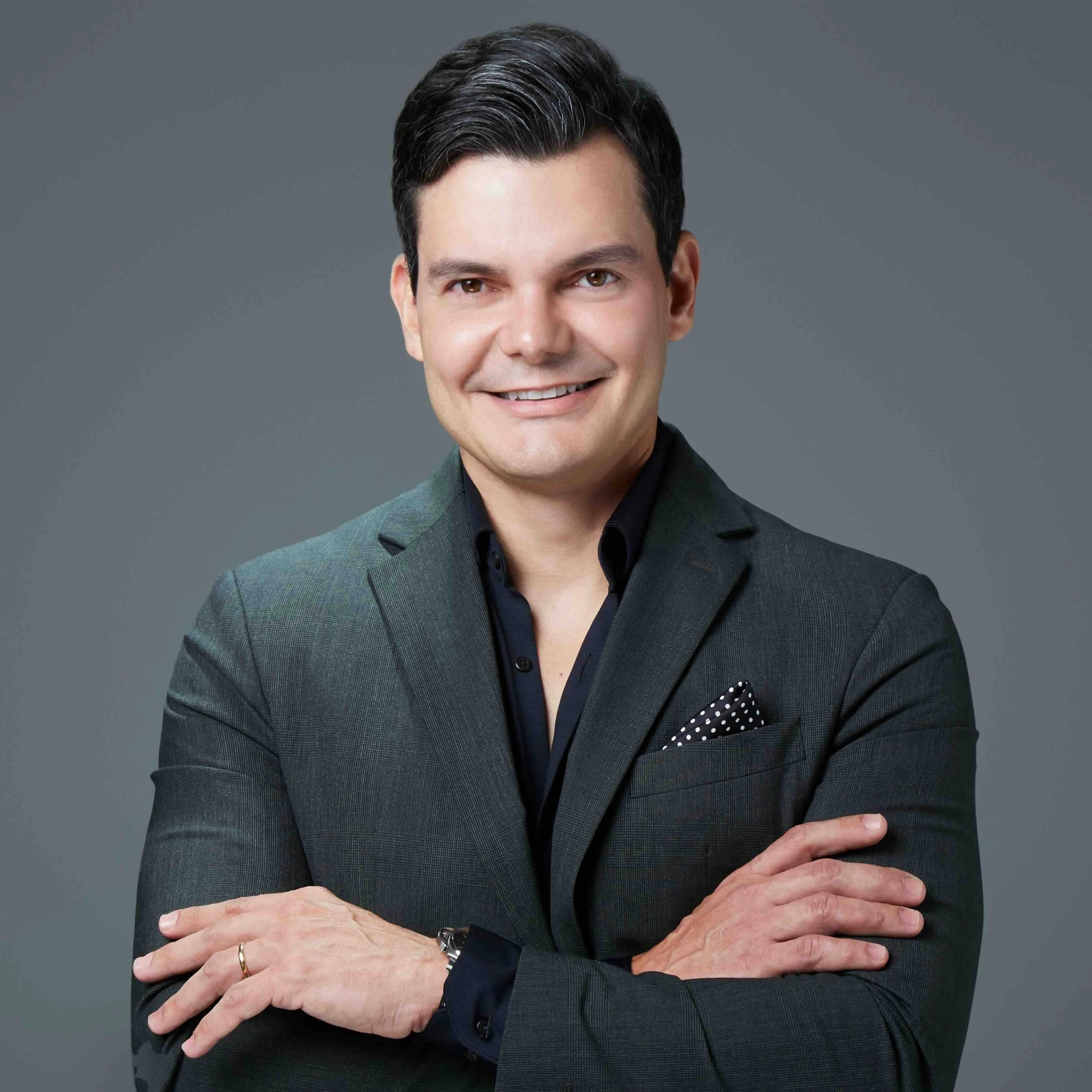
The facelift, or rhytidectomy, is a surgical procedure aimed at rejuvenating the face, smoothing wrinkles, sagging, and restoring facial contour. However, for smokers, this journey towards rejuvenation requires doubled care. Smoking negatively impacts healing and significantly increases risks of complications.
This article explores specific dangers of smoking in relation to facelift and presents Modern Face protocol, developed by Dr. Robério Brandão, to minimize these risks and optimize surgical results in patients who smoke or have smoked.
Understanding Risks: Why is Smoking a Problem for Facelift?
Nicotine and other substances present in cigarettes cause a series of harmful effects that compromise success of a facelift:
- Vasoconstriction: Nicotine narrows blood vessels, reducing blood flow to skin. This hinders arrival of oxygen and essential nutrients for healing.
- Decreased Collagen Production: Smoking interferes with production of collagen, fundamental protein for skin elasticity and firmness.
- Increased Risk of Skin Necrosis: Combination of vasoconstriction and decreased collagen increases risk of necrosis, meaning death of skin tissue, especially in areas where skin is thinner and circulation is already compromised by surgery.
- Poor Quality Scars: Smokers tend to develop thicker, reddish scars with higher probability of keloids.
- Infections: Smoking weakens immune system, making patient more susceptible to post-operative infections.
- Anesthesia Problems: Smokers have higher risk of respiratory complications during anesthesia.
The Modern Face Protocol: Minimizing Risks and Optimizing Results
Dr. Robério Brandão, creator of Modern Face philosophy, developed specific protocol for smoking patients wishing to perform facelift. Goal is to mitigate risks associated with smoking and ensure best possible healing and result.
1. Rigorous Pre-Operative Approach
First step is frank and detailed conversation with patient about risks of smoking and importance of stopping.
- Total Abstinence: Patient must commit to stopping smoking for at least 30 days before surgery. Ideally, they should stop permanently.
- Nicotine Tests: In some cases, urine test may be requested to check for presence of nicotine in patient’s body.
- Multidisciplinary Support: We encourage patient to seek medical and psychological support to assist in process of quitting smoking.
⚠️ CTA: Offer a guide with tips to stop smoking and support resources.
2. Detailed Pre-Operative Evaluation
Complete evaluation is essential to identify additional risk factors and personalize surgical plan.
- Medical History: Investigate other health conditions that may affect healing, such as diabetes and autoimmune diseases.
- Physical Exam: Assess skin quality, presence of previous scars, and blood circulation in face.
- Ultrasound: In patients with history of fillers or biostimulators, ultrasound is fundamental to map presence of fibrosis and plan surgical approach with precision.
3. Minimally Invasive Surgical Technique
Modern Face philosophy prioritizes techniques minimizing surgical trauma and preserving blood circulation in skin.
- Endomidface by Direct Vision: This technique, developed by Dr. Robério Brandão, allows performing midface lift through small incisions and with precise dissection, minimizing tissue damage.
- Local Anesthesia with Sedation: Local anesthesia reduces risk of respiratory complications and allows faster recovery.
- Avoid Excessive Tension: During skin repositioning, it is fundamental to avoid excessive tension, which can compromise circulation and increase risk of necrosis.
- Strategic Incisions: Incisions are planned to follow natural skin lines and minimize scar visibility.
4. Rigorous Post-Operative Care
Post-operative follow-up is crucial to ensure proper healing and prevent complications.
- Rest: Patient should avoid intense physical activities and sudden movements in face during first weeks.
- Dressings: Dressings should be changed regularly, following medical instructions.
- Hygiene: Keeping operated area clean and dry is fundamental to prevent infections.
- Nutrition: Diet rich in proteins, vitamins, and minerals is essential to promote healing.
- Smoking Cessation: Reinforce importance of not smoking during entire recovery period.
- Hyperbaric Chamber: In selected cases, therapy with hyperbaric oxygen can be used to improve tissue oxygenation and accelerate healing.
5. Continuous Monitoring and Early Intervention
Regular medical follow-up is essential to identify and treat any complication early.
- Warning Signs: Patient should be instructed to seek immediate medical attention if presenting signs of infection (redness, swelling, pain, pus), skin necrosis (dark coloration, wounds), or other unusual symptoms.
- Immediate Treatment: If any complication occurs, treatment should be started as soon as possible to minimize damage.
Alternatives to Facelift for Smokers
For patients who cannot or do not want to stop smoking, there are non-surgical alternatives that can provide more subtle facial rejuvenation.
- Hyaluronic Acid Fillers: Fills wrinkles and furrows, restoring lost volume.
- Botulinum Toxin (Botox):: Smooths expression wrinkles, such as crow’s feet and forehead lines.
- Collagen Biostimulators: Stimulate collagen production, improving skin firmness and elasticity.
- Laser and Radiofrequency: Promote skin resurfacing, attenuating fine wrinkles and spots.
It is important to emphasize that these procedures do not provide same results as surgical facelift, but can be option for patients who are not candidates for surgery due to smoking.
The Decision is Yours: Prioritize Health and Lasting Beauty
Facelift can be transformative experience, but for smokers, requires serious commitment to health and well-being. Stopping smoking is fundamental to minimize risks of complications and ensure lasting and satisfactory result.
Remember: your health is most precious asset. When making decision to perform facelift, prioritize healthy lifestyle and strictly follow all medical instructions.
⚠️ CTA: Schedule consultation with Dr. Robério Brandão to discuss your treatment options and learn more about Modern Face protocol for smokers.
Frequently Asked Questions (FAQ)
How long before surgery should I stop smoking?
Ideally, stop smoking at least 30 days before surgery to reduce risks of complications. The longer the abstinence time, the better for healing.
What are the risks of smoking after a facelift?
Smoking after facelift can compromise healing, increase risk of skin necrosis, infections, and harm final result.
Is it possible to have a facelift if I can’t stop smoking?
We do not recommend performing facelift on patients who cannot stop smoking, due to high risk of complications. In these cases, other treatment options may be considered.
Does vaping also harm healing?
Yes, vaping also contains nicotine and other toxic substances that can compromise healing and increase risks of complications.
What extra precautions should I take if I am a smoker and have a facelift?
Besides stopping smoking, it is fundamental to strictly follow all medical instructions, maintain healthy diet, avoid sun exposure, and attend all follow-up appointments.
Is there any way to accelerate healing after a facelift?
In some cases, therapy with hyperbaric oxygen can be used to improve tissue oxygenation and accelerate healing. Consult your doctor to see if this option is suitable for you.
What warning signs should I look for in post-operative?
Seek immediate medical attention if presenting signs of infection (redness, swelling, pain, pus), skin necrosis (dark coloration, wounds), or other unusual symptoms.
What to Expect: Recovery Timeline
Recovery is a journey requiring patience and specific care in each phase. Knowing what to expect helps reduce anxiety and optimize results.
First 24-48 Hours
This is most delicate period. It is normal to present:
- Moderate to intense edema: swelling is maximum in this period
- Bruising: purple spots may appear and are natural part of healing
- Controllable discomfort: pain is generally mild to moderate, controlled with prescribed analgesics
- Need for absolute rest: avoid sudden movements and keep head elevated
First Week (Days 3-7)
From third day, you will start noticing progressive improvements:
- Edema begins to decrease gradually
- Bruises change color (purple → green → yellow)
- Stitches and dressings can be removed as per medical guidance
- Light activities can be resumed with caution
Weeks 2-4
Important transition phase:
- Gradual return to social and professional activities
- Residual edema still present, but less perceptible
- Result begins to define itself, although not yet definitive
- Lymphatic drainage massages may be indicated
Months 1-3
Final result consolidates progressively:
- Tissues settle in definitive position
- Scars mature and become less visible
- Sensitivity gradually returns to normal
- Final result visible between 3-6 months
“Patience is fundamental. Final result of facial procedure can only be evaluated after 6 months, when all tissues have stabilized.” — Dr. Robério Brandão
Essential Questions in Consultation
A well-utilized consultation is fundamental for procedure success. Prepare yourself with right questions.
About Surgeon’s Experience
- “How many procedures similar to my case have you performed?” — Case volume is experience indicator
- “Can I see before and after photos of patients with characteristics similar to mine?” — Real results are best reference
- “What is your specific training in facial surgery?” — Specialization makes difference in results
About Proposed Technique
- “Why do you recommend this specific technique for my case?” — Understand clinical reasoning
- “What are the alternatives and why is this best option?” — Compare approaches
- “Where will scars be and how do they evolve over time?” — Realistic expectations
About Risks and Recovery
- “What are most common risks and how are they managed?” — Transparency is essential
- “How long will I be away from normal activities?” — Adequate planning
- “What type of anesthesia will be used?” — Anesthetic safety
- “What is post-operative follow-up protocol?” — Continuous support
Signs of Good Surgeon
- Answers your doubts clearly and patiently
- Shows real results from previous cases
- Discusses risks transparently
- Does not promise unrealistic results
- Has adequate team and structure
Detailed Post-Operative Care
Procedure success depends as much on surgical technique as on post-operative care.
First Days: Critical Phase
In this phase, small cares make big difference:
- Elevated rest: keep head elevated at 30-45° even when sleeping
- Cold compresses: apply in first 48h to reduce edema
- Rigorous medication: follow exactly prescribed schedules
- Light diet: prefer soft foods and avoid excessive chewing
- Abundant hydration: water helps in tissue recovery
First Week: Intermediate Care
As healing advances:
- Careful hygiene: clean area as directed, without rubbing
- Avoid sun exposure: use hat and sunscreen when necessary to go out
- Gentle facial movements: avoid exaggerated expressions
- Adequate sleep: body recovers mainly during sleep
- Avoid alcohol and tobacco: both harm healing
Weeks 2-4: Gradual Return
Return to activities should be progressive:
- Light activities: short walks are allowed
- Remote work: can be resumed as per comfort
- Light makeup: generally allowed after 2 weeks
- Moderate exercises: only with medical clearance
- Lymphatic drainage: indicated to accelerate recovery
What to Avoid
During entire recovery period:
- Direct sun exposure on operated areas
- Intense physical activities before clearance
- Alcohol consumption in first 2 weeks
- Smoking (ideally stop 4 weeks before and after)
- Non-prescribed anti-inflammatories
- Sudden movements with face
Conclusion
Facelift can be transformative option to rejuvenate face and restore self-esteem. For smokers, success of this procedure depends on serious commitment to health and surgical protocol minimizing risks associated with smoking.
Modern Face philosophy, with its minimally invasive approach and focus on patient safety, offers promising alternative for smokers wishing to perform facelift with natural and long-lasting results.
Remember: decision to perform facelift is personal and must be taken together with qualified and experienced plastic surgeon.
⚠️ Disclaimer This content is educational and represents author’s technical opinion based on documented clinical experience. Surgical decisions must be individualized.
Author: Dr. Robério Brandão, CRM-CE 8596 Last update: January 2026