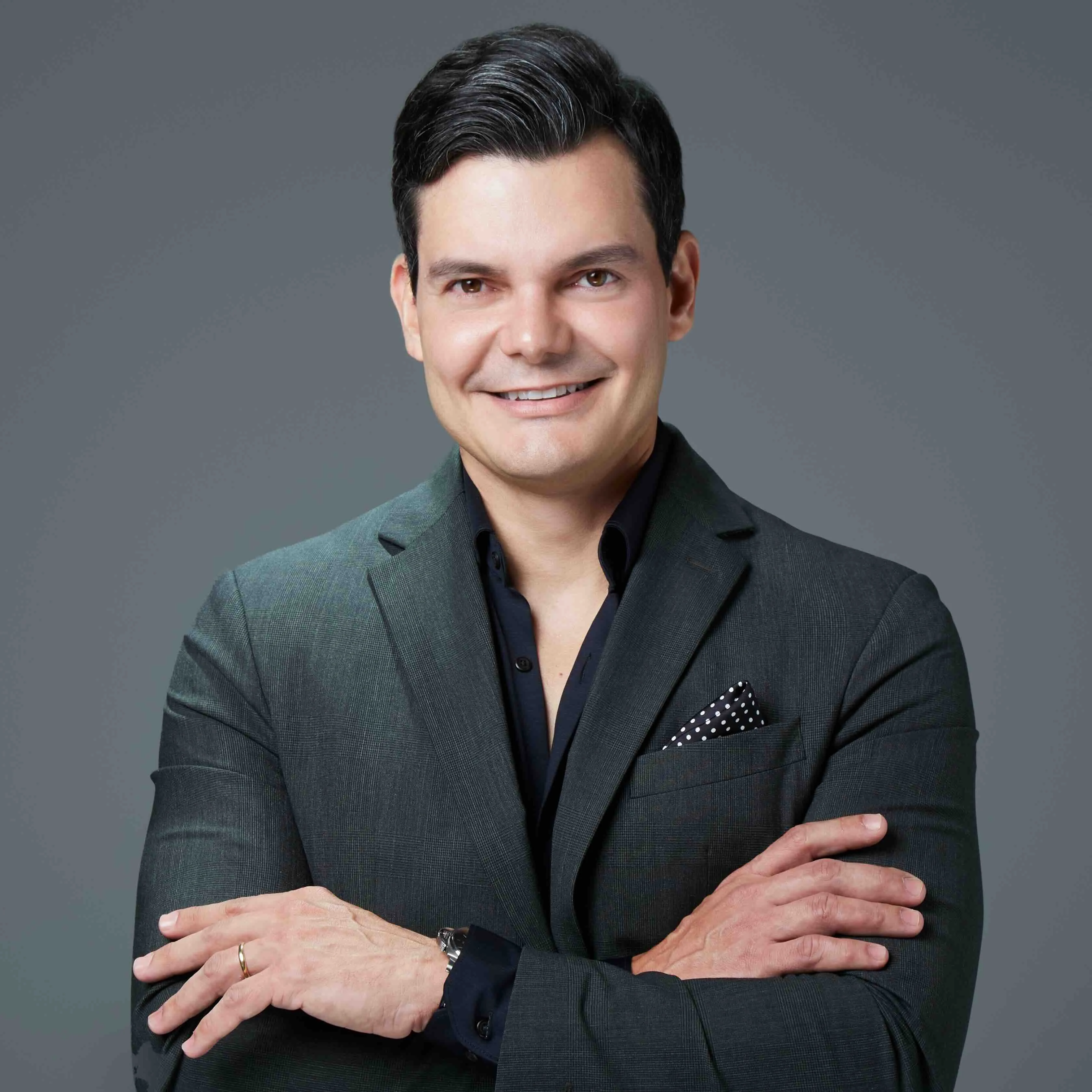
Rejuvenating the face is a common desire, but choosing between a facelift and fillers can generate doubts. Which is the best option for you? This complete guide, with insights from Dr. Robério Brandão, creator of the Modern Face philosophy, will help you understand differences, indications, and results of each procedure.
Understanding nuances between facelift and fillers is crucial to make an informed decision about the best path to achieve your aesthetic goals. Both procedures offer rejuvenation, but act in distinct ways.
What is a Facelift and How Does it Rejuvenate?
A facelift, also known as rhytidectomy, is a surgical procedure aiming to rejuvenate the face by repositioning underlying facial tissues, smoothing wrinkles, and removing excess skin.
Facelift Mechanisms of Action
A facelift acts on different layers of the face to provide complete rejuvenation:
- SMAS Repositioning: The Superficial Musculoaponeurotic System (SMAS) is a layer of tissue supporting skin and facial muscles. A facelift repositions the SMAS, restoring youthful facial contour.
- Excess Skin Removal: Removal of loose excess skin contributes to a firmer and more defined result.
- Wrinkle Smoothing: By repositioning tissues and removing excess skin, a facelift smooths wrinkles and expression lines.
Types of Facelift
There are different types of facelifts, each with its particularities:
- Classic Facelift: More comprehensive approach, treating face, neck, and jawline region.
- Mini Facelift: Less invasive procedure, with smaller incisions and faster recovery, ideal for mild to moderate sagging cases.
- Midface Lift (Endomidface): Focused on cheekbones and nasolabial fold region. The Endomidface technique, created by Dr. Robério Brandão, provides natural and long-lasting results.
- Neck Lift (Deep Neck): Concentrated on neck region, treating sagging, double chin, and excess fat. The Deep Neck, as performed by Dr. Robério, seeks a defined contour without removing the submandibular gland.
Modern Face Philosophy and Facelift
In Dr. Robério Brandão’s Modern Face philosophy, a facelift is more than a surgical procedure; it is an art seeking harmony and naturalness. The philosophy prioritizes:
- Natural Results: Avoiding artificial and “stretched” look is fundamental.
- Minimal Invasiveness: Minimally invasive techniques, like Endomidface, are prioritized to reduce recovery time and risks.
- Long-Lasting Results: Repositioning underlying facial tissues ensures a longer-lasting result than simply “pulling” the skin.
Ideal Candidates for Facelift
A facelift is indicated for people presenting:
- Skin sagging on face and neck
- Facial volume loss
- Deep wrinkles and expression lines
- Platysmal bands (neck cords)
It is important to emphasize that a facelift does not prevent aging, but rejuvenates the face, providing a younger and well-rested appearance.
What are Facial Fillers and How Do They Rejuvenate?
Facial fillers are non-surgical aesthetic procedures using injectable substances to restore lost facial volume, smooth wrinkles, and improve face contour.
Facial Fillers Mechanisms of Action
Facial fillers act in various ways to rejuvenate the face:
- Volume Replacement: Fill areas that lost volume with aging, like cheekbones, temples, and chin.
- Wrinkle Smoothing: Fill wrinkles and expression lines, like nasolabial folds (smile lines) and marionette lines.
- Contour Improvement: Define facial contour, enhancing cheekbones, jawline, and lips.
- Collagen Stimulation: Some fillers, like poly-L-lactic acid (Sculptra), stimulate collagen production, improving skin quality long-term.
Types of Facial Fillers
There are various types of facial fillers available, each with its characteristics and indications:
- Hyaluronic Acid: Most widely used filler, being biocompatible and reversible. Offers natural results and can be used in various face areas.
- Calcium Hydroxyapatite: Stimulates collagen production, providing a lifting effect and improving skin quality.
- Poly-L-Lactic Acid (Sculptra): Stimulates collagen production, providing a gradual and long-lasting rejuvenation effect.
- Autologous Fat (Fat Grafting): Uses patient’s own fat to fill face areas. It is a more invasive procedure, but offers natural and long-lasting results.
Ideal Candidates for Facial Fillers
Facial fillers are indicated for people who wish to:
- Restore lost facial volume
- Smooth wrinkles and expression lines
- Improve facial contour
- Rejuvenate face non-surgically
It is important to emphasize that facial fillers do not treat skin sagging, being more indicated for volume loss and wrinkle cases.
Facelift vs Fillers: Which is the Best Option for You?
Choosing between facelift and fillers depends on various factors, such as:
- Degree of skin sagging: If sagging is mild to moderate, fillers may be sufficient. If severe, facelift is more indicated.
- Facial volume: If goal is restoring lost volume, fillers are best option.
- Type of wrinkles: Fillers are effective for fine and superficial wrinkles. For deep wrinkles, facelift may be more suitable.
- Duration of results: Facelift offers longer-lasting results, while fillers need to be reapplied periodically.
- Recovery time: Facelift recovery is longer than fillers.
- Costs: Facelift generally has higher cost than fillers.
| Feature | Facelift | Facial Filler |
|---|---|---|
| Main Goal | Treat skin sagging, reposition tissues | Restore volume, smooth wrinkles |
| Procedure Type | Surgical | Non-surgical (injectable) |
| Results Duration | 10 to 15 years | 6 to 18 months |
| Recovery Time | Longer (2 to 4 weeks) | Shorter (few days) |
| Costs | Higher | More accessible |
| Sagging Treatment | Effective | Does not treat sagging, only improves volume |
| Volume Increase | Limited | Effective |
| Risks | Higher (surgical complications) | Lower (allergic reactions, bruising) |
The Modern Face Personalized Approach
At Modern Face, choice between facelift and fillers is individualized, considering needs and expectations of each patient.
“Each face is unique, and treatment approach must be personalized to achieve best results”, states Dr. Robério Brandão.
In some cases, combining facelift and fillers may be best option for complete and harmonious rejuvenation.
Facial Aging: How to Choose the Ideal Treatment
To make best decision, it is fundamental to understand how face ages and what signs bother you most.
Aging Signs and Solutions
- Skin Sagging: Facelift is best option to treat sagging, as it repositions tissues and removes excess skin.
- Volume Loss: Fillers are ideal to restore lost volume in areas like cheekbones, temples, and lips.
- Wrinkles and Expression Lines: Fillers smooth fine and superficial wrinkles, while facelift treats deep wrinkles and expression lines.
- Double Chin and Neck Contour Loss: Neck lift (Deep Neck) is best option to treat double chin and neck sagging, restoring facial contour.
Importance of Professional Evaluation
Decision on best treatment for you should be made together with an experienced plastic surgeon. Dr. Robério Brandão, for example, performs detailed evaluation of each patient to indicate most suitable procedure, considering:
- Facial anatomy
- Aging degree
- Patient expectations
- Medical history
Innovative Techniques and Modern Face Philosophy
Dr. Robério Brandão is a pioneer in innovative facial rejuvenation techniques, such as Endomidface by Direct Vision and Deep Neck without submandibular gland removal.
Endomidface by Direct Vision
This minimally invasive technique repositions midface, lifting cheekbones and smoothing nasolabial fold. Direct Vision allows surgeon to work with greater precision and safety, without need for complex equipment.
“Endomidface by Direct Vision is a safe and effective technique to rejuvenate midface, providing natural and long-lasting results”, states Dr. Robério Brandão.
Deep Neck without Submandibular Gland Removal
This innovative technique rejuvenates neck, defining contour and eliminating double chin, without need to remove submandibular gland.
“We believe it is possible to achieve excellent results in neck without need for invasive and risky procedures”, explains Dr. Robério Brandão.
What to Expect: Recovery Timeline
Recovery is a journey requiring patience and specific care in each phase. Knowing what to expect helps reduce anxiety and optimize results.
First 24-48 Hours
This is most delicate period. It is normal to present:
- Moderate to intense edema: swelling is maximum in this period
- Bruising: purple spots may appear and are natural part of healing
- Controllable discomfort: pain is generally mild to moderate, controlled with prescribed analgesics
- Need for absolute rest: avoid sudden movements and keep head elevated
First Week (Days 3-7)
From third day, you will start noticing progressive improvements:
- Edema begins to decrease gradually
- Bruises change color (purple → green → yellow)
- Stitches and dressings can be removed as per medical guidance
- Light activities can be resumed with caution
Weeks 2-4
Important transition phase:
- Gradual return to social and professional activities
- Residual edema still present, but less perceptible
- Result begins to define itself, although not yet definitive
- Lymphatic drainage massages may be indicated
Months 1-3
Final result consolidates progressively:
- Tissues settle in definitive position
- Scars mature and become less visible
- Sensitivity gradually returns to normal
- Final result visible between 3-6 months
“Patience is fundamental. Final result of facial procedure can only be evaluated after 6 months, when all tissues have stabilized.” — Dr. Robério Brandão
Conclusion
Choice between facelift and fillers is personal decision that should be made together with experienced plastic surgeon. If you seek long-lasting rejuvenation with natural results, facelift may be best option. If you wish to restore facial volume and smooth wrinkles non-surgically, fillers may be right choice.
Remember that Modern Face prioritizes individuality of each patient, seeking ideal treatment to achieve your aesthetic goals with safety and naturalness.
Schedule your consultation with Dr. Robério Brandão and discover best path to rejuvenate your face!
Related Content
FAQ (Frequently Asked Questions)
How long do facelift results last?
Facelift results can last 10 to 15 years, depending on factors such as genetics, lifestyle, and skincare.
How long do facial filler results last?
Facial filler results vary from 6 to 18 months, depending on the type of filler and patient metabolism.
Does a facelift leave scars?
Yes, a facelift leaves scars, but they are generally discreet and well-positioned, such as in the hairline or behind the ears.
Are facial fillers painful?
Facial filler application usually involves local anesthesia to minimize discomfort.
What is the best option for treating skin sagging?
Facelift is the best option for treating skin sagging, as it repositions tissues and removes excess skin.
What is the best option for increasing facial volume?
Facial fillers are the best option for increasing facial volume in areas like cheekbones, lips, and chin.
What is the Modern Face philosophy?
Modern Face is a surgical philosophy seeking natural and long-lasting results, with minimally invasive techniques and optimized recovery.
⚠️ Disclaimer
This content is educational and represents author’s technical opinion based on documented clinical experience. Surgical decisions must be individualized.
Author: Dr. Robério Brandão, CRM-CE 8596 Last update: December 2025