The year 2025 promises to be a milestone in facial surgery, driven by technological advances, new techniques, and a growing search for natural and minimally invasive results. Patients and surgeons are increasingly aware of the importance of preserving individuality and facial harmony, seeking solutions offering rejuvenation without the stigmas of an evident surgical procedure.
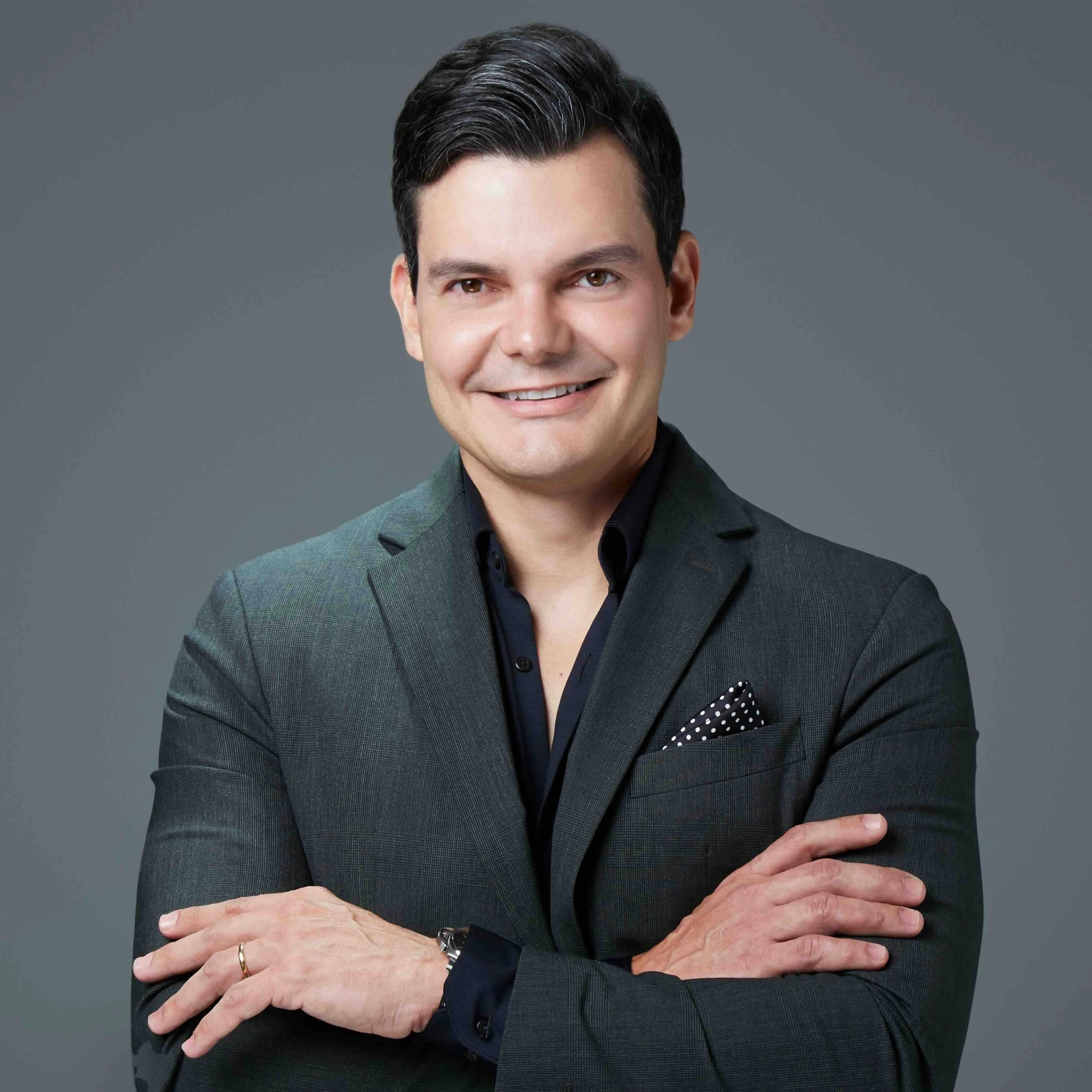
In this article, Dr. Robério Brandão, creator of the Modern Face philosophy and specialist in innovative facial rejuvenation techniques, shares his perspectives on the main trends that will shape facial surgery in 2025. Prepare for an immersion into the future of facial rejuvenation, where safety, naturalness, and personalization unite to offer exceptional results.
1. The Quest for Naturalness and Individuality
The strongest trend for 2025 is the growing demand for results highlighting each individual’s natural beauty, respecting their unique characteristics and avoiding artificial appearance. Patients don’t just want to look younger, but rather the best version of themselves, with rejuvenation harmonizing with their bone structure, skin type, and personality.
This quest for naturalness requires a more attentive and individualized look from the surgeon, who must go beyond simple wrinkle and sagging correction, seeking an aesthetic balance valuing each patient’s intrinsic beauty. The Modern Face philosophy, created by Dr. Robério Brandão, personifies this approach, prioritizing facial harmony and individuality in each procedure.
Modern Face relies on deep facial anatomy knowledge, a keen eye for proportions, and commitment to minimally invasive techniques preserving result naturalness. We believe beauty lies in individuality, and our goal is to enhance this individuality, offering rejuvenation harmonizing with each patient’s essence.
1.1. Importance of Individualized Assessment
The key to achieving natural and individualized results lies in thorough pre-operative assessment, considering not only patient complaints but also anatomical characteristics, skin type, expectations, and lifestyle.
This assessment should include:
- Detailed analysis of facial bone structure
- Evaluation of skin quality and presence of sagging
- Identification of volume loss areas and wrinkles
- Open and honest discussion with patient about expectations and goals
- Review of previous aesthetic procedures history (fillers, biostimulators, etc.)
Based on this individualized assessment, the surgeon can define the most appropriate treatment plan, which may involve combining different surgical and non-surgical techniques to achieve a harmonious and natural result.
1.2. Microstructures and Importance of Analysis
Understanding facial microstructures is essential to perform procedures respecting each patient’s individual anatomy and providing natural and long-lasting results. Facial ligaments, fat compartments, and muscle layers play a fundamental role in facial support and expression, and their careful manipulation is crucial to avoid artificial and unwanted results.
2. Minimally Invasive Techniques and Optimized Recovery
In 2025, minimally invasive techniques will continue to gain popularity, driven by patient desire for procedures with shorter recovery time, discreet scars, and more natural results. Advances in technology and surgical technique refinement have allowed surgeons to perform increasingly complex procedures with smaller incisions and less tissue trauma.
2.1. Direct Vision Endomidface: The Future of Facelift
The Direct Vision Endomidface technique, developed by Dr. Robério Brandão, represents a major breakthrough in minimally invasive facial rejuvenation surgery. This technique allows performing a complete facelift, addressing the midface with discreet incisions and optimized recovery.
The Direct Vision Endomidface technique offers several advantages over traditional techniques:
- Smaller incisions: The technique uses discreet incisions in the temporal region, hidden under hair.
- Faster recovery: Less tissue trauma results in shorter recovery time and less discomfort for patient.
- Natural results: The technique allows precise facial tissue repositioning, providing natural and harmonious result.
- Safety: Direct Vision Endomidface is performed in a safe anatomical plane, minimizing risk of facial nerve damage.
The Direct Vision Endomidface technique allows entering the mobile SMAS, but anteriorly, without passing through fixed SMAS, like Deep Plane. The advantage is that nowadays people use biostimulators extensively, and most of these products are injected into fixed SMAS, here on cheek closer to ear. So whoever enters SMAS through this path will find much more difficulty than whoever enters from above through Endomidface.
2.2. Other Rising Minimally Invasive Techniques
Besides Direct Vision Endomidface, other minimally invasive techniques will also be on the rise in 2025, such as:
- Mini-facelift: Ideal for patients with mild to moderate sagging in jawline and neck region, mini-facelift uses smaller incisions and limited tissue detachment to provide natural result with quick recovery.
- Thread lift: Suspension threads continue to be popular option for patients seeking subtle and non-surgical rejuvenation. New threads, with improved technologies, offer greater durability and more predictable results.
- Laserlift: Laserlift uses laser energy to stimulate collagen production and promote lifting effect on skin, reducing wrinkles, sagging, and improving skin texture.
3. Personalization and Predictive Medicine
Facial surgery in 2025 will be increasingly personalized and predictive, driven by advances in technology and understanding of genetics and aging. Surgeons will have more precise and sophisticated diagnostic tools available, allowing prediction of each patient’s aging evolution and planning treatment tailored to their needs and goals.
3.1. Genetics and Future of Rejuvenation
Genetic analysis will allow identifying individual predispositions for aging, such as collagen loss, wrinkle formation, and skin sagging. Based on this information, surgeons can recommend preventive and personalized treatments aiming to slow aging process and preserve each patient’s natural beauty.
3.2. Technology favoring Surgical Precision
3D imaging technologies, augmented reality, and artificial intelligence will be increasingly present in surgical planning, allowing surgeons to visualize final procedure result even before making incision. These tools assist in making more precise and informed decisions, minimizing risk of unwanted results and increasing patient satisfaction.
4. Rise of Telemedicine and Remote Monitoring
Telemedicine and remote monitoring are already reality in various medical fields, and in 2025 will be even more integrated into facial surgery. Online consultations, remote vital sign monitoring, and post-operative follow-up via apps and wearable devices will allow surgeons to follow their patients more efficiently and personally, ensuring safer and comfortable recovery.
4.1. Advantages of Telemedicine in Post-Op
- Facilitated access to surgeon: Patients can ask questions and receive guidance without needing to travel to clinic, saving time and money.
- Remote monitoring: Wearables and apps will allow surgeons to monitor vital signs, pain levels, and other important recovery indicators, identifying possible complications early.
- Treatment personalization: Based on data collected remotely, surgeons can adjust each patient’s treatment plan, optimizing recovery and minimizing side effect risks.
5. Holistic View and Patient Well-Being
In 2025, facial surgery will be increasingly viewed as part of integral well-being process, involving not only aesthetic imperfection correction but also promoting patient’s physical and mental health. Surgeons will be more attentive to emotional and psychological aspects of their patients, offering support and follow-up to ensure positive and transformative experience.
5.1. Importance of Mental Health
Studies have shown aesthetic surgery can have significant impact on self-esteem and quality of life, but can also trigger anxiety, depression, and other emotional disorders in some cases. Therefore, it is fundamental surgeons are prepared to identify and deal with these issues, offering psychological support and referring patients to specialized professionals when necessary.
5.2. Quest for Balance
Facial surgery in 2025 will be about finding balance between physical appearance and emotional well-being, promoting transformation going beyond surface, touching soul and essence of each individual.
Results and Statistics
Objective data helps establish realistic expectations about the procedure.
Durability of Results
Result longevity depends on multiple factors:
| Factor | Impact on Durability |
|---|---|
| Technique used | High — deep plane lasts longer |
| Skin quality | Moderate — firmer skin maintains better |
| Sun exposure | High — sun accelerates aging |
| Smoking | High — smoking harms significantly |
| Stable weight | Moderate — fluctuations affect result |
| Genetics | Moderate — individual predisposition |
Modern Face Clinical Series Data
- More than 1,000 facial surgeries without any irreversible motor nerve injury
- Average recovery time: 10-14 days
- Return to work: 7-10 days (average)
What to Expect Realistically
- Immediate: visible improvement, but with edema
- 30 days: result in development
- 90 days: almost definitive result
- 6 months: final stabilized result
“Numbers are important, but each face is unique. Statistics guide expectations, but individual planning determines result.” — Dr. Robério Brandão
Essential Questions in Consultation
A well-utilized consultation is fundamental for procedure success. Prepare yourself with right questions.
About Surgeon’s Experience
- “How many procedures similar to my case have you performed?” — Case volume is experience indicator
- “Can I see before and after photos of patients with characteristics similar to mine?” — Real results are best reference
- “What is your specific training in facial surgery?” — Specialization makes difference in results
About Proposed Technique
- “Why do you recommend this specific technique for my case?” — Understand clinical reasoning
- “What are the alternatives and why is this best option?” — Compare approaches
- “Where will scars be and how do they evolve over time?” — Realistic expectations
About Risks and Recovery
- “What are most common risks and how are they managed?” — Transparency is essential
- “How long will I be away from normal activities?” — Adequate planning
- “What type of anesthesia will be used?” — Anesthetic safety
- “What is post-operative follow-up protocol?” — Continuous support
Signs of Good Surgeon
- Answers your doubts clearly and patiently
- Shows real results from previous cases
- Discusses risks transparently
- Does not promise unrealistic results
- Has adequate team and structure
Conclusion
Facial surgery trends for 2025 point to a future where naturalness, safety, personalization, and patient well-being will be pillars of increasingly innovative and transformative surgical practice. Dr. Robério Brandão and Modern Face philosophy are at forefront of this evolution, offering techniques and protocols allowing surgeons to achieve exceptional results with safety and predictability.
If you are a plastic surgeon and wish to stay updated with latest facial surgery trends and master most innovative and safe techniques, we invite you to know Modern Face course, where Dr. Robério Brandão shares his experience and knowledge to transform your practice and elevate your result standard.
Related Content
- Direct Vision Endomidface: Complete Guide
- Modern Face: Concept and Philosophy
- SMAS Anatomy: Fundamentals for Surgeons
⚠️ Disclaimer
This content is educational and represents author’s technical opinion based on documented clinical experience. Surgical decisions must be individualized.
Author: Dr. Robério Brandão, CRM-CE 8596 Last update: January 2026