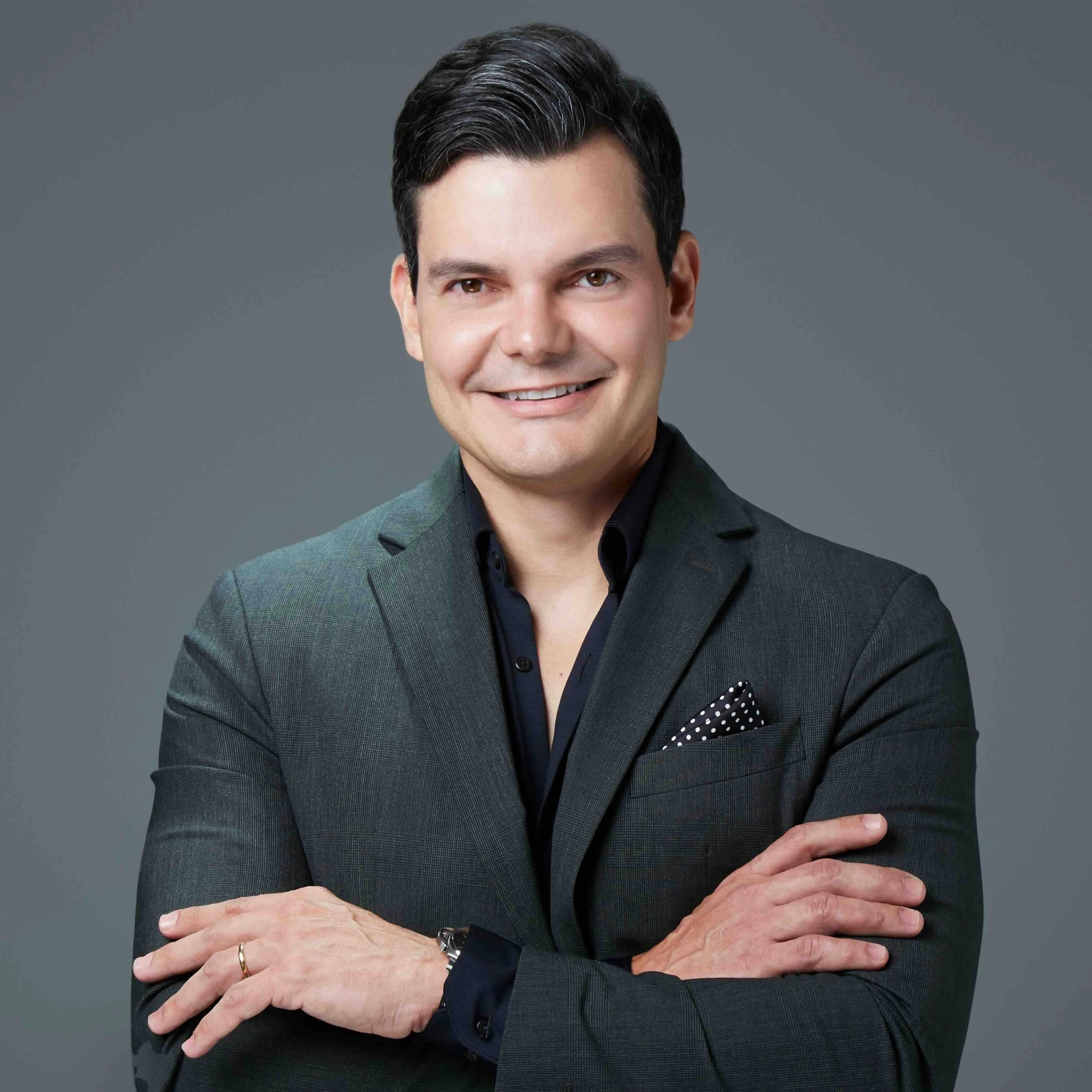
At 50, time leaves its marks: skin loses elasticity, facial volume decreases, and the first wrinkles deepen. If you look in the mirror and feel that your appearance no longer reflects your energy and vitality, a facelift can be a solution to rejuvenate your face naturally and lastingly. This complete guide, based on Dr. Robério Brandão’s Modern Face philosophy, will help you understand everything about the first facelift at 50: techniques, results, recovery, and what to expect.
Why Consider a Facelift at 50?
At 50, changes in the face become more evident due to factors such as:
- Collagen and Elastin Loss: Production of these essential proteins decreases, resulting in sagging and wrinkles.
- Facial Volume Reduction: Facial fat, which previously filled and supported the skin, begins to decrease, causing a more aged appearance.
- Gravity Action: Over the years, gravity pulls tissues downward, accentuating sagging and groove formation.
- Sun Exposure and Habits: External factors like excessive sun exposure and habits like smoking accelerate the aging process.
In this context, the facelift emerges as an option to restore youthfulness and facial harmony.
What is a Modern Facelift?
Facelifts have evolved significantly over the years. Modern techniques, such as Dr. Robério Brandão’s Modern Face, prioritize natural and long-lasting results, minimizing risks and recovery time.
The Modern Face Philosophy
Modern Face is not just a technique, but a philosophy that seeks:
- Structural Rejuvenation: Act on deep layers of the face (muscles and fat) to reposition tissues and restore lost volume.
- Natural Results: Avoid the artificial “stretched face” look, preserving individual characteristics and facial expressiveness.
- Optimized Recovery: Minimize recovery time and post-operative discomfort.
- Non-Negotiable Safety: Prioritize techniques that reduce complication risks.
“The goal is not to create followers, it is to form masters.” - Dr. Robério Brandão
Most Used Techniques
- Endomidface by Direct Vision: A minimally invasive technique that lifts the midface, repositioning cheeks and softening the nasolabial fold.
- Browlift (Forehead Lift): Lifts eyebrows, softening forehead wrinkles and improving eye appearance.
- Deep Neck: Defines neck contour, eliminating double chin and sagging.
- Fat Grafting: Restores lost facial volume, filling areas such as cheekbones and temples.
How to Choose the Right Technique For You?
Choosing the ideal technique depends on individual assessment, considering your goals, facial characteristics, and expectations.
Personalized Assessment
The first step is to consult an experienced and qualified plastic surgeon, who will:
- Analyze your face: Evaluate bone structure, skin quality, fat distribution, and facial musculature.
- Understand your goals: Discuss your expectations and what you wish to achieve with the facelift.
- Recommend the most appropriate technique: Present treatment options and explain benefits and limitations of each.
Combined Techniques
In many cases, combining different techniques is necessary to achieve a harmonious and balanced result. For example:
- Endomidface + Browlift: Ideal for those seeking to rejuvenate upper and midface, lifting eyebrows and repositioning cheeks.
- Facelift + Deep Neck: Indicated for those wishing to redefine face and neck contour, eliminating sagging and double chin.
Endomidface by Direct Vision: The Innovative Modern Face Technique
Endomidface by Direct Vision, developed by Dr. Robério Brandão, is a minimally invasive technique offering remarkable results with reduced recovery time.
What is Endomidface by Direct Vision?
- Superior Access: Technique uses incision in temporal region (hidden in hair) to access deep layers of face.
- Direct Vision: Unlike traditional endoscopy, surgeon visualizes structures directly, without aid of cameras or monitors, allowing greater precision and control.
- Midface Rejuvenation: Lifts cheeks, softens nasolabial fold, and improves facial contour.
Advantages of Endomidface by Direct Vision
- Natural Results: Technique preserves facial expressiveness and avoids artificial “stretched face” look.
- Rapid Recovery: Recovery time is significantly shorter compared to traditional techniques, allowing you to resume activities in a few days.
- Enhanced Safety: Technique minimizes risks of nerve injuries and other complications.
- Minimal Scars: Incision is small and stays hidden in hair.
- Ideal for Faces with Biostimulators: Technique bypasses fibrosis area caused by biostimulators, ensuring safer and more predictable result.
“With the right map, risk drops drastically.” - Dr. Robério Brandão
What to Expect from Recovery
Recovery from a modern facelift is generally faster and more comfortable than traditional techniques.
- First Days: Rest, cold compresses, and medications to control pain and swelling.
- First Week: Gradual return to light activities.
- First Weeks: Avoid sun exposure, intense physical activities, and aesthetic treatments.
- Final Results: Final results begin to be noticed after a few weeks, with continuous improvement over following months.
Costs and Financial Considerations
The cost of a facelift varies depending on technique used, surgeon experience, and geographic region. It is important to talk to your surgeon about costs involved and available financing options.
Finding a Qualified Surgeon
Choosing a surgeon is crucial for your facelift success. Look for a professional who:
- Is certified by Brazilian Society of Plastic Surgery (SBCP) or equivalent board in your country.
- Has proven experience in facelifts.
- Presents satisfactory results from other patients.
- Transmits confidence and safety.
- Uses modern techniques and prioritizes patient safety.
Frequently Asked Questions (FAQ)
What is the best age to have a facelift?
There is no “right” age, but 50 is a turning point for many people, making a facelift an option to consider.
Does a facelift at 50 leave an artificial look?
No, if performed with modern techniques like Modern Face, which prioritize natural results and preservation of individual characteristics.
How long does a facelift performed at 50 last?
Durability varies, but with correct techniques and proper care, results can be maintained for 10 years or more.
What post-operative care is necessary after a facelift?
Rest, avoiding sun exposure, following medical guidelines, and performing lymphatic drainage sessions are crucial for successful recovery.
Is it possible to combine a facelift with other procedures?
Yes, it is common to combine a facelift with other procedures like blepharoplasty or fat grafting for more complete rejuvenation.
Is Endomidface by Direct Vision indicated for those with biostimulators?
Yes, the Endomidface by Direct Vision technique is especially indicated for patients with a history of biostimulators, as it bypasses the fibrosis area, reducing the risk of complications.
Essential Questions in Consultation
A well-utilized consultation is fundamental for procedure success. Prepare yourself with right questions.
About Surgeon’s Experience
- “How many procedures similar to my case have you performed?” — Case volume is experience indicator
- “Can I see before and after photos of patients with characteristics similar to mine?” — Real results are best reference
- “What is your specific training in facial surgery?” — Specialization makes difference in results
About Proposed Technique
- “Why do you recommend this specific technique for my case?” — Understand clinical reasoning
- “What are the alternatives and why is this best option?” — Compare approaches
- “Where will scars be and how do they evolve over time?” — Realistic expectations
About Risks and Recovery
- “What are most common risks and how are they managed?” — Transparency is essential
- “How long will I be away from normal activities?” — Adequate planning
- “What type of anesthesia will be used?” — Anesthetic safety
- “What is post-operative follow-up protocol?” — Continuous support
Signs of Good Surgeon
- Answers your doubts clearly and patiently
- Shows real results from previous cases
- Discusses risks transparently
- Does not promise unrealistic results
- Has adequate team and structure
Post-Operative Warning Signs
Knowing warning signs allows early identification of any complication and quick action.
When to Seek Surgeon Immediately
Some signs require urgent medical evaluation:
- Active bleeding that does not cease with light compression for 10-15 minutes
- Fever above 38°C, especially if accompanied by chills
- Intense and sudden pain not controlled with prescribed medication
- Abrupt asymmetry — much larger swelling on one side may indicate hematoma
- Skin color change — paleness or darkening in specific areas
- Purulent discharge with unpleasant odor
Normal Signs (Do Not Worry)
These symptoms are expected and do not require concern:
- Moderate edema in first days, especially in morning
- Ecchymosis (purple spots) that change color progressively
- Temporary tingling or numbness in operated area
- Pulling sensation as tissues heal
- Small temporary asymmetries due to irregular edema
- Difficulty smiling or moving face in first days
Safety Protocol
In case of doubt, follow this protocol:
- Document — take photos and note symptoms
- Contact — call surgeon’s team
- Do not self-medicate — avoid non-prescribed medications
- Keep calm — most complications are manageable
“In Modern Face, each patient receives a direct communication channel for emergencies. Safety is not luxury, is priority.” — Dr. Robério Brandão
Detailed Post-Operative Care
Procedure success depends as much on surgical technique as on post-operative care.
First Days: Critical Phase
In this phase, small cares make big difference:
- Elevated rest: keep head elevated at 30-45° even when sleeping
- Cold compresses: apply in first 48h to reduce edema
- Rigorous medication: follow exactly prescribed schedules
- Light diet: prefer soft foods and avoid excessive chewing
- Abundant hydration: water helps in tissue recovery
First Week: Intermediate Care
As healing advances:
- Careful hygiene: clean area as directed, without rubbing
- Avoid sun exposure: use hat and sunscreen when necessary to go out
- Gentle facial movements: avoid exaggerated expressions
- Adequate sleep: body recovers mainly during sleep
- Avoid alcohol and tobacco: both harm healing
Weeks 2-4: Gradual Return
Return to activities should be progressive:
- Light activities: short walks are allowed
- Remote work: can be resumed as per comfort
- Light makeup: generally allowed after 2 weeks
- Moderate exercises: only with medical clearance
- Lymphatic drainage: indicated to accelerate recovery
What to Avoid
During entire recovery period:
- Direct sun exposure on operated areas
- Intense physical activities before clearance
- Alcohol consumption in first 2 weeks
- Smoking (ideally stop 4 weeks before and after)
- Non-prescribed anti-inflammatories
- Sudden movements with face
Results and Statistics
Objective data helps establish realistic expectations about procedure.
Durability of Results
Longevity of results depends on multiple factors:
| Factor | Impact on Durability |
|---|---|
| Technique used | High — deep plane lasts longer |
| Skin quality | Moderate — firmer skin maintains better |
| Sun exposure | High — sun accelerates aging |
| Smoking | High — smoking significantly harms |
| Stable weight | Moderate — fluctuations affect result |
| Genetics | Moderate — individual predisposition |
Modern Face Clinical Series Data
- More than 1,000 facial surgeries without any irreversible motor nerve injury
- Average recovery time: 10-14 days
- Return to work: 7-10 days (average)
What to Expect Realistically
- Immediate: visible improvement, but with edema
- 30 days: result developing
- 90 days: result almost definitive
- 6 months: final result stabilized
“Numbers are important, but each face is unique. Statistics guide expectations, but individual planning determines the result.” — Dr. Robério Brandão
Myths vs Reality
There are many misconceptions about facial procedures. Let’s clarify main myths.
Myth 1: “I’ll look like plastic”
Reality: Modern techniques like Modern Face prioritize natural results. Famous “stretched look” was characteristic of old techniques that only pulled skin. Contemporary approaches reposition deep structures, preserving expressiveness and naturalness.
Myth 2: “It’s only for older people”
Reality: There is no right age — there is indication. Patients aged 35-40 can benefit from preventive procedures, while others only seek intervention at 60+. Assessment must be individualized.
Myth 3: “Recovery is too long”
Reality: With minimally invasive techniques, many patients return to social activities in 10-14 days. Complete recovery takes months, but impact on daily life is temporary.
Myth 4: “Any plastic surgeon can do it”
Reality: Facial surgery is a subspecialty. Just as cardiologists specialize in different areas of heart, plastic surgeons can focus on face, body, breasts, etc. Specific experience makes difference.
Myth 5: “Fillers replace surgery”
Reality: They are complementary approaches, not substitutes. Fillers treat volume, but do not correct significant sagging. Each technique has specific indications.
Myth 6: “After facelift I can’t do anything else”
Reality: Well-executed procedures allow future revisions if necessary. Anatomy is preserved, facilitating subsequent interventions.
“Quality information is best antidote against fear. The more patient understands procedure, smoother is their journey.” — Dr. Robério Brandão
Conclusion
First facelift at 50 can be a transformative journey, restoring your youthfulness and self-confidence. By choosing a qualified surgeon and modern technique like Modern Face, you will be on right track for natural and long-lasting rejuvenation.
Are you ready to take next step? Schedule a consultation with Dr. Robério Brandão and discover how Modern Face can help you rejuvenate safely and naturally.
Related Content
- Endomidface: The Complete Guide
- Modern Face: The Philosophy of Natural Rejuvenation
- Facelift: Everything You Need to Know
⚠️ Disclaimer
This content is educational and represents author’s technical opinion based on documented clinical experience. Surgical decisions must be individualized.
Author: Dr. Robério Brandão, CRM-CE 8596 Last update: January 2026