The facelift, also known as rhytidoplasty, is a surgical procedure aimed at rejuvenating the face’s appearance by correcting skin sagging, smoothing wrinkles, and restoring more youthful contours. One of the most frequent questions among patients considering this surgery is: how long do the results last?
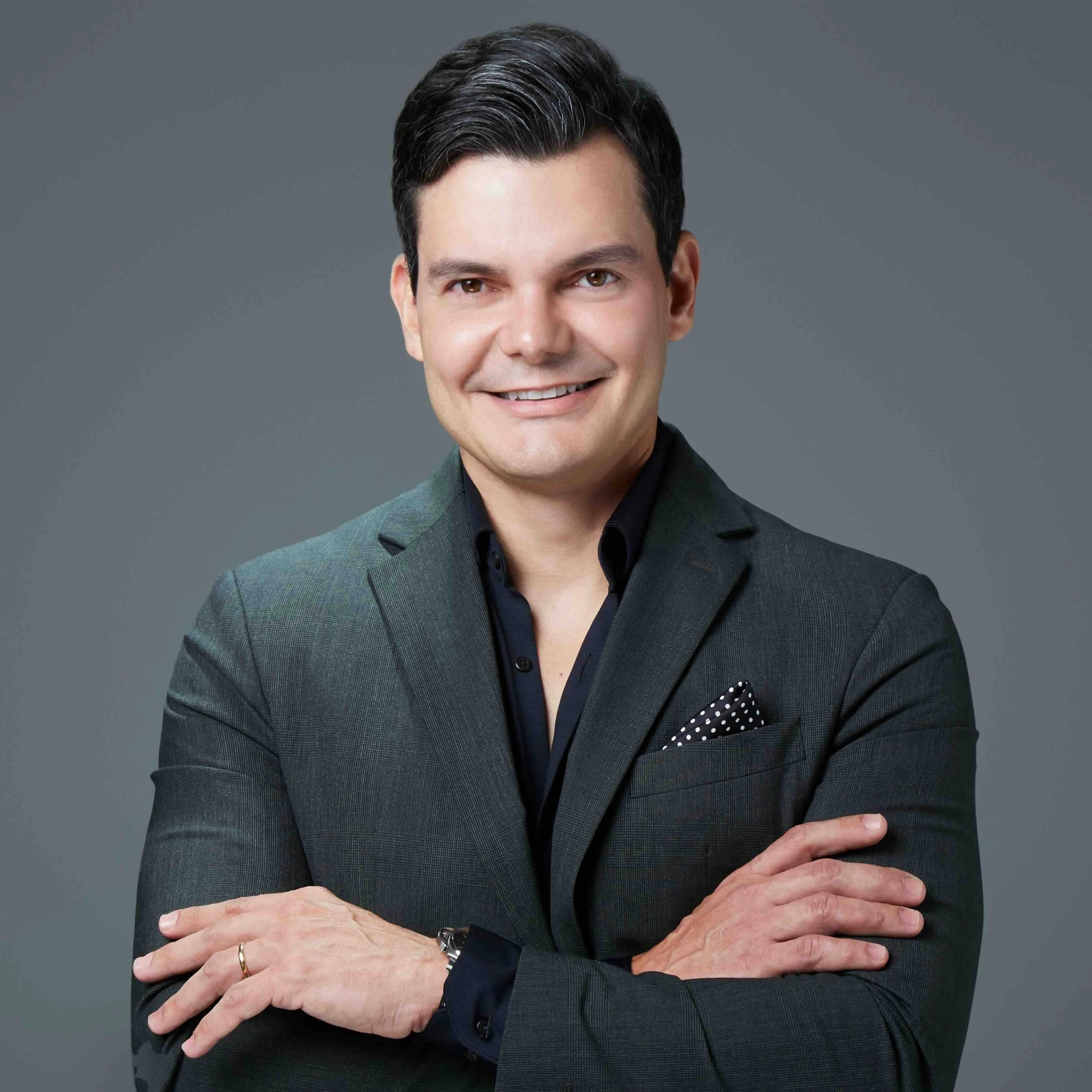
In this complete guide, Dr. Robério Brandão, creator of the Modern Face philosophy and specialist in minimally invasive facelift techniques, explores the durability of the facelift, the factors influencing it, and strategies to maximize your results. Additionally, we will compare different techniques, including the revolutionary Endomidface by Direct Vision, so you can make an informed decision and achieve long-lasting and natural facial rejuvenation.
Facelift Durability: What to Expect
On average, a successful facelift can last from 7 to 10 years. However, it is important to emphasize that this is only an estimate, and actual durability can vary significantly from person to person. Various factors, such as the surgical technique used, patient age, skin quality, and lifestyle, play a crucial role in result longevity.
It is important to have realistic expectations and understand that a facelift does not stop the aging process. The skin will continue to change over time, but the surgery provides a “reset”, allowing the patient to age from a more youthful base and with more defined contours.
Factors Influencing Durability
Facelift durability is influenced by a combination of intrinsic factors (related to the patient) and extrinsic factors (related to technique and post-operative care).
- Surgical Technique: The technique used is one of the most important factors. Techniques acting on deeper facial layers, such as Endomidface and Deep Plane, tend to offer longer-lasting results than techniques that only pull the skin superficially.
- Patient Age: The age at which the patient undergoes the facelift can influence durability. Younger patients, with greater skin elasticity, generally present longer-lasting results.
- Skin Quality: Skin quality, including its thickness, elasticity, and degree of sun damage, affects how it responds to surgery and how it maintains its results over time.
- Lifestyle: Habits such as smoking, excessive alcohol consumption, and unprotected sun exposure can accelerate the aging process and decrease facelift durability.
- Post-Operative Care: Adherence to post-operative care recommended by the surgeon, such as avoiding sun exposure, maintaining a healthy diet, and using appropriate skincare products, can prolong results.
Surgical Techniques and Durability: A Comparative Analysis
Different facelift techniques offer different degrees of durability. It is important to discuss options with your surgeon to choose the technique best suited to your needs and expectations.
| Technique | Action Level | Estimated Durability | Advantages | Disadvantages |
|---|---|---|---|---|
| Skin Lift | Superficial Skin | 5 to 7 years | Less invasive, shorter recovery time. | Less durable results, does not correct deep sagging. |
| SMAS Lift | SMAS | 7 to 10 years | Corrects sagging at a deeper level, more natural results. | More invasive than skin lift, slightly longer recovery time. |
| Deep Plane | Deep Plane | 10 to 15 years | Complete repositioning of facial structures, long-lasting and natural results. | More invasive, higher risk of complications, requires experienced surgeon. |
| Endomidface by Direct Vision | Deep Plane | 7 to 10 years | Minimally invasive, rapid recovery, bypasses fibrosis areas, vertical traction vector. | Does not correct jowls in isolation. |
| Ponytail Lift | Deep Plane | 7 to 10 years | Minimal incisions, less tissue damage, rapid recovery. | Requires surgeon experienced in endoscopic techniques. |
Endomidface by Direct Vision: A Modern and Lasting Option
Endomidface by Direct Vision, a technique developed by Dr. Robério Brandão, offers an innovative approach to facial rejuvenation, combining long-lasting results with a faster and minimally invasive recovery.
“The beauty of Modern Face lies in combining high-impact results with techniques that respect anatomy and minimize risks,” states Dr. Robério Brandão.
This technique stands out for:
- Superior Access: Acts on the mobile SMAS, bypassing fibrosis areas caused by biostimulators.
- Direct Vision: Eliminates dependence on expensive equipment, such as endoscopic video towers.
- Vertical Vector: Promotes natural rejuvenation, without the “stretched face” stigma.
Prolonging Results: Care and Maintenance
Although a facelift offers significant results, it is fundamental to adopt measures to prolong its durability and maintain a rejuvenated appearance.
- Adequate Skincare: Use high-quality skincare products, recommended by your dermatologist, to hydrate, nourish, and protect the skin.
- Sun Protection: Sun exposure is one of the main factors contributing to skin aging. Use sunscreen daily, even on cloudy days, and avoid prolonged sun exposure.
- Healthy Habits: Adopt a healthy lifestyle, with a balanced diet, regular physical exercise, adequate sleep, and stress control.
- Avoid Smoking: Smoking impairs blood circulation and accelerates the skin aging process, decreasing facelift durability.
- Complementary Procedures: Complementary procedures, such as hyaluronic acid fillers and botulinum toxin application, can help smooth fine wrinkles and expression lines, complementing facelift results.
What Happens When the Facelift Loses Its Effect?
Even with the best care, signs of aging will inevitably reappear over time. When this happens, there are several options to revitalize appearance:
- Mini-Lift: A less invasive procedure that can be performed to retouch the results of the original facelift.
- Fillers: Hyaluronic acid fillers can be used to restore lost volume and smooth wrinkles and expression lines.
- Botulinum Toxin: Botulinum toxin application can help relax facial muscles and smooth dynamic wrinkles, such as crow’s feet and forehead lines.
- Other Procedures: Other procedures, such as lasers and chemical peels, can improve skin texture and tone, complementing facelift results.
Surgeon Choice: A Decisive Factor
The surgeon’s experience and skill are crucial factors for the success and durability of a facelift. An experienced surgeon will be able to:
- Choose the most appropriate technique: Assess your individual needs and recommend the technique offering the best long-term results.
- Perform surgery with precision: Execute surgery with precision, minimizing tissue damage and optimizing results.
- Minimize complications: Adopt measures to prevent and treat complications, ensuring smooth recovery and long-lasting results.
Dr. Robério Brandão has over 18 years of experience in facial surgery, with over 1,000 surgeries performed. His Modern Face philosophy and Endomidface by Direct Vision technique are recognized for offering natural, long-lasting results with a high level of safety.
Frequently Asked Questions (FAQ)
What is the average durability of a facelift?
On average, a facelift lasts 7 to 10 years, but durability can vary depending on the technique used, individual factors, and lifestyle.
What factors affect facelift durability?
Surgical technique, patient age, skin quality, lifestyle (smoking, sun exposure), and adherence to post-operative care are factors influencing durability.
Does Endomidface by Direct Vision last longer than Deep Plane?
Both techniques offer long-lasting results. Endomidface, by bypassing areas of fibrosis, may be more predictable in patients with a history of biostimulators.
Is it possible to prolong facelift results?
Yes. Skin care, sun protection, healthy habits, and complementary procedures like fillers and botulinum toxin can help prolong results.
What happens when the facelift loses its effect?
When signs of aging reappear, it is possible to consider a mini-lift, fillers, or other procedures to revitalize the appearance.
How important is the surgeon’s experience for facelift durability?
The surgeon’s experience is crucial for choosing the most appropriate technique, performing the surgery with precision, and minimizing complications, directly impacting result durability.
Essential Questions in Consultation
A well-utilized consultation is fundamental for procedure success. Prepare yourself with right questions.
About Surgeon’s Experience
- “How many procedures similar to my case have you performed?” — Case volume is experience indicator
- “Can I see before and after photos of patients with characteristics similar to mine?” — Real results are best reference
- “What is your specific training in facial surgery?” — Specialization makes difference in results
About Proposed Technique
- “Why do you recommend this specific technique for my case?” — Understand clinical reasoning
- “What are the alternatives and why is this best option?” — Compare approaches
- “Where will scars be and how do they evolve over time?” — Realistic expectations
About Risks and Recovery
- “What are most common risks and how are they managed?” — Transparency is essential
- “How long will I be away from normal activities?” — Adequate planning
- “What type of anesthesia will be used?” — Anesthetic safety
- “What is post-operative follow-up protocol?” — Continuous support
Signs of Good Surgeon
- Answers your doubts clearly and patiently
- Shows real results from previous cases
- Discusses risks transparently
- Does not promise unrealistic results
- Has adequate team and structure
Post-Operative Warning Signs
Knowing warning signs allows early identification of any complication and quick action.
When to Seek Surgeon Immediately
Some signs require urgent medical evaluation:
- Active bleeding that does not cease with light compression for 10-15 minutes
- Fever above 38°C, especially if accompanied by chills
- Intense and sudden pain not controlled with prescribed medication
- Abrupt asymmetry — much larger swelling on one side may indicate hematoma
- Skin color change — paleness or darkening in specific areas
- Purulent discharge with unpleasant odor
Normal Signs (Do Not Worry)
These symptoms are expected and do not require concern:
- Moderate edema in first days, especially in morning
- Ecchymosis (purple spots) that change color progressively
- Temporary tingling or numbness in operated area
- Pulling sensation as tissues heal
- Small temporary asymmetries due to irregular edema
- Difficulty smiling or moving face in first days
Safety Protocol
In case of doubt, follow this protocol:
- Document — take photos and note symptoms
- Contact — call surgeon’s team
- Do not self-medicate — avoid non-prescribed medications
- Keep calm — most complications are manageable
“In Modern Face, each patient receives a direct communication channel for emergencies. Safety is not luxury, is priority.” — Dr. Robério Brandão
Conclusion
Facelift durability is an important consideration for anyone seeking long-lasting facial rejuvenation. By choosing an experienced surgeon, opting for a proven technique, and adopting a healthy lifestyle, you can maximize your results and enjoy a rejuvenated appearance for many years.
Remember: a facelift is not a permanent solution, but rather an investment in your self-esteem and well-being, allowing you to age with grace and confidence.
Related Content
- Endomidface: The Complete Guide to the Technique That Transforms Your Face
- Deep Neck Lift: Rejuvenate the Neck and Harmonize Your Profile
- SMAS Anatomy: What You Need to Know for a Safe and Effective Facelift
⚠️ Disclaimer
This content is educational and represents author’s technical opinion based on documented clinical experience. Surgical decisions must be individualized.
Author: Dr. Robério Brandão, CRM-CE 8596 Last update: January 2026