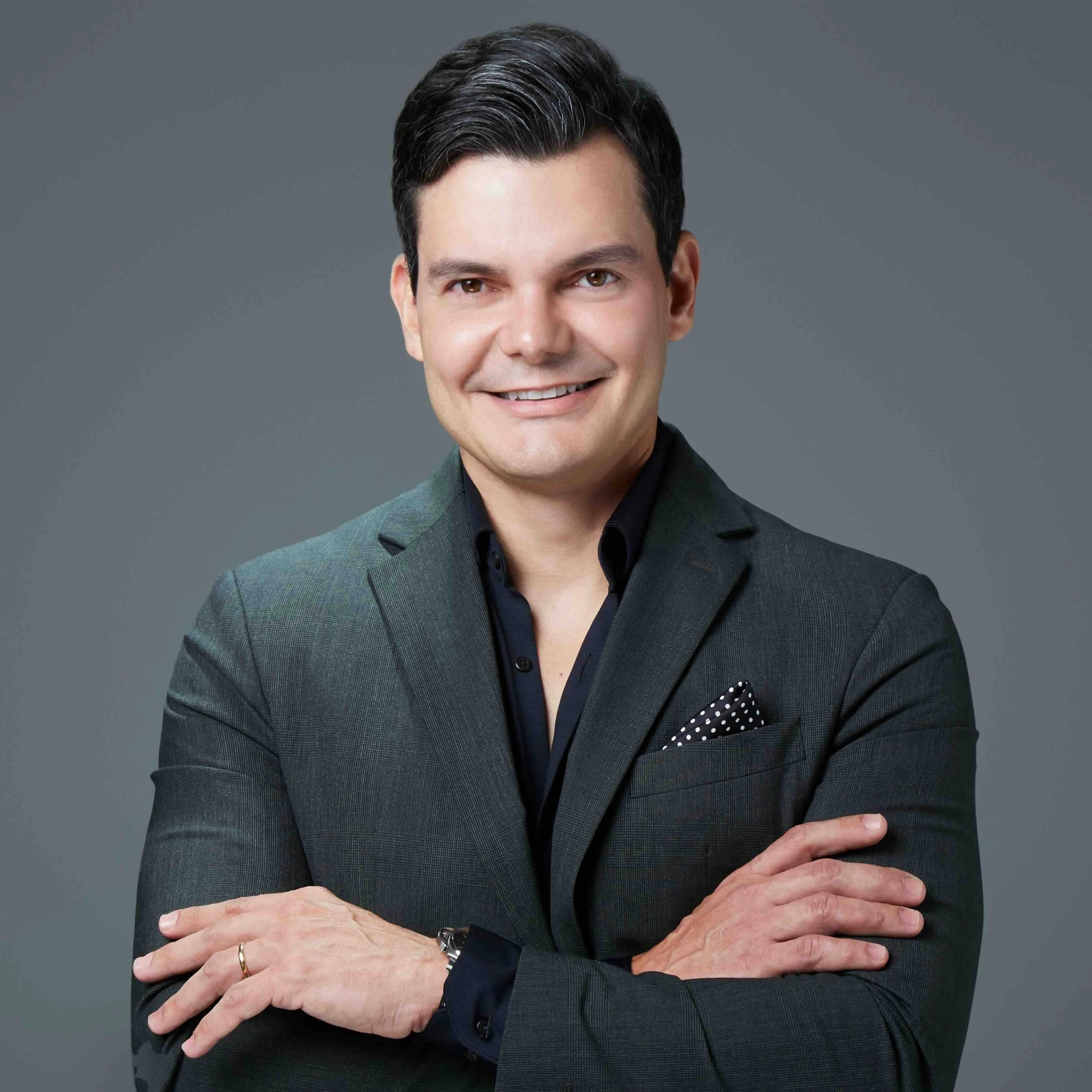
Facial surgery is constantly evolving, but this evolution doesn’t always mean real progress. In a world saturated with techniques and technologies, how do you tread a path that combines exceptional results, safety, and, above all, a philosophy that puts the patient at the center?
This article is a complete guide to becoming a Modern Face surgeon, mastering the innovative techniques and philosophy that transformed the practice of Dr. Robério Brandão, creator of the concept. Discover how you too can offer natural and long-lasting results, minimizing risks and recovery time for your patients.
What Is the Modern Face Philosophy?
Modern Face is not just a set of surgical techniques, but a comprehensive philosophy redefining the approach to facial surgery. It is based on three fundamental pillars:
- Non-Negotiable Safety: Maximum priority is patient safety, with techniques that minimize risks and complications.
- Elegance in Simplicity: Pursuit of natural and harmonious results through minimally invasive and precise techniques.
- Optimized Recovery: Focus on procedures allowing fast and comfortable recovery for the patient.
Modern Face is a response to the challenges of contemporary facial surgery, seeking to offer superior results with less aggression and greater predictability.
The Essential Techniques of Modern Face
To become a Modern Face surgeon, you need to master a set of techniques that complement each other and allow treating the face globally and harmoniously. Key techniques include:
- Direct Vision Endomidface: Midface lift performed through a temporal incision, without the need for an endoscope. This technique allows repositioning tissues naturally and lastingly, with minimal aggression and rapid recovery.
- Direct Vision Browlift (Frontoplasty): Eyebrow lift and forehead treatment performed through a temporal incision, without the need for an endoscope. This technique allows correcting eyebrow droop, smoothing wrinkles, and improving eye harmony.
- Deep Neck without Submandibular Gland Removal: Neck surgery aiming to define the jawline and eliminate the double chin, without the need to remove the submandibular gland. This technique minimizes risks and allows faster and more comfortable recovery.
The Path to Becoming a Modern Face Surgeon
The path to becoming a Modern Face surgeon is a gradual process involving study, practice, and mentorship. The main steps include:
- Theoretical Foundations: Mastering facial anatomy and Modern Face principles is essential to perform surgeries safely and precisely.
- Practical Training: Laboratory practice and observing live surgeries are important to develop necessary technical skills.
- Individualized Mentorship: Guidance from an experienced mentor is fundamental to refine technique, solve problems, and make assertive decisions.
- Deliberate Practice: Constant practice and critical analysis of results are essential to improve technique and achieve excellence.
Step 1: Mastering Theoretical Foundations
The first step to becoming a Modern Face surgeon is mastering the theoretical foundations supporting the philosophy and techniques. This includes:
Applied Facial Anatomy
Deep knowledge of facial anatomy is crucial to performing surgeries safely and precisely. You need to know in detail:
- Facial muscles: Origin, insertion, function, and innervation.
- Facial nerves: Path, distribution, and risk areas.
- Facial blood vessels: Important arteries and veins and their anatomical variations.
- Facial ligaments: Location, function, and importance for tissue support.
- Facial fat compartments: Distribution and importance for facial contour.
- Facial planes: Tissue layers and their anatomical relations.
It is important to study anatomy in books, atlases, and videos, but it is also fundamental to practice dissection on fresh cadavers to develop a three-dimensional understanding of facial structures.
The Pillars of Modern Face Philosophy
Besides anatomical knowledge, you need to internalize Modern Face principles:
- Non-Negotiable Safety: Prioritize patient safety in all surgical decisions.
- Elegance in Simplicity: Seek natural and harmonious results through minimally invasive techniques.
- Optimized Recovery: Minimize recovery time and patient discomfort.
These pillars should guide all stages of surgical planning and technique execution.
The Direct Vision Endomidface Technique
The Direct Vision Endomidface technique is the flagship of Modern Face. You need to understand in detail:
- Indications and contraindications: For which patients the technique suits best and in which cases other approaches may be more appropriate.
- Surgical planning: How to mark the incision, define the dissection plane, and choose fixation points.
- Surgical technique: Detailed step-by-step of the procedure, from incision to closure.
- Complication management: How to prevent and treat common complications, such as hematomas, infections, and nerve injuries.
For complete learning, it is recommended to participate in courses and workshops with surgeons experienced in the technique.
Step 2: Practical Training and Mentorship
Theoretical knowledge is fundamental, but practice is what transforms a student into a Modern Face surgeon.
Dissection Laboratory
Dissection laboratory practice is a crucial step to develop the technical skills necessary to perform surgeries safely and precisely. It is important to:
- Use fresh cadavers: They offer a more realistic experience of facial anatomy.
- Perform incisions and dissections: Practice surgery steps in a controlled environment.
- Identify anatomical structures: Learn to recognize facial muscles, nerves, and vessels.
- Simulate fixation procedures: Practice suture stitches and tissue fixation techniques.
Observing Live Surgeries
Observing live surgeries is a valuable opportunity to learn from experienced surgeons and see how they apply techniques in practice. It is important to:
- Choose renowned surgeons: Observe surgeries with professionals mastering Modern Face techniques.
- Pay attention to detail: Observe attentively each step of the procedure, from marking to closure.
- Ask questions: Take the opportunity to clarify doubts and learn from the surgeon’s experience.
Individualized Mentorship
Individualized mentorship is an essential component of training a Modern Face surgeon. An experienced mentor can offer:
- Personalized guidance: Individualized follow-up to help the surgeon develop their skills and overcome challenges.
- Constructive feedback: Critical analysis of results and suggestions for technique improvement.
- Emotional support: Support and encouragement to face learning curve challenges.
Dr. Robério Brandão offers an individualized mentorship program for surgeons wishing to deepen their knowledge in Modern Face and achieve excellence in facial surgery.
Step 3: Deliberate Practice and Critical Analysis
Deliberate practice is a continuous learning process involving:
- Defining clear goals: Establish specific objectives for each surgery.
- Focusing on technique: Pay attention to execution details and seek constant improvement.
- Analyzing results: Critically evaluate obtained results and identify areas for improvement.
- Seeking feedback: Request opinions from mentors, colleagues, and patients.
- Repeating the process: Continue practicing and refining the technique until excellence is achieved.
Critical analysis of results is fundamental to identify strengths and weaknesses and improve technique over time. It is important to:
- Document all cases: Photograph and film procedures for later analysis.
- Compare results: Evaluate results obtained with different techniques and approaches.
- Follow up patients long-term: Monitor result evolution and identify possible relapses.
Step 4: Forming Your Own Philosophy and Contributing to Modern Face Evolution
Along the way, you will start developing your own surgical philosophy and contributing to Modern Face evolution. This involves:
- Adapting techniques to your needs: Modern Face offers a set of tools, but it is up to you to adapt them to your preferences and your patients.
- Innovating and experimenting: Don’t be afraid to experiment with new approaches and techniques, always responsibly and focused on safety.
- Sharing your knowledge: Contribute to the Modern Face community, sharing your results, your doubts, and your experiences.
- Inspiring other surgeons: Become an example of excellence and ethics in facial surgery.
By following this path, you will not only become a Modern Face surgeon but also a leader and an innovator in the field.
Dr. Robério Brandão’s Mentorship: Your Shortcut to Excellence
To accelerate your journey and achieve excellence in facial surgery, Dr. Robério Brandão offers an individualized mentorship program. In this program, you will have the opportunity to:
- Learn from the experience of one of the greatest experts in Modern Face.
- Receive personalized guidance to improve your technique and achieve your goals.
- Have access to exclusive clinical cases and in-depth discussions.
- Be part of a community of surgeons committed to excellence and innovation.
Results and Statistics
Objective data helps establish realistic expectations about the procedure.
Result Durability
Longevity of results depends on multiple factors:
| Factor | Impact on Durability |
|---|---|
| Technique used | High — deep plane lasts longer |
| Skin quality | Moderate — firmer skin maintains better |
| Sun exposure | High — sun accelerates aging |
| Smoking | High — smoking significantly harms |
| Stable weight | Moderate — fluctuations affect result |
| Genetics | Moderate — individual predisposition |
Modern Face Clinical Series Data
- More than 1,000 facial surgeries without any irreversible motor nerve injury
- Average recovery time: 10-14 days
- Return to work: 7-10 days (average)
What to Expect Realistically
- Immediate: visible improvement, but with edema
- 30 days: result developing
- 90 days: result almost definitive
- 6 months: final result stabilized
“Numbers are important, but every face is unique. Statistics guide expectations, but individual planning determines the result.” — Dr. Robério Brandão
Essential Questions in Consultation
A well-utilized consultation is fundamental to procedure success. Prepare with the right questions.
About Surgeon Experience
- “How many procedures similar to my case have you performed?” — Case volume is an indicator of experience
- “Can I see before and after photos of patients with characteristics similar to mine?” — Real results are the best reference
- “What is your specific training in facial surgery?” — Specialization makes a difference in results
About Proposed Technique
- “Why do you recommend this specific technique for my case?” — Understand clinical reasoning
- “What are the alternatives and why is this the best option?” — Compare approaches
- “Where will the scars be and how do they evolve over time?” — Realistic expectations
About Risks and Recovery
- “What are the most common risks and how are they managed?” — Transparency is essential
- “How long will I be away from normal activities?” — Proper planning
- “What type of anesthesia will be used?” — Anesthetic safety
- “What is the post-operative follow-up protocol?” — Continuous support
Signs of a Good Surgeon
- Answers your doubts clearly and patiently
- Shows real results from previous cases
- Discusses risks transparently
- Does not promise unrealistic results
- Has adequate team and structure
Conclusion
Becoming a Modern Face surgeon is a commitment to excellence, safety, and innovation. It is a path requiring study, practice, and mentorship, but offering unmatched rewards: the ability to transform your patients’ lives, offering natural, long-lasting, and safe results.
If you are ready to tread this path, join the Modern Face movement and discover the power to transform facial surgery.
Related Content
- Endomidface: The Complete Guide
- SMAS Anatomy: Fundamentals for Surgeons
- How to Choose the Best Facelift for You
⚠️ Disclaimer
This content is educational and represents the author’s technical opinion based on documented clinical experience. Surgical decisions should be individualized.
Author: Dr. Robério Brandão, CRM-CE 8596 Last update: January 2026