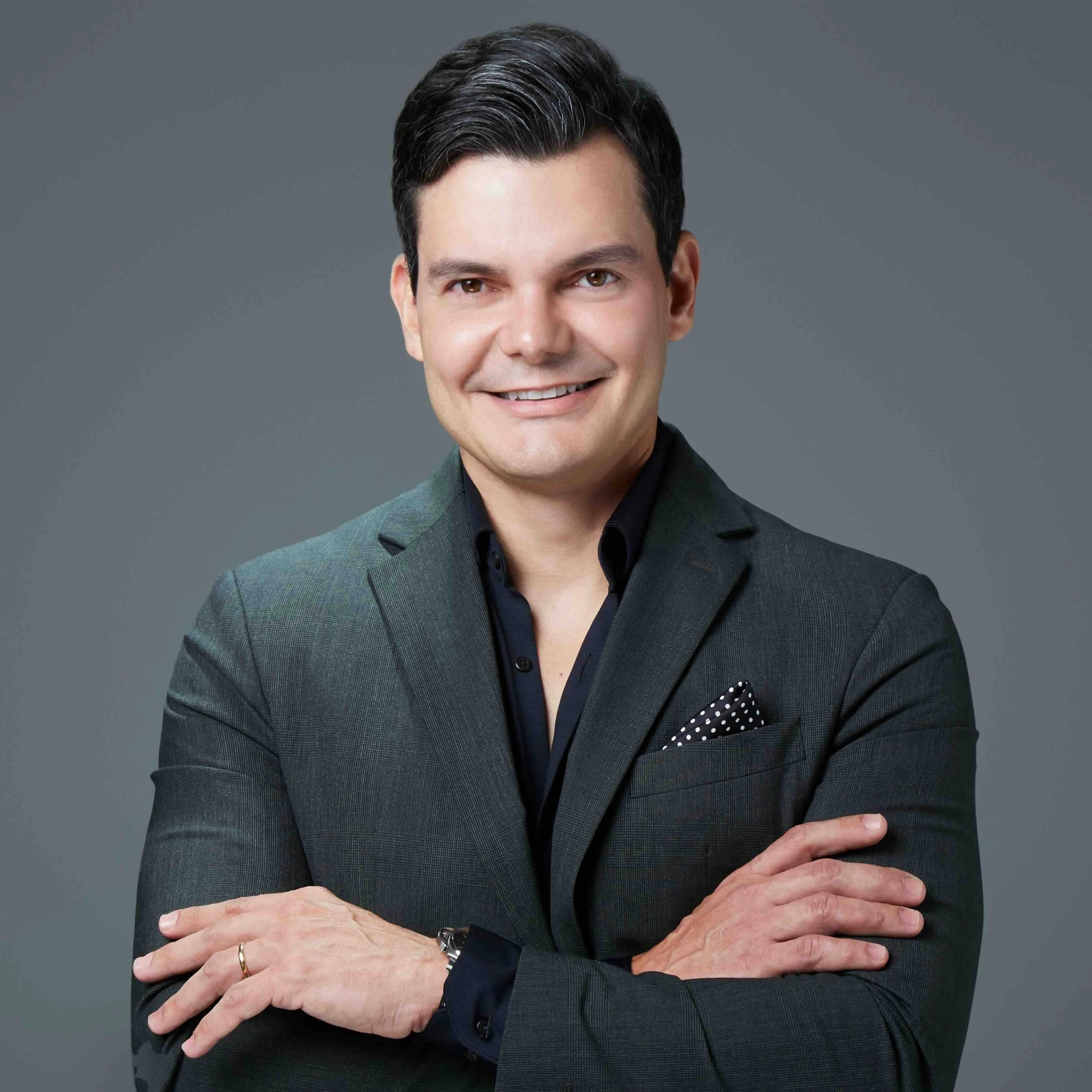
Deciding to undergo a facelift is a major step. Choosing a plastic surgeon is undoubtedly the most critical decision to ensure a satisfactory and safe result. This complete guide offers detailed information on how to select the ideal professional, covering everything from evaluating experience and qualifications to understanding surgical techniques and the importance of trust.
1. Evaluate Experience and Qualifications
Surgeon experience is one of the most predictive factors of success in any surgical procedure.
1.1. Certification and Registration
Check if the surgeon is board-certified by the relevant plastic surgery society. This certification ensures the professional has completed an accredited residency program and passed rigorous exams.
Confirm their specialist registration with the medical board. This attests that the doctor is a specialist in their field.
1.2. Years of Practice and Focus on Facial Surgery
Consider the number of years the surgeon has dedicated to facial surgery. A professional with vast experience in facelifts will have deep knowledge of techniques and facial anatomy, in addition to being better prepared to handle potential complications.
1.3. Specific Experience with the Desired Technique
Ask about the surgeon’s experience with the facelift technique you are considering (e.g., Endomidface, Deep Plane). Each technique has its particularities, and an experienced professional will be better able to deliver desired results.
2. Analyze Portfolio and Results
The surgeon’s portfolio is a showcase of their work and offers a clear view of the results they can achieve.
2.1. Before and After Photos
Carefully examine before and after photos of other patients. Evaluate if results are natural, harmonious, and consistent with your expectations.
2.2. Attention to Detail
Observe scar quality, facial symmetry, and contour improvement. Small details can make a big difference in the final result.
2.3. Variety of Cases
Check if the portfolio includes cases similar to yours, considering age, skin type, and degree of sagging. This indicates the surgeon has experience dealing with different patient types and challenges.
3. Understand Surgical Techniques
It is fundamental to understand different facelift techniques and how they can meet your specific needs.
3.1. Traditional Facelift vs. Minimally Invasive Techniques
Traditional facelift involves larger incisions and more extensive skin dissection. Minimally invasive techniques, such as Endomidface, use smaller incisions and can offer faster recovery.
| Feature | Traditional Facelift | Endomidface |
|---|---|---|
| Incision | Long | Minimal |
| Dissection | Extensive | Limited |
| Recovery | Slow | Fast |
| Results | Long-lasting | Natural |
3.2. Depth Level: SMAS, Deep Plane
Facelift can act at different depth levels, from SMAS (Superficial Musculoaponeurotic System) to deep plane. The choice of plane depends on patient characteristics and desired results.
3.3. Modern Face: An Innovative Approach
The Modern Face philosophy, developed by Dr. Robério Brandão, prioritizes safety, naturalness, and rapid recovery. It is based on minimally invasive techniques, such as Endomidface, and seeks to harmonize different thirds of the face for a more complete and balanced result.
4. Prioritize Safety and Well-Being
Safety should be your main concern when choosing a facelift surgeon.
4.1. Complication Rate
Ask about the surgeon’s complication rate in facelifts. Ask for the surgeon’s own documented data, and ideally seek professionals with low complication rates.
4.2. Structure and Team
Ensure the surgeon operates in a suitable environment, with modern equipment and an experienced team. Structure and support are fundamental to ensure procedure safety.
4.3. Transparency and Communication
Choose a surgeon who is transparent about facelift risks and benefits, answers all your questions, and makes you feel safe and confident. Communication is essential to establish a relationship of trust and ensure you are fully informed about the procedure.
5. Experience, Expertise, Authoritativeness, and Trustworthiness (E-E-A-T)
The E-E-A-T concept (Experience, Expertise, Authoritativeness, and Trustworthiness) is fundamental for evaluating plastic surgeon quality.
5.1. Experience
Years of practice, number of surgeries performed, and experience with the specific technique you want.
5.2. Expertise
Deep technical knowledge, participation in congresses, and scientific publications.
5.3. Authoritativeness
Recognition in the medical community, online reputation, and referrals from other professionals.
5.4. Trustworthiness
Transparency, clear communication, and consistent results.
6. Prepare for the Initial Consultation
The initial consultation is the moment to meet the surgeon, ask your questions, and evaluate if they are the right professional for you.
6.1. Essential Questions
Prepare a list of questions to ask the surgeon, including:
- Which facelift technique is most suitable for me?
- What are the risks and benefits of the procedure?
- How will my recovery be?
- Can I see before and after photos of other patients?
- What is your plan for dealing with potential complications?
- What is the total cost of the procedure?
6.2. Evaluate Communication
Observe how the surgeon answers your questions. Are they attentive, clear, and transparent? Do they make you feel safe and confident? Communication is a crucial factor in establishing a relationship of trust and ensuring a positive experience.
7. Trust Your Intuition
After evaluating all objective factors, trust your intuition. Choose a surgeon with whom you feel comfortable and confident. Your safety and well-being are top priorities.
What to Expect: Recovery Timeline
Recovery is a journey requiring patience and specific care at each phase. Knowing what to expect helps reduce anxiety and optimize results.
First 24-48 Hours
This is the most delicate period. It is normal to have:
- Moderate to intense edema: swelling is maximum in this period
- Bruising: purple spots may appear and are a natural part of healing
- Controllable discomfort: pain is generally mild to moderate, controlled with prescribed painkillers
- Need for absolute rest: avoid sudden movements and keep head elevated
First Week (Days 3-7)
From the third day, you will start noticing progressive improvements:
- Edema begins to decrease gradually
- Bruising changes color (purple → green → yellow)
- Stitches and dressings may be removed as per medical advice
- Light activities can be resumed with caution
Weeks 2-4
Important transition phase:
- Gradual return to social and professional activities
- Residual edema still present but less noticeable
- Result begins to define, although not yet definitive
- Lymphatic drainage massages may be indicated
Months 1-3
Final result consolidates progressively:
- Tissues settle into their definitive position
- Scars mature and become less visible
- Sensitivity gradually returns to normal
- Final result visible between 3-6 months
“Patience is fundamental. The final result of a facial procedure can only be evaluated after 6 months when all tissues have stabilized.” — Dr. Robério Brandão
Post-Operative Warning Signs
Knowing warning signs allows early identification of any complication and quick action.
When to Seek Surgeon Immediately
Some signs require urgent medical evaluation:
- Active bleeding that does not stop with light compression for 10-15 minutes
- Fever above 38°C (100.4°F), especially if accompanied by chills
- Intense and sudden pain not controlled with prescribed medication
- Abrupt asymmetry — much larger swelling on one side may indicate hematoma
- Skin color change — paleness or darkening in specific areas
- Purulent discharge with unpleasant odor
Normal Signs (Do Not Worry)
These symptoms are expected and do not require concern:
- Moderate edema in the first days, especially in the morning
- Bruising (purple spots) that change color progressively
- Tingling or numbness temporarily in the operated area
- Pulling sensation as tissues heal
- Small temporary asymmetries due to irregular edema
- Difficulty smiling or moving face in the first days
Safety Protocol
In case of doubt, follow this protocol:
- Document — take photos and note symptoms
- Contact — call the surgeon’s team
- Do not self-medicate — avoid non-prescribed medications
- Stay calm — most complications are manageable
“In Modern Face, every patient receives a direct communication channel for emergencies. Safety is not a luxury, it is a priority.” — Dr. Robério Brandão
Detailed Post-Operative Care
Procedure success depends on both surgical technique and post-operative care.
First Days: Critical Phase
In this phase, small precautions make a big difference:
- Elevated rest: keep head elevated at 30-45° even when sleeping
- Cold compresses: apply in the first 48h to reduce edema
- Strict medication: follow exactly prescribed schedules
- Light diet: prefer soft foods and avoid excessive chewing
- Abundant hydration: water helps with tissue recovery
First Week: Intermediate Care
As healing advances:
- Careful hygiene: clean area as directed, without rubbing
- Avoid sun exposure: use hat and sunscreen when necessary to go out
- Gentle facial movements: avoid exaggerated expressions
- Adequate sleep: body recovers mainly during sleep
- Avoid alcohol and tobacco: both impair healing
Weeks 2-4: Gradual Return
Return to activities should be progressive:
- Light activities: short walks are allowed
- Remote work: can be resumed as comfortable
- Light makeup: generally allowed after 2 weeks
- Moderate exercise: only with medical clearance
- Lymphatic drainage: indicated to accelerate recovery
What to Avoid
Throughout the recovery period:
- Direct sun exposure on operated areas
- Intense physical activities before clearance
- Alcohol consumption in the first 2 weeks
- Smoking (ideally stop 4 weeks before and after)
- Non-prescribed anti-inflammatories
- Sudden movements with the face
Conclusion
Choosing a facelift surgeon is a personal and important decision. By following this complete guide, you will be better prepared to evaluate available options and select the ideal professional to achieve desired results with safety and confidence.
Remember: your beauty and well-being are in your hands.
Frequently Asked Questions (FAQ)
What is the importance of surgeon experience?
Surgeon experience is crucial for predicting results, minimizing risks, and dealing with potential complications.
What is E-E-A-T in plastic surgery?
E-E-A-T stands for Experience, Expertise, Authoritativeness, and Trustworthiness. It ensures a qualified professional.
How to verify a surgeon’s certification?
Check the medical board website to confirm board certification.
What is an acceptable complication rate in facelifts?
Ask for the surgeon’s own documented data, and ideally seek professionals with low complication rates.
What to ask in the initial consultation?
Ask about technique, risks, expected results, and anesthesia options.
How to evaluate a surgeon’s portfolio?
Analyze before and after photos, looking for natural and consistent results.
Is Modern Face a safe technique?
Yes, the Modern Face philosophy prioritizes safety, with protocols to minimize risks.
Conclusion
Choosing a facelift surgeon is a journey requiring research, evaluation, and trust. By prioritizing experience, safety, and clear communication, you will be closer to achieving desired results and transforming your appearance with safety and satisfaction.
Remember that this article is just a guide. The final decision should be made together with your plastic surgeon, based on your individual needs and expectations.
Related Content
⚠️ Disclaimer
This content is educational and represents the author’s technical opinion based on documented clinical experience. Surgical decisions should be individualized.
Author: Dr. Robério Brandão, CRM-CE 8596 Last update: January 2026