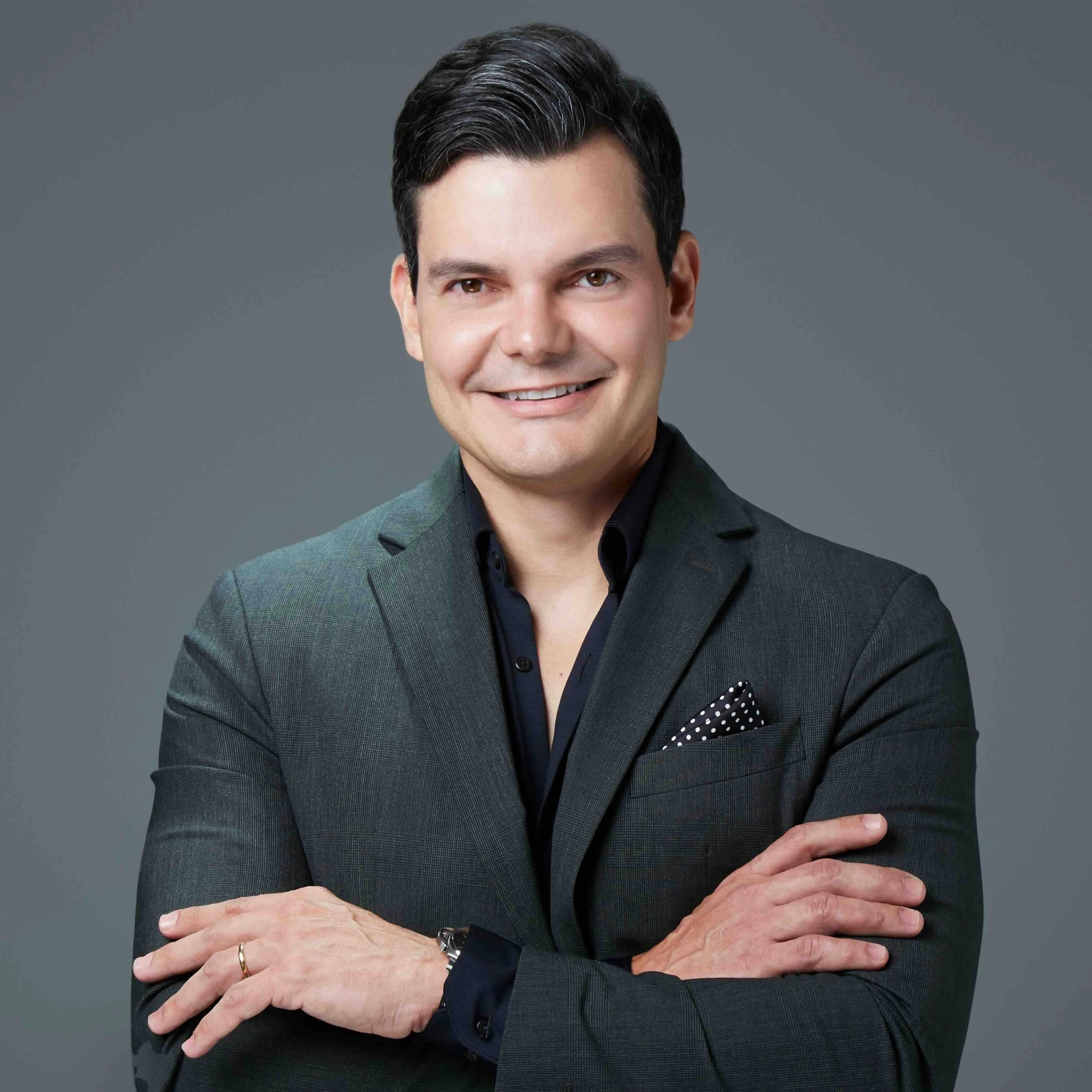
The search for excellence in facial surgery inevitably involves robust and updated training. The Modern Face Institute, conceived by the renowned Dr. Robério Brandão, emerges as a beacon in this scenario, offering a structured path for surgeons who aim to master the most innovative and safe techniques on the market.
With the Modern Face philosophy as a pillar, the institute stands out for its approach focused on natural results, optimized recovery, and, above all, non-negotiable safety. But what makes the Modern Face Institute the ideal choice for your training in facial surgery?
The Modern Face Philosophy: A New Era in Facial Surgery
Modern Face, created by Dr. Robério Brandão, is more than a set of surgical techniques; it is a philosophy that redefines the practice of facial surgery. It is based on three fundamental pillars:
- Non-Negotiable Safety: Prioritizing patient safety at every stage of the procedure.
- Elegance in Simplicity: seeking natural and harmonious results with minimally invasive techniques.
- Optimized Recovery: Minimizing recovery time, allowing patients to resume their activities as quickly as possible.
This philosophy translates into innovative techniques, such as Endomidface by Direct Vision, which revolutionized how surgeons approach the midface.
Endomidface by Direct Vision: Precision and Safety without Endoscope
The Endomidface by Direct Vision technique, developed by Dr. Robério Brandão, is a milestone in minimally invasive facial surgery. By eliminating the need for an endoscope, this approach offers a series of advantages:
- Greater Precision: Direct vision allows the surgeon to have more precise control over the procedure, ensuring more natural and harmonious results.
- Greater Safety: By avoiding the use of complex equipment, the technique reduces the risk of complications and increases patient safety.
- Accelerated Recovery: The lower invasiveness of the technique results in a shorter recovery time, allowing patients to resume their activities in a few days.
The Endomidface by Direct Vision technique is the flagship of the Modern Face Institute, and the basis for training elite surgeons.
What You Will Learn at Modern Face Institute
The Modern Face Institute offers complete training in facial surgery, covering from anatomy fundamentals to the most advanced rejuvenation techniques. Our courses are designed for surgeons who wish to:
- Master minimally invasive techniques: Learn to perform complex procedures with minimal incisions, reducing recovery time and risk of complications.
- Obtain natural and long-lasting results: Master fixation and suspension techniques that ensure harmonious and long-lasting results.
- Prioritize patient safety: Learn to identify and avoid risk areas in the face, minimizing the chance of nerve injuries and other complications.
- Increase your clinic’s revenue: Offer your patients the most innovative and sought-after techniques on the market, attracting a more demanding audience willing to invest in excellent results.
Comprehensive and Updated Syllabus
Our training covers all aspects of facial surgery, from anatomy fundamentals to the most advanced rejuvenation techniques. Modern Face Institute courses are structured in theoretical and practical modules, including:
- Facial Anatomy: In-depth study of facial anatomy, focusing on structures relevant to surgery.
- Surgical Techniques: Detailed presentation of surgical techniques used in Modern Face, including Endomidface, Browlift, and Deep Neck.
- Surgical Planning: Guidelines on how to plan and execute complex facial surgeries, taking into account individual patient characteristics.
- Complication Management: Strategies to prevent and treat most common facial surgery complications.
- Marketing and Management: Tips on how to attract and retain patients, build a strong brand, and manage a successful clinic.
Highly Qualified Faculty
Our team is formed by experienced and renowned professionals in the field of facial surgery, including Dr. Robério Brandão himself. Our instructors are passionate about teaching and sharing their knowledge with other surgeons, ensuring you have access to the best content and guidance.
A Differential for Your Career
Upon graduating from the Modern Face Institute, you will be prepared to:
- Offer your patients the most innovative and safe techniques on the market.
- Obtain natural and long-lasting results that exceed your patients’ expectations.
- Build a reputation of excellence and attract a more demanding audience willing to invest in quality results.
- Increase your clinic’s revenue and achieve the professional success you have always dreamed of.
Beyond Surgery: The Philosophy of a Legacy
At the Modern Face Institute, you will not only learn to perform surgical procedures; you will embrace a work philosophy that values ethics, safety, excellence, and continuous pursuit of improvement.
Dr. Robério Brandão is an inspiring leader who shares his passion for facial surgery and his vision of a future where aesthetic procedures are increasingly safe, accessible, and personalized.
Frequently Asked Questions (FAQ)
What are the prerequisites to participate in Modern Face Institute courses?
Courses are intended for physicians trained in plastic surgery, ophthalmology, otolaryngology, head and neck surgery, or other specialties with experience in facial surgery.
Are Modern Face Institute courses recognized by MEC?
Our courses are for professional improvement and updating, not conferring specialization titles recognized by MEC.
What is the duration of Modern Face Institute courses?
Course duration varies according to theme and format. Consult each course page for detailed information.
Does Modern Face Institute offer in-person courses?
Yes, the institute offers exclusive in-person courses for students who complete online training.
What is the cost of Modern Face Institute courses?
Course values vary according to theme and format. Consult each course page for detailed information.
Transform Your Practice and Elevate Your Results
The Modern Face Institute is more than a facial surgery school; it is a center of excellence where passionate surgeons unite to learn, share, and innovate. If you seek complete, updated, and results-focused training, Modern Face Institute is your place.
⚠️ Disclaimer This content is educational and represents author’s technical opinion based on documented clinical experience. Surgical decisions must be individualized.
Author: Dr. Robério Brandão, CRM-CE 8596 Last update: January 2026
Detailed Post-Operative Care
Procedure success depends as much on surgical technique as on post-operative care.
First Days: Critical Phase
In this phase, small cares make big difference:
- Elevated rest: keep head elevated at 30-45° even when sleeping
- Cold compresses: apply in first 48h to reduce edema
- Rigorous medication: follow exactly prescribed schedules
- Light diet: prefer soft foods and avoid excessive chewing
- Abundant hydration: water helps in tissue recovery
First Week: Intermediate Care
As healing advances:
- Careful hygiene: clean area as directed, without rubbing
- Avoid sun exposure: use hat and sunscreen when necessary to go out
- Gentle facial movements: avoid exaggerated expressions
- Adequate sleep: body recovers mainly during sleep
- Avoid alcohol and tobacco: both harm healing
Weeks 2-4: Gradual Return
Return to activities should be progressive:
- Light activities: short walks are allowed
- Remote work: can be resumed as per comfort
- Light makeup: generally allowed after 2 weeks
- Moderate exercises: only with medical clearance
- Lymphatic drainage: indicated to accelerate recovery
What to Avoid
During entire recovery period:
- Direct sun exposure on operated areas
- Intense physical activities before clearance
- Alcohol consumption in first 2 weeks
- Smoking (ideally stop 4 weeks before and after)
- Non-prescribed anti-inflammatories
- Sudden movements with face
What to Expect: Recovery Timeline
Recovery is a journey requiring patience and specific care in each phase. Knowing what to expect helps reduce anxiety and optimize results.
First 24-48 Hours
This is the most delicate period. It is normal to present:
- Moderate to intense edema: swelling is maximum in this period
- Ecchymosis: purple spots may appear and are natural part of healing
- Controllable discomfort: pain is generally mild to moderate, controlled with prescribed painkillers
- Need for absolute rest: avoid sudden movements and keep head elevated
First Week (Days 3-7)
From third day, you will start noticing progressive improvements:
- Edema begins to decrease gradually
- Ecchymosis change color (purple → green → yellow)
- Stitches and dressings may be removed as per medical guidance
- Light activities can be resumed with caution
Weeks 2-4
Important transition phase:
- Gradual return to social and professional activities
- Residual edema still present, but less noticeable
- Result begins to define, although not yet definitive
- Lymphatic drainage massages may be indicated
Months 1-3
Final result consolidates progressively:
- Tissues settle into their definitive position
- Scars mature and become less visible
- Sensitivity returns gradually to normal
- Final result visible between 3-6 months
“Patience is fundamental. Final result of a facial procedure can only be evaluated after 6 months, when all tissues have stabilized.” — Dr. Robério Brandão
Essential Questions in Consultation
A well-utilized consultation is fundamental for procedure success. Prepare yourself with right questions.
About Surgeon’s Experience
- “How many procedures similar to my case have you performed?” — Case volume is experience indicator
- “Can I see before and after photos of patients with characteristics similar to mine?” — Real results are best reference
- “What is your specific training in facial surgery?” — Specialization makes difference in results
About Proposed Technique
- “Why do you recommend this specific technique for my case?” — Understand clinical reasoning
- “What are the alternatives and why is this best option?” — Compare approaches
- “Where will scars be and how do they evolve over time?” — Realistic expectations
About Risks and Recovery
- “What are most common risks and how are they managed?” — Transparency is essential
- “How long will I be away from normal activities?” — Adequate planning
- “What type of anesthesia will be used?” — Anesthetic safety
- “What is post-operative follow-up protocol?” — Continuous support
Signs of Good Surgeon
- Answers your doubts clearly and patiently
- Shows real results from previous cases
- Discusses risks transparently
- Does not promise unrealistic results
- Has adequate team and structure
Post-Operative Warning Signs
Knowing warning signs allows early identification of any complication and quick action.
When to Seek Surgeon Immediately
Some signs require urgent medical evaluation:
- Active bleeding that does not cease with light compression for 10-15 minutes
- Fever above 38°C, especially if accompanied by chills
- Intense and sudden pain not controlled with prescribed medication
- Abrupt asymmetry — much larger swelling on one side may indicate hematoma
- Skin color change — paleness or darkening in specific areas
- Purulent discharge with unpleasant odor
Normal Signs (Do Not Worry)
These symptoms are expected and do not require concern:
- Moderate edema in first days, especially in morning
- Ecchymosis (purple spots) that change color progressively
- Temporary tingling or numbness in operated area
- Pulling sensation as tissues heal
- Small temporary asymmetries due to irregular edema
- Difficulty smiling or moving face in first days
Safety Protocol
In case of doubt, follow this protocol:
- Document — take photos and note symptoms
- Contact — call surgeon’s team
- Do not self-medicate — avoid non-prescribed medications
- Keep calm — most complications are manageable
“In Modern Face, each patient receives a direct communication channel for emergencies. Safety is not luxury, is priority.” — Dr. Robério Brandão
Relevant Anatomy for This Procedure
Anatomical knowledge is fundamental to understand how results are achieved safely and effectively.
Key Structures
The face is composed of layers that must be understood together:
- Skin: most superficial layer, reflecting aging through wrinkles and sagging
- Subcutaneous tissue: contains fat that redistributes with age
- SMAS (Superficial Musculoaponeurotic System): fundamental layer connecting muscles to skin
- Facial muscles: responsible for expression and dynamic support
- Retaining ligaments: anchor skin to facial skeleton
- Facial nerves: control movement and sensitivity
Surgical Planes
In Modern Face philosophy, we work in specific planes:
- Superficial plane: above SMAS, used in less invasive procedures
- Deep plane (sub-SMAS): below SMAS, allows longer-lasting results
- Subcutaneous plane: used for fat grafting and fat treatment
Why This Matters
Understanding anatomy explains:
- Why certain procedures last longer than others
- How natural results are achieved
- Why surgeon experience is crucial
- How complications can be avoided
“Respect for anatomy is what separates natural result from artificial result. In Modern Face, each structure has its role and must be preserved or repositioned with precision.” — Dr. Robério Brandão