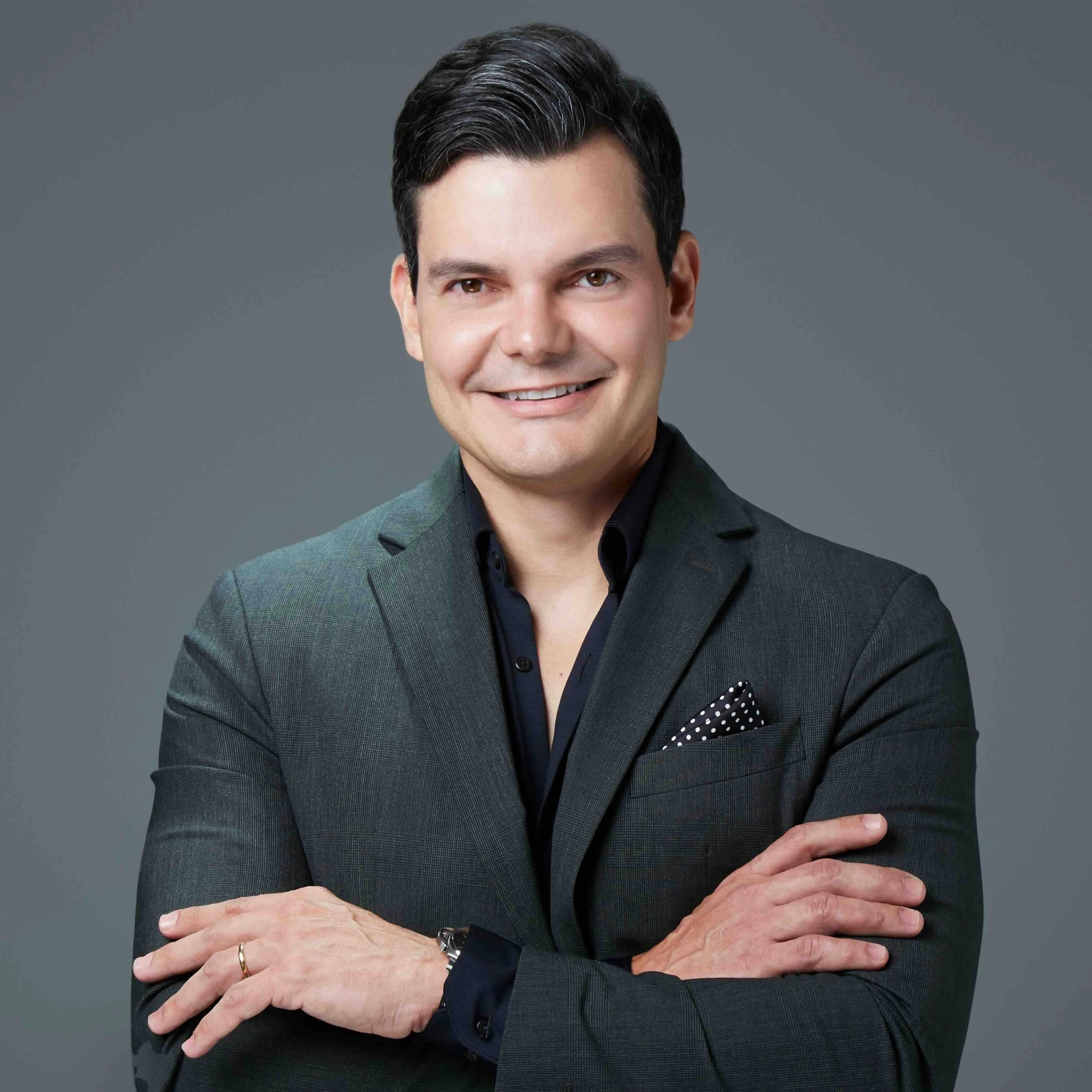
The nasolabial fold, popularly known as “smile lines” or “laugh lines”, is one of the expression lines that most bother men and women. It extends from the corner of the nose to the corner of the mouth and, over years, tends to deepen, giving an aged and tired look to the face.
In this complete article, Dr. Robério Brandão, creator of the Modern Face philosophy and specialist in facial rejuvenation techniques, will guide you through the causes, treatments, and, most importantly, effective surgical options to smooth the nasolabial fold and restore facial harmony.
What Causes the Nasolabial Fold?
The nasolabial fold does not appear overnight. It is the result of a combination of factors occurring over time:
Facial Volume Loss: With aging, facial support structures, such as fat pads, diminish and lose their projection. This causes skin to lose support and fold in the groove region.
Skin Sagging: Collagen and elastin production decreases with age, resulting in sagging and less elastic skin. This sagging contributes to fold deepening.
Facial Muscle Action: Repeated contraction of facial mimic muscles, such as zygomatic muscles (responsible for smiling), over years, marks skin in the fold region.
External Factors: Excessive sun exposure, smoking, and poor diet accelerate aging process and contribute to fold deepening.
Non-Surgical Treatments: A Temporary Solution?
There are several non-surgical options to smooth the nasolabial fold, but it is important to understand they offer temporary results and do not correct the underlying cause of the problem.
Hyaluronic Acid Filler: Filler is the most popular option. Hyaluronic acid is injected into the fold region to replace lost volume and smooth the line.
- Advantages: Minimally invasive procedure, immediate results, and relatively affordable cost.
- Disadvantages: Temporary results (6 to 18 months), need for reapplication, does not correct skin sagging, and can lead to an artificial look if over-applied.
Collagen Biostimulators: Substances like poly-L-lactic acid and calcium hydroxyapatite are injected to stimulate collagen production in skin, improving firmness and smoothing the fold.
- Advantages: Stimulates natural collagen production, longer-lasting results than filler (up to 2 years).
- Disadvantages: Gradual results, need for multiple sessions, does not correct skin sagging.
Thread Lifts: Absorbable threads are inserted into skin to pull and lift facial tissues, smoothing the fold.
- Advantages: Minimally invasive procedure, immediate results.
- Disadvantages: Temporary results (6 to 12 months), does not correct volume loss, and may present complications like thread extrusion.
Surgical Correction: Lasting and Natural Results
For lasting and natural results, surgical correction of the nasolabial fold is the most effective option. Surgical techniques aim to reposition facial tissues, correcting the underlying cause of the problem and restoring face harmony.
Facelift: The Classic Technique
The facelift, also known as rhytidectomy, is the most comprehensive surgical technique for facial rejuvenation. It allows repositioning facial tissues, smoothing the nasolabial fold, correcting skin sagging, and restoring facial contour.
- How It Works: The surgeon makes discreet incisions at hairline and around ear, lifts facial skin, and repositions deep structures, such as the SMAS (Superficial Musculoaponeurotic System). Excess skin is removed and incisions are closed.
- Advantages: Lasting results, correction of skin sagging and facial contour, improvement of nasolabial fold.
- Disadvantages: More invasive procedure, longer recovery time, risk of visible scars.
Direct Vision Endomidface: The Modern Face Approach
Direct Vision Endomidface is a minimally invasive technique created by Dr. Robério Brandão, within Modern Face philosophy, allowing midface repositioning, smoothing nasolabial fold, and restoring facial harmony with natural and lasting results.
- How It Works: The surgeon makes a small incision in temporal region (hidden in hair) and, with delicate instruments and direct vision (without need for endoscope), lifts and repositions midface tissues, including SMAS. The technique allows lifting cheeks, smoothing nasolabial fold, and improving facial contour.
- Advantages: Minimally invasive procedure, shorter recovery time, discreet scars, natural and lasting results.
- Disadvantages: Does not correct neck sagging and does not remove excess skin.
Attention: Direct Vision Endomidface is a technique requiring deep knowledge of facial anatomy and surgical skill. It is fundamental to seek a qualified and experienced plastic surgeon to perform procedure.
Deep Plane Facelift: A More Comprehensive Option
Deep Plane Facelift is a surgical technique aimed at repositioning facial structures in a deeper plane, below the SMAS. It is an effective option to correct skin sagging, smooth nasolabial fold, and restore facial contour with lasting results.
- How It Works: The surgeon makes incisions at hairline and around ear, lifts facial skin, and repositions deep structures, including SMAS and facial muscles. Excess skin is removed and incisions are closed.
- Advantages: Lasting results, correction of skin sagging and facial contour, significant improvement of nasolabial fold.
- Disadvantages: More invasive procedure, longer recovery time, risk of visible scars.
Endomidface vs Deep Plane: Which is the Best Option?
Choosing the best surgical technique to correct nasolabial fold depends on individual assessment of each patient. Dr. Robério Brandão, with his vast experience in facial surgery, will determine most appropriate technique for your case, considering:
- Degree of skin sagging: If sagging is mild to moderate, Endomidface may be sufficient. If sagging is more accentuated, Deep Plane may be more indicated.
- Presence of excess skin: If there is excess skin, Deep Plane may be necessary to remove excess and ensure a longer-lasting result.
- Patient expectations: It is fundamental to align patient expectations with results each technique can offer.
- Facial anatomy: Individual anatomy of each patient influences choice of surgical technique.
The Modern Face Philosophy: Natural and Lasting Rejuvenation
The Modern Face philosophy, created by Dr. Robério Brandão, seeks to offer facial rejuvenation results that are:
- Natural: Without artificial “stretched face” look.
- Lasting: Correcting underlying cause of aging.
- Safe: Minimizing surgical risks and complications.
- Personalized: Adapting technique to individual needs of each patient.
The Direct Vision Endomidface technique is one of tools used within Modern Face philosophy to achieve these goals.
Post-Operative Recovery: What to Expect?
Post-operative recovery from surgical correction of nasolabial fold varies according to technique used. In general, it is expected:
- Swelling and Bruising: Are common in first days after surgery and tend to decrease gradually.
- Pain: Controlled with analgesic medications.
- Incision Care: Follow surgeon’s guidelines to ensure good healing.
- Rest: Avoid intense physical activities and sun exposure for a determined period.
- Results: Final surgery results can be observed after a few months, with complete decrease of swelling and tissue accommodation.
Risks and Complications: What to Know?
Like any surgery, nasolabial fold correction presents potential risks and complications, such as:
- Hemorrhage: Rare, but may require surgical intervention.
- Infection: Controlled with antibiotics.
- Nerve Injury: Rare, but may cause changes in sensitivity or face movement.
- Visible Scars: May occur, but are minimized with appropriate surgical techniques.
- Facial Asymmetry: May occur, but is corrected with surgical touch-ups.
It is fundamental to discuss all risks and complications with Dr. Robério Brandão before deciding on surgery.
Find Your Modern Face
If you are bothered by the nasolabial fold and seek a lasting and natural solution, Modern Face can be the path to restore your beauty and self-confidence.
Frequently Asked Questions (FAQ)
What is the ideal age for nasolabial fold surgery?
There is no ideal age, but most patients seeking surgery are between 40 and 60 years old.
Does nasolabial fold surgery leave scars?
Yes, but scars are discreet and well-located. In Endomidface, incision is made in temporal region (hidden in hair). In Deep Plane, incisions are made around ear and at hairline.
Is it possible to combine nasolabial fold surgery with other procedures?
Yes, it is common to combine nasolabial fold surgery with other facial rejuvenation procedures, such as facelift, blepharoplasty, and fat grafting.
How much does nasolabial fold surgery cost?
Surgery cost varies according to technique used, surgeon’s experience, and region where procedure is performed. Schedule a consultation with Dr. Robério Brandão to get a personalized quote.
Anatomy Relevant to This Procedure
Anatomical knowledge is fundamental to understand how results are achieved safely and effectively.
Key Structures
The face is composed of layers that must be understood together:
- Skin: most superficial layer, reflecting aging through wrinkles and sagging
- Subcutaneous tissue: contains fat that redistributes with age
- SMAS (Superficial Musculoaponeurotic System): fundamental layer connecting muscles to skin
- Facial muscles: responsible for expression and dynamic support
- Retaining ligaments: anchor skin to facial skeleton
- Facial nerves: control movement and sensitivity
Surgical Planes
In Modern Face philosophy, we work in specific planes:
- Superficial plane: above SMAS, used in less invasive procedures
- Deep plane (sub-SMAS): below SMAS, allows longer-lasting results
- Subcutaneous plane: used for fat grafting and fat treatment
Why This Matters
Understanding anatomy explains:
- Why certain procedures last longer than others
- How natural results are achieved
- Why surgeon’s experience is crucial
- How complications can be avoided
“Respect for anatomy is what separates a natural result from an artificial one. In Modern Face, each structure has its role and must be preserved or repositioned with precision.” — Dr. Robério Brandão
Comparison: Techniques and Approaches
Understanding differences between available techniques helps in informed decision making.
Overview of Approaches
| Aspect | Traditional Techniques | Modern Face |
|---|---|---|
| Surgical plane | Generally superficial | Deep (sub-SMAS) |
| Pull vector | Predominantly lateral | Vertically anatomically correct |
| Incisions | Extensive, multiple areas | Minimal, strategically positioned |
| Recovery | 2-4 weeks | 7-14 days on average |
| Durability | 5-7 years | 10-15 years |
| Naturalness | Risk of “stretched” look | Preserves natural expression |
Advantages of Modern Approach
Modern Face technique offers specific benefits:
- More natural results: vertical vector respects facial anatomy
- Shorter recovery time: minimally invasive techniques accelerate healing
- Superior durability: work in deep plane offers longer-lasting support
- Less visible scars: strategic and smaller incisions
- Preservation of expressiveness: face remains natural and mobile
When Each Technique is Indicated
Choice of technique depends on individual factors:
- Degree of aging: more advanced cases may require more comprehensive approaches
- Areas of concern: midface, lower face or neck have specific techniques
- Patient expectations: balance between desired result and acceptable recovery
- History of previous procedures: revisions require special planning
Detailed Post-Operative Care
Procedure success depends as much on surgical technique as on post-operative care.
First Days: Critical Phase
In this phase, small cares make big difference:
- Elevated rest: keep head elevated at 30-45° even when sleeping
- Cold compresses: apply in first 48h to reduce edema
- Rigorous medication: follow exactly prescribed schedules
- Light diet: prefer soft foods and avoid excessive chewing
- Abundant hydration: water helps in tissue recovery
First Week: Intermediate Care
As healing advances:
- Careful hygiene: clean area as directed, without rubbing
- Avoid sun exposure: use hat and sunscreen when necessary to go out
- Gentle facial movements: avoid exaggerated expressions
- Adequate sleep: body recovers mainly during sleep
- Avoid alcohol and tobacco: both harm healing
Weeks 2-4: Gradual Return
Return to activities should be progressive:
- Light activities: short walks are allowed
- Remote work: can be resumed as per comfort
- Light makeup: generally allowed after 2 weeks
- Moderate exercises: only with medical clearance
- Lymphatic drainage: indicated to accelerate recovery
What to Avoid
During entire recovery period:
- Direct sun exposure on operated areas
- Intense physical activities before clearance
- Alcohol consumption in first 2 weeks
- Smoking (ideally stop 4 weeks before and after)
- Non-prescribed anti-inflammatories
- Sudden movements with face
Conclusion
The nasolabial fold can be smoothed with various surgical techniques, and Modern Face offers effective options to restore your beauty and self-confidence. Schedule a consultation with Dr. Robério Brandão and discover the path to a younger and more harmonious face.
Related Content
⚠️ Disclaimer
This content is educational and represents author’s technical opinion based on documented clinical experience. Surgical decisions must be individualized.
Author: Dr. Robério Brandão, CRM-CE 8596 Last update: January 2026