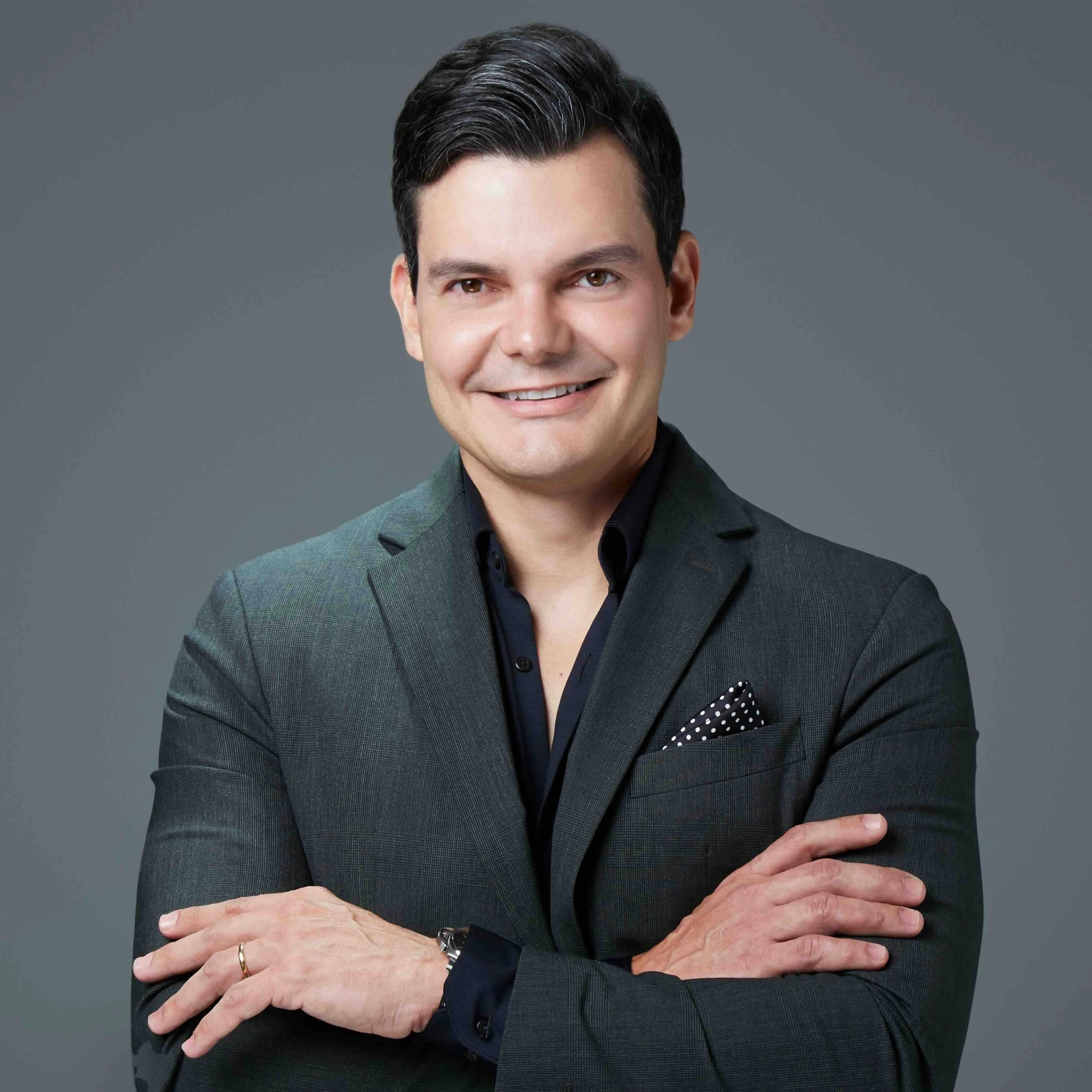
Facial surgery, driven by the relentless search for rejuvenation and harmony, has witnessed constant technological evolution. However, amidst a vast range of innovations, the fundamental question arises: which technologies really add value and which are just passing fads? This article, with Dr. Robério Brandão’s vision, explores the role of technology in facial surgery, critically analyzing what actually works to ensure safe, effective, and natural-looking results.
The Modern Face philosophy, developed by Dr. Robério, prioritizes surgical mastery, deep anatomical knowledge, and patient safety above all else. Instead of blind adherence to the latest technological trends, Modern Face proposes a judicious and individualized approach, where technology serves as a support tool, not as a substitute for the surgeon’s skill and experience.
The Promise of Technology: What Do We Expect?
Technology in facial surgery promises a series of benefits, including:
- Greater precision: Aid in visualizing complex anatomical structures, minimizing risk of damage.
- Less invasiveness: Minimally invasive techniques reducing surgical trauma and accelerating recovery.
- More predictable results: Enhanced surgical planning and 3D simulations to optimize results.
- Greater safety: Intraoperative monitoring and navigation systems to avoid complications.
- Enhanced visualization: Access to high-definition images and magnification features for better identification of anatomical structures.
However, it is crucial to critically examine if these promises translate into real benefits for the patient and the surgeon.
The Reality of Technology: What Delivers Value?
Not every technology available on the market contributes significantly to improving surgical results. Some technologies can be overly complex, high-cost, and with marginal effects.
It is essential that the surgeon adopts a critical stance and carefully evaluates each technology before incorporating it into their practice. The Modern Face philosophy offers a valuable framework for this evaluation:
- Safety: Does the technology increase patient safety? Does it reduce complication risks?
- Efficacy: Does the technology significantly improve surgical results?
- Cost-benefit: Is investment in technology justified by benefits it provides?
- Ease of use: Is the technology intuitive and easy to use? Does it really optimize surgeon’s workflow?
Technology that Adds Real Value
Based on these criteria, some technologies stand out for their positive impact on facial surgery:
- Ultrasound: Essential for precise mapping of biostimulators and other injectable substances, allowing safer and more effective surgical planning. According to Dr. Robério, ultrasound has become “mandatory” for Modern Face.
- Microcannulas: Allow precise infiltration of anesthetics and tumescent solutions, minimizing tissue trauma and bruising risk.
- High-frequency electric scalpel: Offers precise cutting and coagulation, reducing bleeding and surgical time.
- 3D imaging systems: Assist in surgical planning and result simulation, improving predictability and patient satisfaction.
The Trap of Technological Dependence
It is fundamental to avoid the trap of excessive dependence on technology, where surgeon’s skill is replaced by belief that sophisticated equipment guarantees success. According to Dr. Robério, “technique surpasses expensive equipment.”
The Modern Face Philosophy: Prioritizing the Essential
Modern Face proposes a return to facial surgery fundamentals, prioritizing:
- Deep anatomical knowledge: Detailed understanding of facial structures, their variations and interrelationships.
- Precise and refined surgical technique: Manual skill and mastery of surgical techniques.
- Individualized clinical reasoning: Careful evaluation of each patient, considering unique characteristics and specific goals.
- Direct Vision: Ability to work with precision and safety, prioritizing touch and direct vision of anatomical structures.
Pitanguy’s Legacy
Dr. Robério Brandão emphasizes importance of valuing legacy of Ivo Pitanguy, one of greatest plastic surgeons of all time. Pitanguy, even without modern technologies, achieved remarkable results through his technical mastery, anatomical knowledge, and artistic vision.
The Power of Direct Vision: A Silent Revolution
In a world dominated by screens and sophisticated equipment, Dr. Robério Brandão proposes a return to surgery essence: Direct Vision. This technique, dispensing with endoscopes and other visualization devices, allows surgeon to:
- Feel tissue texture: Identify anatomical planes and noble structures through touch.
- Visualize anatomy in its entirety: Have three-dimensional and comprehensive view of surgical field.
- Make decisions based on experience and knowledge: Trust own skill and intuition to guide procedure.
Tactile Navigation: The Modern Surgeon’s GPS
Direct Vision requires deep knowledge of facial anatomy and development of tactile navigation skills. Surgeon learns to identify bony landmarks and anatomical structures through touch, like a “GPS” guiding safely through facial labyrinth.
Ultrasound: The Treasure Map in Biostimulator Era
In a scenario where most patients have already undergone procedures with biostimulators, ultrasound became indispensable tool to map distribution of these substances and plan surgery safely. According to Dr. Robério, “ultrasound became the new stethoscope of facial surgery.”
Modern Deep Neck: Less Equipment, More Result
The Modern Face philosophy also applies to neck surgery, the Deep Neck. Dr. Robério Brandão demonstrates it is possible to obtain remarkable results without need to remove submandibular gland, a procedure traditionally associated with significant risks.
Instead, Modern Face prioritizes:
- Liposuction: Careful removal of excess superficial fat.
- Platysmaplasty: Treatment of platysma muscle to improve cervical contour.
- Glandular Suspension: Suspension techniques to reposition submandibular gland without removing it.
Anatomy Relevant to This Procedure
Anatomical knowledge is fundamental to understand how results are achieved safely and effectively.
Key Structures
The face is composed of layers that must be understood together:
- Skin: most superficial layer, reflecting aging through wrinkles and sagging
- Subcutaneous tissue: contains fat that redistributes with age
- SMAS (Superficial Musculoaponeurotic System): fundamental layer connecting muscles to skin
- Facial muscles: responsible for expression and dynamic support
- Retaining ligaments: anchor skin to facial skeleton
- Facial nerves: control movement and sensitivity
Surgical Planes
In Modern Face philosophy, we work in specific planes:
- Superficial plane: above SMAS, used in less invasive procedures
- Deep plane (sub-SMAS): below SMAS, allows longer-lasting results
- Subcutaneous plane: used for fat grafting and fat treatment
Why This Matters
Understanding anatomy explains:
- Why certain procedures last longer than others
- How natural results are achieved
- Why surgeon’s experience is crucial
- How complications can be avoided
“Respect for anatomy is what separates a natural result from an artificial one. In Modern Face, each structure has its role and must be preserved or repositioned with precision.” — Dr. Robério Brandão
Comparison: Techniques and Approaches
Understanding differences between available techniques helps in informed decision making.
Overview of Approaches
| Aspect | Traditional Techniques | Modern Face |
|---|---|---|
| Surgical plane | Generally superficial | Deep (sub-SMAS) |
| Pull vector | Predominantly lateral | Vertically anatomically correct |
| Incisions | Extensive, multiple areas | Minimal, strategically positioned |
| Recovery | 2-4 weeks | 7-14 days on average |
| Durability | 5-7 years | 10-15 years |
| Naturalness | Risk of “stretched” look | Preserves natural expression |
Advantages of Modern Approach
Modern Face technique offers specific benefits:
- More natural results: vertical vector respects facial anatomy
- Shorter recovery time: minimally invasive techniques accelerate healing
- Superior durability: work in deep plane offers longer-lasting support
- Less visible scars: strategic and smaller incisions
- Preservation of expressiveness: face remains natural and mobile
When Each Technique is Indicated
Choice of technique depends on individual factors:
- Degree of aging: more advanced cases may require more comprehensive approaches
- Areas of concern: midface, lower face or neck have specific techniques
- Patient expectations: balance between desired result and acceptable recovery
- History of previous procedures: revisions require special planning
Results and Statistics
Objective data helps establish realistic expectations about the procedure.
Durability of Results
Result longevity depends on multiple factors:
| Factor | Impact on Durability |
|---|---|
| Technique used | High — deep plane lasts longer |
| Skin quality | Moderate — firmer skin maintains better |
| Sun exposure | High — sun accelerates aging |
| Smoking | High — smoking harms significantly |
| Stable weight | Moderate — fluctuations affect result |
| Genetics | Moderate — individual predisposition |
Modern Face Clinical Series Data
- More than 1,000 facial surgeries without any irreversible motor nerve injury
- Average recovery time: 10-14 days
- Return to work: 7-10 days (average)
What to Expect Realistically
- Immediate: visible improvement, but with edema
- 30 days: result in development
- 90 days: almost definitive result
- 6 months: final stabilized result
“Numbers are important, but each face is unique. Statistics guide expectations, but individual planning determines result.” — Dr. Robério Brandão
Essential Questions in Consultation
A well-utilized consultation is fundamental for procedure success. Prepare yourself with right questions.
About Surgeon’s Experience
- “How many procedures similar to my case have you performed?” — Case volume is experience indicator
- “Can I see before and after photos of patients with characteristics similar to mine?” — Real results are best reference
- “What is your specific training in facial surgery?” — Specialization makes difference in results
About Proposed Technique
- “Why do you recommend this specific technique for my case?” — Understand clinical reasoning
- “What are the alternatives and why is this best option?” — Compare approaches
- “Where will scars be and how do they evolve over time?” — Realistic expectations
About Risks and Recovery
- “What are most common risks and how are they managed?” — Transparency is essential
- “How long will I be away from normal activities?” — Adequate planning
- “What type of anesthesia will be used?” — Anesthetic safety
- “What is post-operative follow-up protocol?” — Continuous support
Signs of Good Surgeon
- Answers your doubts clearly and patiently
- Shows real results from previous cases
- Discusses risks transparently
- Does not promise unrealistic results
- Has adequate team and structure
Conclusion: The Future of Facial Surgery
Technology has an important role to play in facial surgery, but should never replace surgeon’s expertise, deep anatomical knowledge, and patient safety. The Modern Face philosophy represents a promising path for a future of facial surgery:
- Safer: Reduced risk of complications and more predictable results.
- More effective: Natural and lasting results, focusing on structural rejuvenation.
- More accessible: Techniques that can be mastered by a larger number of surgeons, regardless of their purchasing power.
Dr. Robério Brandão, by challenging status quo and prioritizing surgical mastery above technological dependence, is paving way for a new era of facial surgery.
Frequently Asked Questions (FAQ)
Is endoscopy always necessary in facial surgeries?
No. The Modern Face philosophy prioritizes direct vision and tactile mastery, often dispensing with the need for endoscopic equipment.
Which technologies really make a difference in facial surgery?
Those that increase precision, reduce trauma, and improve safety, such as ultrasound for mapping biostimulators.
How does Modern Face balance technology and natural results?
Prioritizing anatomical knowledge and surgical technique, using technology as a support tool, not as a substitute for surgeon’s skill.
What are the risks of relying excessively on technology in facial surgery?
Increased costs, less surgeon autonomy, and false sense of safety, in addition to less natural results.
What is the role of ultrasound in Modern Face?
Precise mapping of biostimulators and anatomical structures, guiding surgery and minimizing risks.
What is ‘Direct Vision’ in facial surgery?
Surgical technique prioritizing direct vision of anatomical structures, eliminating need for video endoscopic equipment.
Related Content
- Endomidface: Complete Guide
- SMAS Anatomy: What Every Surgeon Needs to Know
- Deep Neck: How to Sculpt a Perfect Neck
⚠️ Disclaimer
This content is educational and represents author’s technical opinion based on documented clinical experience. Surgical decisions must be individualized.
Author: Dr. Robério Brandão, CRM-CE 8596 Last update: January 2026